Tierrechtspunk – Trackauswahl, Juli 2026

Image: Farangis G. Yegane Arani, Computer Grafics.

Tierrechtspunk – Trackauswahl (Juli 2026) / Animal Rights Punk

Webographie und Tonträgerverweise
Zusammengestellt im Juli 2026. Alle Onlinequellen zuletzt abgerufen am 10. Juli 2026.


Miriam Y. Arani: The photographs of the German Wehrmacht’s Propaganda Companies as sources on the events in occupied Poland 1939–1945

Jahrgang 12, Nr. 3, ISSN 2363-6513, Juni 2026

The photographs of the German Wehrmacht’s Propaganda Companies as sources on the events in occupied Poland 1939–1945

by Miriam Y. Arani

This text as a PDF

Originalquelle / Original Source:

Miriam Y. Arani: Die Fotografien der Propagandakompanien der deutschen Wehrmacht als Quellen zu den Ereignissen im besetzten Polen 1939–1945.
In: Zeitschrift für Ostmitteleuropa-Forschung (ZfO), Bd. 60, 2011, Heft 1, S. 1–49.

Erstveröffentlichung / Archivlink:
https://www.hsozkult.de/journal/id/zeitschriftenausgaben-6329

DOI / Volltext auf der Website der Zeitschrift:
https://doi.org/10.25627/20116019144

ZfO Online:
https://www.zfo-online.de/

Übersetzung aus dem Deutschen:
Gita Marta Yegane Arani.

Abstract

Photographs produced by the propaganda companies (Propagandakompanien, PK) of the German Wehrmacht have long shaped the visual memory of the Second World War. Often overlooked, however, is the fact that these images were created as instruments of psychological warfare. They served not only to glorify the German military as National Socialist war propaganda, but also to visually stigmatize, dehumanize, and discredit alleged or real “enemies” of the regime.

Research has shown that photographs produced by the propaganda companies were subject to systematic selection, censorship, and manipulation by both the Reich Ministry of Propaganda and the Wehrmacht High Command. This challenges the once widespread assumption that such images constituted a form of neutral or objective war reporting.

The propaganda companies operated on all fronts of the war, in occupied territories and within Germany itself. As visual records that closely followed the movements and activities of the German armed forces, the photographs produced in East Central Europe deserve particular attention. It was in these occupied regions – especially in Poland – that millions of civilians and soldiers lost their lives, including many victims of the Holocaust.

Focusing on the production, circulation, and historical context of propaganda photography in German-occupied Poland between 1939 and 1945, this article examines the ambivalent nature of these visual sources. On the one hand, the photographs reflect an intentional ideological iconography shaped by National Socialist propaganda; on the other, they remain important historical documents containing traces of the realities they sought to frame and control.

Tags: Propagandakompanien; Wehrmacht Photography; National Socialist Propaganda; Occupied Poland; Visual History; Holocaust Studies; Enemy Images; Second World War; Visual History; Holocaust Studies; Psychological Warfare

The photographs of the German Wehrmacht’s Propaganda Companies as sources on the events in occupied Poland 1939–1945

by Miriam Y. Arani

The photographs most frequently used to visually depict World War II in the press, in exhibitions, in academic and political publications, as well as in illustrated books, were produced by the Propaganda Companies [Propagandakompanien, PK] of the German Wehrmacht (Fig. 1) and were an integral part of the wartime propaganda of that era. A source-critical approach to photographs from World War II and German-occupied Europe remains the exception rather than the rule to this day, although these visual sources, too, require critical examination, analysis, and interpretation. [1] As was recently noted at a conference held by the Neuengamme Concentration Camp Memorial on images of National Socialist camps and ghettos, research on images produced under National Socialist rule still presents numerous gaps. The methodologically most important goal at present, to combine a careful critical analysis of pictorial sources with an examination of the aesthetic dimension and iconography, has so far only been rarely achieved. [2] The state of research specifically on photography under National Socialist rule does not differ significantly – particularly with regard to the relationship between empiricism and theory – from the German- and English-language state of research on the general history of photography, where empirically grounded, case-specific studies stand side by side, largely unmediated, with photographic theories that claim very broad applicability. [3] In the meantime, the source value of press photographs produced by the Propaganda Companies (PK) of the German Wehrmacht has become highly contested: on the one hand, it is being called into question more strongly [4]; on the other, it is being valued more highly than before in light of new perspectives – such as those related to urban and architectural history. [5] In contrast to the author’s monograph on the “Reichsgau Wartheland,” [6] which sought to typologically organize the various social uses of the medium of photography within an administrative unit of occupied Poland, the considerations presented here focus exclusively to the official government-directed and militarily organized visual reporting of the National Socialist state.

Fig. 1: German soldiers from a Propaganda Company in an open vehicle, Litzmannstadt (Łódź), 1941, Photographer: Zermin, PK 689 (BArch, Image 101I-133-0703-33/Zermin/CC-BY-SA)

Of the approximately three million photographic images produced by the PK, around 1.7 million have been preserved in various archives. The largest holdings are kept in the Federal Archives [Bundesarchiv] in the sub-collections Bild 101I (Army and Air Force), Bild 101II (Navy), and Bild 101III (Waffen-SS), as well as Bild 183 (Allgemeiner Deutscher Nachrichtendienst – Zentralbild). [7] In addition, there are the estates of individual PK photographers, such as that of Artur Grimm in the Image Archive of the Prussian Cultural Heritage Foundation. [8] The Propaganda Troops of the German Wehrmacht were deployed on all war fronts and in all occupied territories. To date, the PK photographs from the eastern theaters of war – where the genocidal dimension of National Socialism was most evident [9] and where not only military activity but also the loss of human life was greatest [10] – have not been systematically studied. Consequently, no monograph exists either on the approximately 25,000 PK photographs from occupied Poland or on those from other war and occupation zones in East-Central and Eastern Europe. The following section therefore summarizes research findings from the past decade on PK photographs, with a geographical focus on German-occupied Poland, in order to improve the conditions for their critical use as sources. At the same time, the aim is to substantiate the view that the visual message of PK photography cannot be understood in isolation from its context in which it was created. [11]

Various researchers have by now uncovered a complex network of administrative control processes governing the production and distribution of PK photographs, knowledge of which is indispensable for a more precise assessment of the source value of these visual mass sources of high transnational relevance. In addition to the question of what PK photographs can reveal about historical events themselves, a central issue is the messages conveyed by these images during the Second World War as part of the National Socialist regime’s psychological warfare.

Fig. 2: Major Hasso von Wedel, portrait photograph, November 1938, photographer: Stiehr. Contemporary caption: „Major von Wedel, der Leiter der Pressetruppe im Oberkommando der Wehrmacht, sprach am heutigen Mittwochabend (23.11.1938) im Schinkelsaal der Hochschule für Politik zu dem Thema ‚Aufbau der Wehrmacht‘“ [“Major von Wedel, head of the press corps at the Wehrmacht High Command, spoke this Wednesday evening (November 23, 1938) in the Schinkel Hall of the College of Politics on the topic ‘The Development of the Wehrmacht’”], (BArch, Image 146-2002-005-22A/Stiehr/ CC-BY-SA)

The description of the Propaganda Troops of the German Wehrmacht remained, for many decades, bound to the perspective of their former members. [12] Apart from Hasso von Wedel, the head of the Wehrmacht Propaganda Department (Fig. 2), former members of the Propaganda Companies (PK) published their memoirs and other texts after the Second World War. However, the value of these sources is limited due to their more or less explicit intention to absolve these organizations of any association with the ideology and crimes of the National Socialist state. [13] More detailed research over the past decade has shown that the PK photographers were not apolitical photojournalists forced to wear uniforms, as many of them claimed after the war; rather, it is likely that they deliberately perpetuated this myth. [14]

As Winfried Ranke already noted in 1992, many PK photographers identified with the war aims of the National Socialist regime and saw their work as an opportunity to advance their careers as press photographers with a view to the postwar period. [15] During the war and the destruction of Europe’s Jewish minority, they competed to see “their” photographs published in the German press – preferably on the cover of an illustrated magazine. It is therefore advisable, when dealing with all postwar statements by former PK photographers, to proceed from the following consideration as a working hypothesis:

“[…] as long as we do not have – instead of the self-justifications of a Hilmar Pabel or Gerhard Gronefeld, two of the many PK photographers who enjoyed successful postwar careers – evidence of dissent or subversive behavior within the Wehrmacht’s Propaganda Troops, we must assume that it was not journalistic craftsmanship and detachment from events, but rather a high degree of alignment with National Socialist ideology and propaganda that shaped the perspective of the German ‘photojournalists/image reporters.’” [16]

The instructions issued to PK photographers by the Reich Ministry of Public Enlightenment and Propaganda [Reichsministerium für Volksaufklärung und Propaganda, RMVP] and the Wehrmacht Propaganda Office of the Wehrmacht High Command [Oberkommando der Wehrmacht, OKW] – whose implementation can be verified through numerous written and visual sources – as well as the deliberate visual defamation of certain groups of people, refute Hasso von Wedel’s postwar claim that PK reporting from Poland was characterized by the utmost “objectivity” [17] and that Wehrmacht propaganda had offered “passive resistance” [18] to the NSDAP’s racial-ideological anti-Semitic propaganda. The organizational structure and purpose of the Propaganda Troops determined both the possibilities aswell as the limitations of the PK photography: its aim was not to document World War II neutrally, but rather to serve as a weapon in which this war had been psychologically waged. [19]

The photographs of the PK, as visual mass sources, cannot be adequately interpreted by either historical scholarship or art history alone, since these artifacts – unlike works of fine art – were intended to serve a mass-media communicative function, so that their “social meaning” must also be taken into account. [20] For these reasons, it makes sense to analyze and interpret the PK photographs as sources from an interdisciplinary perspective. [21] In order to describe and analyze their visual messages more precisely within the context of the “war of extermination”—conceived primarily in “racial-political” terms with regard to the East—it is necessary, beyond reconstructing the circumstances of their creation, to examine the contexts of their contemporary use in order to elucidate the “intended iconography” by the PK photographers. [22] This can be achieved through comparisons with products of the contemporary photographic publishing directed by the National Socialist regime on the one hand, and with PK photographs from other German-occupied territories and theaters of war on the other.

Organizational-historical overview

The beginnings of an – initially informal – cooperation between the RMVP, established by the NSDAP after it came to power, and the Reichswehr Ministry (as the predecessor institution of the OKW) date back to 1933. [23] In the period that followed, an alliance based on mutual interests developed between the OKW and the RMVP, ultimately leading to the establishment of the Propaganda Troops as a military organization. [24]

In the spring of 1938, Colonel General Wilhelm Keitel, Chief of the OKW, stated in a memorandum that it was among the “principles of the total war of the future” to unify military, propaganda, and economic warfare. [25] The National Socialist understanding of propaganda [26] had already been closely linked to the use of physical violence. [27] In the implementing regulations issued by the OKW on August 19, 1938, it was stipulated that the PK, as part of the signal troops [Nachrichtentruppen], were to be subordinate to the respective Army High Command [Armeeoberkommando, AOK], while receiving their directives regarding the content and form of reporting from the RMVP. [28]

The RMVP’s authority over the production of propaganda material was reaffirmed in the “Principles for the Conduct of Propaganda in War” [“Grundsätzen für die Führung der Propaganda im Kriege”] agreed upon between the RMVP and the OKW on September 27, 1938, [29] whereby the OKW, with the support of the RMVP, would solely organize the propaganda units: war reporting in all mass media, propaganda directed at the “enemy” [so-called combat and active propaganda, Kampf- und Aktivpropaganda; in den “Feind” hinein], and the “moral” support [“geistige” Betreuung] of its own troops. [30] To implement these principles, the OKW established the Wehrmacht Propaganda Department [Abteilung Wehrmacht propaganda, Abt. WPr] on April 1, 1939, which was responsible for military censorship during the war and for directing Wehrmacht reporting. As its commander Colonel Hasso von Wedel was appointed, who at the time explicitly supported Adolf Hitler’s political objectives and the indoctrination of the Wehrmacht with National Socialist ideology. [31]

In the period that followed, the RMVP determined the PK’s image production on three levels: through the selection of specialized personnel, through content-related instructions to the PK, and through subsequent political censorship of the visual material. [32]

By selecting the specialized personnel, the RMVP ensured its influence over their professionalism (in terms of technical quality expectations) and their political reliability (in terms of adherence to the NSDAP). In the summer of 1939, the WPr Department approved the recruitment of PK specialist personnel upon the recommendation of the RMVP [33] in coordination with the General Army Office [Allgemeines Heeresamt, AHA] of the Army High Command [Oberkommando des Heeres]. [34] This recruitment process has not yet been fully clarified in all its details. Recent research on the involved offices complements an earlier reconstruction of the procedure, which focused on the external, non-military offices that were involved. [35] Each military district command [Wehrkreiskommando] [36] received, via the AHA, a list of names of conscripted specialists in its command area, and proposed company commanders in consultation with the relevant Reich Propaganda Office [Reichspropagandaamt, RPA]. [37] The final decision regarding the commanding PK officers was made personally by Joseph Goebbels, acting on the recommendation of the WPr department. [38] As a result of this recruitment process, all PK photographers were subject to the “Editors’ Law” of October 4, 1933, under which any journalistic activity was considered a propaganda service for the National Socialist regime, and certain groups of people were completely barred from access to the press professions. [39]

The RMVP’s daily “press directives” [40] to the PK, which concerned, among other things, photographs to be taken, were announced at ministerial conferences [41] and, in some cases, also at the RMVP’s daily Reich press conferences, [42] which had been held since 1933. They prescribed the themes and overall direction of photographic reporting and were presumably forwarded via the RMVP’s Main Department for the Picture Press [Hauptreferat Bildpresse] to the responsible army offices. [43] A more precise reconstruction of the chain of command or transmission of orders is still lacking.

The RMVP had already deployed press photographers on a trial basis during military maneuvers in 1936 and 1937. [44] With an order dated August 16, 1938, the OKW established the first four of five PK units for the German invasion of the Sudetenland. [45] In the run-up to the invasion of Poland in September 1939, additional PK units were hastily formed. [46] In 1939, the standard strength of such a company was around 150 men, including at least four to seven press photographers. [47] Contemporary sources and postwar accounts contradict each other regarding the military rank of the PK photographers: According to the latter, PK photographers were classified as unserved personnel and given the rank of “Sonderführer”, which had been introduced as an expedient solution, whereby the publication of their photographs in the press was reportedly rewarded with a promotion to non-commissioned officer. [48] Contemporary written sources, however, indicate that PK journalists held the rank of non-commissioned officers, and that privileged “special correspondents” [“Sonderberichter”] even attained officer rank. [49]

When more than a million German soldiers invaded Poland on September 1, 1939, each branch of the armed forces had been assigned a PK. Five of the Army’s seven PK units, two war correspondent companies [Kriegsberichterkompanien] of the Luftwaffe, and one PK unit of the Navy entered Polish territory alongside the German armed forces. [50]

As early as 1939, the WPr Department in Potsdam established a training company, which was expanded in 1940 into the Propaganda Replacement Unit [Propaganda-Ersatz-Abteilung, PEA]. Propaganda units from allied nations (Finland, Italy, Hungary, Romania, and Bulgaria) were also trained in this training and replacement unit. [51]

During the Wehrmacht’s invasion of the Soviet Union in June 1941, thirteen PK units from the Army, four from the Luftwaffe, two half-companies from the Navy, and three SS Propaganda Companies [PK] were deployed. [52] By 1942, the Propaganda Troops numbered a total of nearly 15,000 men. [53] Now, even Panzer Groups that had not previously been assigned a PK were given their own war correspondents. [54] As a result of the German military’s setbacks on the fronts in the winter of 1941–42, the primary focus of the Army’s PK gradually shifted toward combat, or active propaganda, as well as troop support. The companies were reorganized and reduced in size due to the losses incurred. While in January 1943 about three-quarters of the PK staff were still engaged in war reporting, the number of these employees decreased in the following months to either two writers and one photographer per unit, or they were consolidated into Army War Correspondent Units [Heereskriegsberichterstatterzügen, HKBZ] attached to the Army Groups [Heeresgruppen]. [55]

In 1942, the WPr Department employed approximately 300 staff members [56] and was elevated in 1942–43 to the WPr Office of the Wehrmacht Command Staff [WPr des Wehrmachtsführungsstabs, WFSt]. The Propaganda Troops were now declared an independent branch of weaponry within the Wehrmacht. Hasso von Wedel had himself promoted to major general and head of the Propaganda Troops, and moved with a small group of staff to the Führer’s headquarters to join Adolf Hitler and the OKW leadership. He had his deputy commander, Colonel Rolf Kratzer, take charge of the WPr office in Berlin. [57] The approximately 15 remaining Wehrmacht war correspondent units [Kriegsberichterzüge, KBZ] at the end of 1944, comprising some 450 men, were ultimately placed under the command of a “War Correspondent Division” [Kriegsberichter-Abteilung, KBA]. [58]

This overview of organizational history shows that the Propaganda Troops were expanded and then reduced in response to the course of the war – particularly in connection with the war against the Soviet Union – while von Wedel became increasingly detached from the everyday experiences of his subordinates. This shortcoming in responsible leadership ultimately also affected relations with the SS, since the WPr Department or Office, that is: von Wedel, was also responsible for the organization and command of the SS Propaganda Companies [SS-Propaganda-Kompanien, SS-PK] that had been established in early 1940. It started out as a single company, which – as the war progressed and the Waffen-SS expanded – grew into an entire regiment known as the “SS-Standarte Kurt Eggers,” which significantly increased its influence within the WPr office toward the end of the war. [59]

From what is currently known, the assignments given by the WPr department or office to the PK photographers had a slightly different focus than those given by the RMVP and were primarily intended to enhance the Army’s reputation. However, in terms of their aesthetic and ideological requirements for photographers, the assignments issued by this agency did not differ from those of the RMVP. [60] Moreover, the military censorship carried out by the WPr was not conducted in opposition to, but rather in line with the RMVP’s prohibitions and guidelines regarding visual depictions. It prevented the disclosure of military secrets while also controlling the fields of reporting, as censorship officers were constantly informed about what urgently should be made public, what should be reported only in a veiled manner, and what should not be made public at all. [61]

Fig. 3: This staged photograph, featuring German soldiers, was taken at the border between the city of Danzig, governed by the NSDAP, and the Polish city of Sopot. It conveys the deceptive impression of a nonviolent German incursion into Poland. Caption from the ADN-Zentralbild (GDR):

„II. Weltkrieg 1939-45. Überfall der faschistischen deutschen Wehrmacht auf Polen am 1.9.1939. Soldaten zerstören den Schlagbaum an der deutsch- polnischen Grenze in der Nähe von Danzig.“ [“World War II, 1939–45. Invasion of Poland by the fascist German Wehrmacht on September 1, 1939. Soldiers destroy the barrier at the German-Polish border near Danzig.”] Photographer: Hans Sönnke, Danzig (BArch, Image 183-51909-0003/Sönnke/CC-BY-SA)]

However, it would be insufficient to view PK photography in isolation from the media landscape in the occupied territories, which has been transformed by military operations. Through the cooperation between the OKW and the RMVP, the National Socialist regime exerted complete control over the production and distribution of press photographs in the occupied territory by having the Wehrmacht prohibit all journalists not authorized by the OKW and the RMVP from entering the territory occupied by the Wehrmacht, [62] and only the photographs taken by PK photojournalists – and, in isolated cases, those by civilian photographers [63] (Fig. 3) – were forwarded for publication via the WPr Department and the RMVP. In September 1939, within just a few days, the photographs taken by the PK photographers – along with other media products by the Propaganda Troops – became the most important source of information for the German population about the war and the countries occupied by the Wehrmacht; all news media in the territories under National Socialist rule were required to use their material. [64] Polish press photographers in the occupied territory were largely impeded from practicing their profession, and in the summer of 1941, Poles were also prohibited from owning or using cameras for personal use. [65]

From the creation of a PK photograph to its publication

From its creation to its publication, a PK photograph underwent a production and distribution process involving a high degree of division of labor. Although PK photographs were primarily intended for current war reporting, their creators also sought to produce sources for future historiography. [66] For this reason, “service prints” [“Dienstabzüge”] of the photographs delivered by the PK to the RMVP’s Main Press Photo Department [RMVP-Hauptreferat Bildpresse] were recorded, organized, and stored in a “Reich Photo Archive” [“Reichsbildarchiv”]. [67]

As far as it has been possible to reconstruct, the production and distribution process for the PK photographs proceeded as follows: First, RMVP and WPr agreed on which topics should be presented to the public and how; in doing so, they took into account requests from third parties to an extent that cannot yet be determined. Instructions were then issued to the PK [68], which often consisted of image themes formulated in the form of keywords. Sometimes the PK photographers received more specific guidelines regarding the composition of the images. For example, a work assignment to PK photographer Schwahn (PK 689) dated September 8, 1939, read: “Not too many details, large figures; a simple composition of the image is crucial for the print result. Cover page! One to two people with milieu as a background.” [69] In some cases, the RMVP and WPr specifically commissioned certain photographers. [70] In September 1939, for example, the RMVP requested the services of the PK photographers Schwahn, Ehlert, and Borchert. [71] In November 1939, the WPr department specifically requested the press photographer Gerhard Gronefeld, who was again specifically commissioned in June 1941 during the invasion of the Soviet Union to take pictures of victims of the Soviet secret service, the NKVD. [72]

The photographers apparently competed with one another within the PK in such a way that some boasted of taking candid shots, while others staged the subjects to achieve optimal results in line with their clients’ expectations. This possible interpretation is at least suggested by the following statement in the mission report of the PK 637 from October 14, 1939:

“The photo reports by Special Guide [Sonderführer] [Hans] Wagner, [Eitel] Lange, and [Friedrich Anton] Bögner are in part inauthentic, as they are staged. They would likely not stand up to comparison, for example, with the photo reports by non-commissioned officer [Otto] Lanziger from Warsaw.” [73]

A company order from the PK 612 dated January 18, 1940, presented the “staging” of the photographs to be taken as a matter of course:

“The photo report is not the accidental result of a photo-reporting assignment, but requires prior consideration and a mental plan of the shots to be taken. Directing the action by bringing about certain procedures will often be necessary to produce a photo report. However, it is essential to ensure that the main requirement of a photo report is liveliness. Staged and ‘lifeless’ shots destroy the publication [publizistischen] effect of the photo report.” [74]

Not all PK photographs were staged in this way, but the distortion of the actual circumstances encountered by a photographer could also be achieved without physically intervening in the encountered situation, by employing means of image-creation and design [bildgestalterischer Mittel]. The former PK photographer Georg Schmidt-Scheeder [75] described how he photographically solved an assignment that did not correspond with the encountered visible reality, in order to deliver the image he was asked to provide: The RMVP demanded photographs of as many British prisoners of war as possible, yet in Dunkirk he found himself mainly confronted with French prisoners. Therefore, he photographed a few British soldiers full-frame in the foreground and allowed the mass of French prisoners of war to appear indistinctly in the background of the image. [76] A PK photo from Warsaw (Fig. 4) is composed in a similar way, placing a military band of the German Wehrmacht in the foreground and middle ground of the image, so that the numerous people in the background on the right appear, at a quick glance, to be part of the military parade. Upon closer inspection, they are likely Polish civilians watching the military parade from behind a barrier formed by German soldiers in uniform.

Fig. 4: Military band at a German military parade in Warsaw, ca. September/October 1939, Photographer: Schulze, PK 501 (BArch, Image 101I-001-0251-12/ Schulze/CC-BY-SA)

Since each PK unit was required to submit at least one series of photographs [77] consisting of six to ten shots and 50 individual photographs per week, they recorded how much photographic material they had produced in their war diaries. [78] The PK photographers generally used Leica III and Contax III cameras; in rare cases, they also used Plaubel Makina or Zeiss Ikon Super Ikonta cameras, and primarily produced black-and-white negative photographs in the 24 x 36 mm format. [79] The exposed film was developed in the “processing unit” [„Auswertezug“] at the PK’s location, and a selection of the images was enlarged as prints – mostly in the standard press photo format of 13 x 18 cm. This selection of PK images, printed on photographic paper, was then affixed to the back with “image notes” [“Bildbegleitzetteln”] (Figs. 5 and 6).

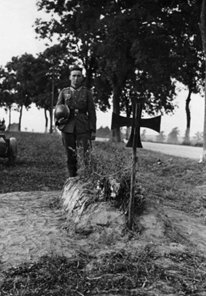
Fig. 5 (left, front) and Fig. 6 (right, back):

German soldier with his steel helmet taken off, standing in front of a soldier’s grave marked with an Iron Cross. On the back of the paper print of the PK photograph is a pre-printed caption slip with typewritten entries and approval stamps from the Wpr Department of the OKW and the Main Photo Press Office [Hauptreferat Bildpresse] of the RMVP. Contemporary caption: “Soldier’s grave near Crone. One of the first victims of the German advance into Poland. By the roadside lies the grave of a German combat engineer who gave his life for the Führer and the Volk on September 2.” [„Soldatengrab vor Crone. Eines der ersten Opfer des deutschen Vormarsches in Polen. Am Wegesrand liegt das Grab eines deutschen Pioniers, der am 2. September für Führer und Volk sein Leben ließ.“] September 6, 1939, Photographer: Heinz Boesig, PK 689 (Front: BArch, Image 183-2008-0415-507/CC-BY-SA; Back: BArch, Image 183-2008-0415-507/CC-BY-SA)

These slips differed in color depending on their intended use: PK prints “for official use only” [„nur für den Dienstgebrauch“] were to be accompanied by yellow slips, while those for press use were to be accompanied by white “Bildbegleitzetteln”. [80] The slips were to contain the following information: the photographer’s name, the location and time the photo was taken, and details about the image’s content. [81] Apparently, during the invasion of Poland, the PK photographers often submitted their prints with insufficient captions. This is suggested by repeated requests from the WPr Department to the censorship officers, such as the following one dated October 13, 1939: “All image material is to be censored and approved only if it includes a caption (explanation of the image). This will ensure that Bildberichter provide proper captions.” [82]

The PK paper prints, which were provided with sufficiently labeled “caption slips” were then subjected to military censorship. [83] This task was carried out by officers seconded from WPr Department III, who received their instructions directly from the OKW/WPr in Berlin and from the Staff Officer Ic (Enemy Reconnaissance and Counterintelligence, “Feindaufklärung und Abwehr”) of their respective army headquarters. The military censorship primarily ensured that all information regarding operational command, armaments factories, friendly casualties, and the supply situation was excluded. [84] After being cleared by the military censorship, the PK photo prints were stamped on the back with the abbreviation “Fr. OKW” (Fig. 6). [85]

The photos were then sent by courier to the RMVP in Berlin, where staff from the Press Photo Department [Bildpresse-Referat] carried out political censorship. [86] There, the PK press photo prints were stamped on the back with an approval stamp [Freigabestempel] that included a space for a date to be entered by hand (see Fig. 6: Stamp under “Fr. OKW”). If an image was not approved, this did not necessarily result in a permanent ban; it could also have been temporarily blocked for reasons related to current daily events. [87]

Once approved by the political censorship, the Photo Press Department [Bildpresse-Referat] forwarded the press prints of the PK photographs to the oligopoly of officially licensed, previously “Aryanized” photo news agencies [Bildnachtrichtenbüros], which then distributed them both domestically and abroad. [88] The “image caption labels” [“Bildbegleitzettel”] of the PK photos published by the photo news agencies [Bildnachrichtenbüros] were structured somewhat differently in terms of content than the labels for the prints produced by the PK itself. [89] They also differed in color to indicate different purposes: In addition to white accompanying labels for standard press usage, red “image labels” [“Bildbegleitzettel”] were also in use; these were intended for photo reports “whose publication is a priority” and which were to be printed “in a prominent position.” [90] A red “caption label” [“Bildbegleitzettel”] was attached for example to the press print of a PK photograph which shows dead bodies near Bromberg (Bydgoszcz) presented to foreign journalists during a press tour organized by the RMVP on September 7, 1939. [91]

The direct transfer of PK photos to newspaper and magazine publishers had been expressly prohibited in September 1939. [92] PK photographers did not receive a share of the proceeds from the sale of PK photographic material; instead, these proceeds were credited to a “Dr. Goebbels Fund.” [93] This circumstance may be the decisive reason why some of the most prominent PK photographers did not submit all of their photographs through official channels. [94] Various pieces of evidence and circumstantial evidence also suggest that quite a few PK photographers produced photographs and prints for private purposes, for example as gifts for superiors or the soldiers depicted. [95]

The PK photos reached the widest audience through the German press. Of particular note is their use in illustrated magazines and nearly 40 Wehrmacht field newspapers, [96] since during the war almost all men in the middle age groups – and later also teenagers and older men – were drafted into the military. PK photos were also used for posters, leaflets, and wall newspapers in the occupied territories [97] and distributed as picture postcards. [98] Numerous books published in 1939-40 following the end of the combat operations in Poland and illustrated with PK photos were also aimed at a wider audience. [99] Among the contemporary types of publications is also a lavishly illustrated pictorial book on the “Polish Campaign”, co-edited by Hasso von Wedel, containing 100 black-and-white stereoscopic photographs that, when viewed through the enclosed Raumbildbrille/3D glasses, were meant to convey a three-dimensional visual impression of the combat operations of 1939. [100] Press photographs from the “Polish Campaign” were also presented to smaller audiences in exhibitions [101] that sought to elevate the press images produced within military chains of command to the status of art.

The photographs of the combat operations in Poland published in the German press were by no means as reliable as they claimed to be. On November 24, 1939, the WPr Department informed its censorship officers that photographs of pre-war military exercises were being used to illustrate current military operations. [102] Sometimes, positive retouching [103] was also used to alter the content of a PK photo. A prime example of this is a photograph from the “Polish Campaign” of 1939 taken by PK photographer Sturm of the Luftwaffe War Correspondents Company 4, which depicts two PK men at work as war correspondents [“Kriegsberichter”]. [104] This image was published several times by Deutscher Verlag (formerly Ullstein-Verlag) starting in 1940, with a heavily retouched background: The image, dramatized with bright, blazing flames added later behind the two war correspondents, adorned among other places the cover of the first issue of the magazine Signal in 1940, which was intended to promote the German Wehrmacht in occupied, allied, and neutral countries abroad. [105]

PK photographs were also used in the German press directed at the Polish public. [106] The general tone of the Polish-language occupation press was that Poland’s defeat was final and that the power of Germany and its Wehrmacht was insurmountable. At the same time, attention was deliberately directed toward certain “enemies”: Jews in general, primarily England in 1939–40, and, from 1941 onward, chiefly the Soviet Union. [107] As in the former German Reich, daily newspapers in occupied Poland usually only printed a few PK photos. Their primary purpose was to illustrate the Wehrmacht’s successful advances on the battlefronts. PK photos were regularly used in larger quantities mainly in illustrated magazines. Several German-language illustrated magazines were published in Polish in the General Government. [108] The Ilustrowany Kurier Codzienny, [109] produced in Kraków by what was then Poland’s largest and most modern press enterprise, was appropriated by the German “Zeitungsverlag Krakau-Warschau GmbH” [110] in the course of the dismantling of the Polish press system [111]. In accordance with directives issued by the Main Department for Public Enlightenment and Propaganda [“Hauptabteilung Volksaufklärung und Propaganda”] in the General Government [112], its publications were intended to influence the Polish population intellectually and emotionally in line with the aims of the National Socialist regime. To give the appearance of continuity, the newspaper initially continued to appear under its former title [113] after Polish staff had been replaced with German managerial and journalistic personnel, and was then renamed to Ilustrowany Kurjer Polski (IKP) [114]. The editorial staff, consisting of German journalists who spoke Polish, used PK photographs supplied by the press services [Pressediensten] [115] of the Main Department for Public Enlightenment and Propaganda [Hauptabteilung für Volksaufklärung und Propaganda] in Kraków. The IKP also used PK photographs as elements in photomontages (Fig. 7).

Fig. 7: IKP, Vol. 3, No. 25, 12 June 1942, front page (photomontage)

The IKP used the PK’s photographs for its visual coverage of the war and for anti-Soviet propaganda with anti-Semitic undertones. [116] Although the IKP consistently defamed Jews, photographic depictions of Jews in occupied Poland were a rare exception in this publication. [117] In comparison, starting in 1941, some of the Americans who were frequently depicted in the IKP, on the one hand [118], and Soviet citizens, on the other, were regularly portrayed as “Jews.” [119] An examination of all issues [120] of the IKP led to the conclusion that – to an increasing extent starting in 1941 – up to about three pages per issue contained PK photos, the origin of which, however, was concealed from the readership. [121] Instead, named as image suppliers were the firms belonging to Berlin’s oligopoly of “Aryanized” photo agencies (Atlantic, P.B.Z., Scherl, Weltbild), the firm Presse-Illustrationen Heinrich Hoffmann, and, above all, Associated Press, thereby creating the impression that the photographs had originated from an American source.

Fig. 8: IKP, Vol. 2, No. 30, July 27, 1941, pp. 4–5. Title of the two-page photomontage, “To była linia Stalina,” printed in red on a two-color (red-green) background

In the IKP of July 27, 1941 (Fig. 8), a two-page spread was intended to illustrate the Wehrmacht’s advance into Soviet territory. The upper half of this double-page spread consists of a montage of three press photos – in the tradition of battle paintings – depicting the positions of German soldiers; these photos were retouched to link them together and enhance the drama. The German soldiers are depicted from behind, to give viewers the impression that they themselves are eyewitnesses to the events at the front. To illustrate the Wehrmacht’s air raids on “the enemy,” cutouts of airplanes were inserted into the sky at the top of the image. The transitions between the soldiers fighting on the ground and the aircraft in the sky were connected – especially on the left side – by clouds of smoke that were partly photographed and partly retouched into the image later. The horizon line outlined in the smoke was captioned in red, hatched capital letters: “That was the Stalin Line!” [„Das war die Stalin-Linie!“]

The cropping of a propagandistically significant image element in the IKP layout also played a key role in visually conveying the image of the enemy by directing the viewer’s attention to a specific focal point. In wartime propaganda, this occurred within the context of visual tropes that had already been employed in National Socialist visual propaganda of the 1930s, [122] including the visually contrasting juxtaposition of a national socialist group, identifiable by certain external characteristics (“cleanliness,” “uniformity” in movement and dress), and their “enemies.” This visual motif was also used to a limited extent in anti-Polish visual propaganda in 1940. [123] In the context of the invasion of the Soviet Union, this visual motif was used not only in the Berliner Illustrirten Zeitung, [124] but also in the IKP, primarily to portray Soviet soldiers and civilians in a derogatory way. Soviet citizens, who were portrayed as “unclean” or even “animalistic” [125], were visually contrasted with “clean” Germans, with the latter intended to appear not only technically but also “racially” superior. In the case of the Soviet Union, this iconography can also be traced back to the “Guidelines for Anti-Bolshevik Propaganda”, [126] issued as early as 1937, and an order from Propaganda Minister Goebbels dated July 5, 1941, which stated:

“A well-chosen selection of images – in which the animalistic [“vertierten”] Bolshevik types are contrasted with the free and open gaze of the German worker, the filthy Soviet barracks with German workers’ housing estates, the muddy, unpaved paths with German imperial highways [Reichsstraßen], and so on […] – is of great importance in this context.” [127]

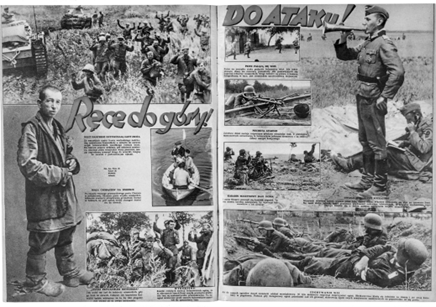
Fig. 9: IKP, Vol. 2, No. 38, Sept. 21, 1941, pp. 4–5. Headings
“Ręce do gory!” and “Do ataku!” in red on a black-and-white background

In this context, one should also note a double-page spread in the IKP (Fig. 9), which, on the left-hand page under the headline “Hands up!” [Ręce do góry!], features a compilation of photographs of surrendering Soviet prisoners of war, while the right-hand page, titled “To the attack!” [Do Ataku!], shows German soldiers during their offensive operations. On the outer edge of the left side is a civilian dressed in rags; based on the caption [128] he is a Soviet Jew captured by the Wehrmacht. [129] The large scale of this “miserable” figure distracts viewers’ attention from the fact that all the other photographs on this page show Soviet soldiers who are not dressed in rags. The IKP editorial team cited the following image providers: Associated Press, Atlantic, Scherl, and Weltbild. However, it is almost certain that these are exclusively PK photos. However, the origin of the visual material can be traced in detail only in rare, isolated cases. Nevertheless, the cropped image on the left of a “deterrent” Jew can undoubtedly be traced back to a photograph by PK photographer Schneider, published on September 3, 1941, by the Scherl company and held in the image archive of the Main Department of Public Enlightenment and Propaganda [Hauptabteilung Volksaufklärung und Propaganda] (Figs. 10 and 11).

Fig. 10 (left, front) and Fig. 11 (right, back):

A pauperly dressed civilian with short-cropped hair standing in front of a wooden wall. A press photo print measuring 18 x 13 cm on silver gelatin paper with a high-gloss finish. On the back is a white “photo caption sheet” [“Bildbegleitzettel”] for press use, containing typewritten information from the Scherl company in Berlin. It indicates that the photograph was taken by PK photographer Schneider and published by Scherl on September 3, 1941. Below the “Bildbegleitzettel” is a stamp from the “Government of the General Government – Propaganda Department” [“Regierung des Generalgouvernements – Hauptabteilung Propaganda”] and the handwritten note “B III 14 Soviet People” [“B III 14 Sowjetmenschen”], which is presumably the signature of the image archive of the Propaganda Department [Hauptabteilung Propaganda] in Krakow. In the lower right corner is a stamp from “Ilustrowany Kurjer Polski – REDAKCJA.” The handwritten notes “38/4/2 – 12.8 x 28” referred to the subsequent graphic processing steps for the publication of the image in the IKP (private collection)

For publication in the IKP, the background of the image was cropped out to make the central subject “stand out” for a montage. Any sympathy that might arise when viewing an “enemy” was prevented by a caption that imposed a negative interpretation of what was visible. This example illustrates the creative approach taken by the IKP’s photo editorial team. However, the way in which the PK photographers themselves visually constructed such enemy stereotypes can only be demonstrated through longer sequences of photographs. [130]

Another visual trope used by the RMVP in both German- and Polish-language “anti-Bolshevik” propaganda during the war was the depiction of the “enemies” from the East as a “mass” [a crowd] and as “types.” [131] In particular, the presentation of certain facial features against the backdrop of previously popularized racial-ideological standards of beauty [132] was intended to evoke revulsion in viewers. Both forms of visual representation of the “enemy” are combined in a photomontage that served as the cover image of the IKP on June 21, 1942 (Fig. 7). The source of the individual images used in this montage was not specified, but in this case as well, it can be assumed that PK photos served as the source material, since there is no evidence of other photographers being active on the German-Soviet front. The contemporary caption for this montage read: “With the help of such hordes, Stalin sought to dominate Europe, and Roosevelt and Churchill viewed this plan as ‘encouraging.’” [133] The term “horde” [“Horde”] is of central importance here, as National Socialist photojournalism sought to illustrate the “racial” inferiority of the Red Army through a repeated visual emphasis on the “Asian” soldiers (Fig. 12). [134]

Fig. 12: IKP, Vol. 3, No. 40, October 4, 1940, back cover of the issue

The visual portrayal of the Soviet military thereby created an anti-Semitic, anti-Bolshevik distortion that aimed to erase from the public consciousness the Poles, Balts, Ukrainians, Belarusians, and Russians who were fighting on the Soviet side against the Wehrmacht or who had become the civilian victims of the German invasion. [135] This becomes clearer when comparing complete sequences of photographs taken by PK photographers with the contemporary photojournalism [zeitgenössischen Fotopublizistik] of the time. The publications from that era document the contemporary visual meanings intended by the client who commissioned these photographs. This “intended iconography” [“beabsichtigte Ikonografie“] was based on the charge of “racial mixing” that the German Reich – invoking a völkisch ideology – had employed from the very beginning to legitimize the persecution, violent harassment, and disenfranchisement of certain groups of people. Before the war began, this primarily affected “Jews”; from 1939 onward, it also affected Poles, and from 1941 onward, the Soviet Union. A hallmark of the iconography of National Socialist visual propaganda directed against the multi-ethnic societies of Eastern Europe during World War II – into which the PK’s photojournalism [PK-Bildberichterstattung] was organizationally integrated – was the regular (indirect or direct) juxtaposition of a “völkisch” idealized self-image and a “racially” demonized image of the other.

On the spectrum of themes regarding PK photographs taken in Poland, with a close focus on the Holocaust

The primary purpose of the PK was to produce war propaganda glorifying the Wehrmacht. [136] The subjects depicted in the PK photographs from occupied Poland are linked not only to the course of the war and the glorification of war but also to the propagandistic objectives of the NSDAP as the state party. The preceding account of how reporting was organized and the procedures in place at the time regarding the PK images makes clear just how significant the German-Soviet conflict was, on the one hand, for the course of the war, and on the other, for the nature of Nazi visual motifs that were now being used on a transnational scale. The main adversary during the war on the Eastern Front was the Soviet Union, which, however, could not ultimately be defeated. The PK photographs taken in occupied Poland must also be understood within this context, particularly with regard to the periods in which they were created. Given the limitations of this framework, it is impossible to provide even a rough overview of all the image themes; therefore, only a few central thematic areas of PK photography and previously unexplored possibilities for their analysis and interpretation will be outlined.

The PK photos of the combat operations in Poland and their immediate consequences focus on September 1939 and the period from mid-1944 to early 1945. They depict German soldiers and their weapons, destroyed Polish military equipment, Polish prisoners of war and civilians, captured Polish cities, and fallen Polish soldiers. [137] Some visual objects that could have contributed to a realistic photographic depiction of the war were completely excluded. This applies in particular to German military casualties: fallen soldiers were to be depicted only in the form of soldiers’ graves (Fig. 5). [138] PK reporting consistently heroized German soldiers and officers. [139] Numerous PK photographs served to showcase the commanders and honor ordinary soldiers. [140] Since the PK units were deployed in consultation with the army staffs, the latter were able to influence the subject matter of the photographs to a limited extent.

The German soldiers who invaded Poland in September 1939 were portrayed as “liberators” of persecuted “Volksdeutscher” [“ethnic Germans”]. [141] This, combined with the claim that England had provoked the war, served as a moral justification for the invasion of Poland. [142]

To reinforce the propaganda message that this was not a war of aggression but a war of defense, the National Socialist leadership ordered that alleged Polish atrocities in and around Bromberg be “highly publicized” using shocking photographs from the PK 689 [143] showing dead civilians. [144]

On October 24, the RMVP issued a directive governing the portrayal of Poland in the German press following the end of German military administration (October 26, 1939). This order, which was given orally to German journalists during the Reich Press Conference [Reichspressekonferenz], has been preserved in two differently worded written versions. [145]

It must “be ensured that the current aversion to all things Polish is maintained for years to come. This aversion must evolve from a latent to a conscious one. Racial infiltration must be prevented. Poland is Subhumanity. Poles, Jews, and Gypsies must be mentioned in the same breath. There is to be no social or any other interaction with the Poles. A Pole is something impure that one does not concern oneself with. We will have to tolerate the Polish farm laborer among us for years to come, but we will isolate him as much as possible. […] Everything that is considered proper in Poland has German roots, including the culture. The idea that Poles are a subhuman race must become a ‘part of the subconscious’ [‘ein Bestand des Unterbewusstseins werden’] Reporting on the occupied territory is to be handled as part of the German living and cultural space.” [146]

This characterization of Polish citizens as “subhumans” in the form of “Poles”, “Jews”, and “Gypsies” was aimed at the long-term indoctrination of German society with ethnic and racial indoctrination [volkstums- und rassenideologische Indoktrination]. [147]

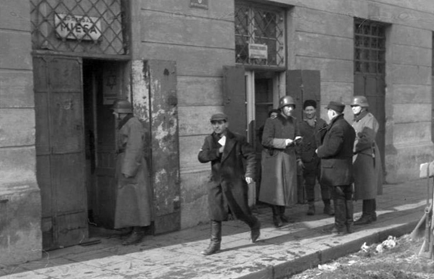
Starting in the spring of 1940, events in occupied Poland barely played a role in the German mass media due to the wars of aggression against other European countries. [148] The mass deportations of Poles that were beginning and the terror of occupation directed against the Polish civilian population were not covered in the mass media, which were controlled by the RMVP. [149] However, a distinction must be made between contemporary photojournalism [der zeitgenössischen Bildpublizistik] and the totality of PK photographs produced, as not all of the images were actually published. There are indeed surviving PK photographs of raids on the civilian population, for example, of a raid by the German Ordnungspolizei in Krakow in 1941, taken by a photographer named Kintscher of the PK 666 (Fig. 13). [150]

Fig. 13: Raid by the German Ordnungspolizei in occupied Kraków. At the entrance to the store on the left (“Mięsa”), a store sign featuring a Star of David is visible above the policeman’s helmet, January 1941, Photographer: Kintscher, PK 666 (BArch, Image 101I-030-0780-24/Kintscher/CC-BY-SA)

As early as December 1939, the German press published a selection of photographs by Artur Grimm, a member of a propaganda unit directly assigned to the OKW. [151] His photos were intended to make the German Security Police’s [Sicherheitspolizei, Sipo] measures against “Jews” in Warsaw appear necessary. These are staged scenes purportedly showing Jewish resistance fighters who, under the supervision of officials from the Warsaw branch of the Sipo and the SS Security Service [Sicherheitsdienst, SD] were forced to dig weapons out of a grave. The Jewish men were subsequently found guilty by an SD court-martial (Figs. 14–16). [152]

Fig. 14: Arrested Polish Jews are forced to confess to the “crimes” of which they are accused by the SS Security Service (SD) inside the Warsaw Jewish Community building, October 1939. Photographer: Artur Grimm, “OKW” Propaganda Unit (bpk 30032356)

Fig. 15: A detained Polish Jew is forced to sign a “confession” presented to him in Warsaw by the SS Security Service (SD), October 1939, Photographer: Artur Grimm, “OKW” Propaganda Unit (bpk 30010187)

Fig. 16: Arrested Polish Jews during a “trial” staged by the SS Security Service (SD) with a verdict already predetermined, October 1939; photographer: Artur Grimm, “OKW” Propaganda Unit (bpk 30010185)

Fig. 17: A group of SS SD officials in the building of the Warsaw Jewish Community (the same paintings seen in the background on the wall in Fig. 14 are visible in the upper right corner of the image) at 26–28 Grzybowska Street, likely during the announcement of the establishment of a  “Jewish Council” [“Juderat”] for Warsaw on November 28, 1939. Photographer: Artur Grimm, “OKW” Propaganda Unit (bpk 30009881)

In November 1939, Grimm once again put the Warsaw SD staff in the picture when they gained access to the Jewish Community building yet again (Fig. 17), most likely in preparation for the establishment of the “Jewish Council” [“Judenrat”] for Warsaw on November 28, 1939, [153] which was now to comply with all instructions from the German occupiers. The occupying forces appointed Adam Czerniaków (Fig. 18) [154] as the “Jewish elder” [“Judenältesten”]; out of despair over the duty imposed on him to hand over several thousand Jews daily for extermination, he took his own life on July 23, 1942. [155]

Fig. 18: Officials of the SS Security Service (SD) and engineer Adam Czerniaków, whom they had appointed as “Jewish Elder” in Warsaw (center top), presumably also on November 28, 1939; photographer: Artur Grimm, “OKW” Propaganda Unit (bpk 30010016)

The PK photos of the police raid in Krakow and the activities of the Sipo in Warsaw were no longer related to purely military matters: their purpose was the targeted criminalization of civilians, accompanied by the visual reinforcement and construction of “racial” enemy stereotypes. In PK photos “enemies” were often depicted as members of supposedly inferior “races” in contrast to Germans who were considered “racially superior.” [156] While on the Western Front, Black French soldiers were the primary targets of “racial” enemy stereotyping, [157] in German-occupied Poland, Jews in particular were visually portrayed as “racially” foreign.

As early as September 8, 1939, the propaganda units were instructed to produce images for the Illustrierter Beobachter on the theme of “The Polish Jew”. The directive read: “Polish Jewish types of both sexes and various ages / Jewish occupations / Jewish customs / Jewish filth”. Another directive issued on October 2 called on several PK units to photograph “all kinds of Jewish types” in order to intensify anti-Semitic propaganda. [158] According to the prevailing view among the elites of the German Reich, the Second Polish Republic – which had been multi-ethnic until 1939 – represented a “racial mix” [“Rassengemisch“]. [159] Thus, during a visit to Łódź on November 2, Propaganda Minister Joseph Goebbels wrote in his diary:

“A drive through the ghetto. [160] We get out and take a thorough look around. It is indescribable. These are no longer human beings; they are animals. That is why this is not a humanitarian task, but a surgical one. We must make cuts here, and radical ones at that. Otherwise, Europe will one day perish from the Jewish disease. Drive along Polish roads. This is already Asia.” [161]

The terminology chosen by the Minister of Propaganda starkly expressed the highly biologistic and ahistorical worldview of the National Socialists: From the perspective of the NSDAP, which, with the Nuremberg Laws of September 15, 1935, had prohibited any romantic relationships with Jews and subsequently also with other “foreign races” [“Artfremden”] as “racial mixing”, [162] the Jews of Poland were an “Oriental foreign body” [“orientalischer Fremdkörper“] in Europe, equated with a health threat. [163] Starting in 1940, the German occupying forces herded all Jews found in Poland into designated forced-residence districts (ghettos) without adequate food or medical care, then labeled these areas as “quarantine zones” [“Seuchensperrgebiete”] or similar terms, and tirelessly claimed that Jews posed “health” risks. This process is partially documented in PK photos. [164] The ideological worldview of the racial ideologues did not correspond to the reality on the ground in occupied Poland, yet the occupation policy – shaped to a large extent by Heinrich Himmler’s SS and police apparatus – and the visual media controlled by the Propaganda Ministry distorted Poland’s reality of a multi-ethnic society to the extent that it came as close as possible to the racial-ideological utopia of the Nazi regime. [165] From 1941 onward, photopublishing coverage of Polish Jews was limited to visual depictions of closed ghettos. Neither their deportation to the extermination camps nor their uprisings in the ghettos were thematized in the mass media. [166]

Starting in 1941, Poland became a military staging area and a “transit country” for the Wehrmacht on its way to the Soviet Union. [167] Since numerous propaganda companies were deployed to the occupied territories of Poland in preparation for the planned attack, a large number of PK photographs of the ghettos were taken in the summer of 1941. [168] In addition to members of the Luftwaffe War Reporting Company 6169 [Luftwaffen-Kriegsberichterkompanie 6169], photographers from the PK 689 also documented the largest of these ghettos in Warsaw. A selection of the photographs from the PK 689 – which have been the subject of the longest and most extensive scholarly discussion – was published in the Berliner Illustrirten Zeitung in July 1941. [170] In this case as well, a comparison of the surviving photographic sequences with the photo reportage published around the same time leads to the conclusion that the PK photographers in the Warsaw Ghetto deliberately framed certain “types” in their shots in order to create a “deliberate iconography” [“beabsichtigte Ikonografie”] through photography, the meaning of which becomes clear only within the context of its own contemporary publication.

In 1941, additional PK and SS-PK photographs of ghettos in other cities were also taken. [171] These include, for example, photographs by the photographer Rössler (PK 666) from Kraków in 1941, which do not show the ghetto newly established in March 1941 in the Podgórze district – whose gate can be seen in some of the photographs by the PK photographer Koch [172] – but rather a market around the old synagogue in Kraków’s Jewish quarter of Kazimierz. [173] No information is currently available regarding the PK photographs from the Lublin ghetto. Photographer Johannes Hähle (PK 637) photographed two German soldiers strolling through the city here in May 1941 (Fig. 19). [174]

Fig. 19: Two German soldiers strolling through the streets of Lublin, May 1941, Photographer: Johannes Hähle, PK 637 (BArch, Image 101I-019-1229-34/Hähle/CC-BY-SA)

Upon closer examination of the people depicted in the middle ground of this photograph, it is impossible to uphold the tenet of racial-ideological anti-Semitism that Jews can be distinguished from other people by certain physical characteristics. Since the supposed visible differences between Jews and non-Jews were not a reliable distinguishing feature, the German occupying forces introduced a clearly visible identifier for Jews in late 1939: a yellow star in the “annexed eastern territories” [eingegliederte Ostgebiete] and a white armband with a blue star in the “General Government” [Generalgouvernement].

Apart from Warsaw, the most extensive collection of photographic sources pertains to the ghetto in Łódź. It differs from the collection concerning Warsaw in that there are a great many photographic sources by Jewish photographers from this ghetto, [175] which can be used for comparison with the PK photographs. By conducting a comparative analysis of photographs on the same subject that were taken independently of one another, the source value of individual images can be determined more precisely. [176] Such a comparison yields the remarkable result that PK photographs by no means consistently verify the axiom of racial-ideological antisemitism, but can also falsify it when analyzed in a source-critical manner with an understanding of the control processes described at the outset.

The multi-ethnic city of Łódź was renamed “Litzmannstadt” on April 11, 1940, on Hitler’s orders, in honor of his political ally General Karl Litzmann. [177] On April 30, German task forces established a completely sealed-off ghetto. [178] This was preceded by a requirement, effective November 7, 1939, that businesses be labeled according to their German, Polish, or Jewish “ethnic identity” [“Volkstumszugehörigkeit”]. [179] The ghettoization of Jews in 1939–40 went hand in hand with urban planning reforms aimed, in the medium term, at strictly segregating the “ethnic groups” [“Volksgruppen”] [180] within the city and, ultimately, at completely “Germanizing” them. This population policy segregation and town planning “Germanization” process, as captured in a photograph by PK photographer Knobloch (PK 689) taken in Litzmannstadt, appears to focus solely on the German construction efforts, the “Aufbau”-Leistung, in the city. [181]

Fig. 20: A PK member photographs a “Jew,” ca. 1940, Litzmannstadt (Łódź), Photographer: SS-PK Schilf (BArch Image 101III-Schilf-003-23/CC-BY-SA)

Presumably in 1940, SS-PK photographers Schilf and Wisniewski captured images of Jews crammed into the Litzmannstadt ghetto. [182] One of Schilf’s photographs (Fig. 20) provides insight into both historical realities and the social relationship between the German photographers and their photographed subjects. The photo shows a clean-shaven man in uniform holding a camera up to his face to take a close-up photo of a bearded civilian. The only way to identify someone as a “Jew” under the National Socialist racial laws is, at first glance, by the star that people classified as belonging to this group were required to wear on the right side of their chest and on their back in Łódź starting on December 11, 1939. [183] Schilf and the photographer pictured chose as the subject of their photographs a man who was visually identifiable as a “Jew” not only by the bright star on his coat, but also by the long dark coat itself (“kaftan”), combined with a full beard and head covering. Hasidic Jews dressed in this traditional manner were particularly often humiliated and photographed by German soldiers in uniform. [184]

Schilf’s photograph also allows us to analyze the nonverbal interaction between the photographers and the subject, as well as their positioning within the space. [185] The man, identified as “Jewish” by both his traditional clothing and the star he wears, stands frozen in place on an otherwise deserted square, facing two uniformed Germans who are photographing him at the same time. He is not looking in the direction of the photographer visible in the picture, who has approached him to take a close-up of “the Jew”, but is looking directly into the lens of SS-PK photographer Schilf, whose photograph is shown here. The two uniformed men taking the photograph reproduce a military and political power dynamic vis-à-vis the civilian being photographed, a dynamic that underlay all PK photographs of Jewish and non-Jewish Poles. As members of a technologically superior occupying power, they used the act of photography to demonstrate their power to a powerless man by taking pictures of him over which he had no control. The fact that the PK soldier visible in the picture is photographing him from as close a distance as possible is certainly not due to an inner empathy. [186]

In 1941, in addition to Knobloch from the PK 689, which was stationed in Warsaw, a photographer named Zermin [187] was also assigned to Litzmannstadt. [188] As a comparison of his photographs with those of the SS-PK photographers Schilf and Wisniewski shows, he portrayed the ghetto inmates differently than they did. For example, one of his photographs shows a Jewish ghetto policeman at work on the street, [189] whereas the two SS-PK photographers apparently intended, through their medium and close-up shots of ghetto policemen, to emphasize their “physiognomies” in particular. [190]

Numerous PK photographs by Zermin show Jews in the Litzmannstadt ghetto in 1941 as people who, apart from being marked with a star, did not differ from other Polish civilians (Fig. 21). [191] Some of his photographs show ghetto inmates at work in a tailor shop that produced uniforms for Wehrmacht soldiers (Fig. 22). [192]

The photographs taken by PK photographer Zermin convey a different impression than those taken by the SS-PK photographers of the Jews confined in the ghetto. Zermin’s images are more similar to those of the Jewish ghetto photographers, as they do not suggest any physiognomic or cultural difference of Jews. Why Zermin depicted Jews here as disciplined textile workers who were distinguishable from non-Jewish workers only by a sewn-on star cannot be clarified at this time. Like the PK photographs of middle-aged Jewish men working in the Warsaw Ghetto, these photographs were not published at the time. [193] It can be concluded, however, that PK photographs captured certain aspects of reality in the large ghettos; these must be precisely defined through comparison with other visual and written sources in order to distinguish, on a case-by-case basis, between objective information and propagandistic intentions.

Fig. 21: “Jews” confined in the ghetto, 1941, Litzmannstadt (Łódź), Photographer: Zermin, PK 689 (BArch Image 101I-133-0703-19/Zermin/CC-BY-SA)

Fig. 22: Tailoring workshop in the ghetto, production of Wehrmacht uniforms, 1941, Litzmannstadt (Łódź), Photographer: Zermin, PK 689 (BArch, Image 101-133-0719-02/Zermin/CC-BY-SA)

It is easier to distinguish between the objective informational content and the propagandistic intentions in cases where the available source material is relatively extensive and research into the historical context of the photographed events is relatively advanced. This applies, for example, to the Warsaw Uprising of 1944.

On August 1, 1944, the Armia Krajowa [Home Army], which was under the command of the Polish government-in-exile in London, launched an uprising in Warsaw that the German security forces – despite their superior weaponry – were only able to suppress after 63 days. Nearly 23,000 Polish insurgents engaged in a bitter struggle against the German occupying forces. By 1944, those fighting against the Polish insurgents in German uniforms no longer bore the slightest resemblance to the propagated ideal of “racial purity”: they included Hungarians, Belarusians, Russians, and numerous Azerbaijanis. [194]

Although the German leadership was determined to keep the public in the dark about the uprising, German war correspondents worked tirelessly on the ground, resulting in a large number of PK and SS-PK photographs documenting the fighting with the insurgents, surviving to this day. [195] On October 30, 1944, the RMVP banned the publication of all photographs of the Warsaw insurgents, claiming that they looked too “heroic” and “good.” [196] However, after several weeks of fighting, the RMVP and the OKW could no longer conceal this largest and longest uprising against the German occupying forces in Europe without suffering a significant loss of credibility. Consequently, reports on the fighting were distorted for propaganda purposes: General Tadeusz “Bór” Komorowski and his forces were portrayed not as Polish patriots, but as “tools in the hands of foreign powers” – namely, England and the Soviet Union. Komorowski was said to have forced the Polish civilian population to fight, thereby causing their suffering. [197] Correspondingly, a special edition of Signal published on 15 November 1944 also presented a distorted account of the armed uprising:

“The prelude to the Third World War – The Warsaw Uprising. On 1 August 1944, an uprising broke out in Warsaw. A few days later, it was crushed.” [198]

Fig. 23: Capture of a Polish “sewer fighter” [“Kanalgängers”] in the Mokotów district, Warsaw, 1944. Contemporary caption: “Warsaw – the end of a rebellion. After the collapse of the Warsaw Uprising. Fig. 23: Capture of a Polish “sewer fighter” [“Kanalgängers”] in the Mokotów district, Warsaw, 1944. Contemporary caption: “Warsaw – the end of a rebellion. After the collapse of the Warsaw Uprising. From crumbling cellars and damp sewer shafts, the half-starved insurgents, abandoned by Moscow and London, crawl out and go right into captivity” published on October 6, 1944, photographer: SS-PK-Ahrens (BArch, Image 146-1994-054-30/Ahrens/CC-BY-SA)

The RMVP had already banned all verbal and visual information intended for the public that could have led to the German population sympathising with opponents of the National Socialist regime. [199] Accordingly, the insurgents in Warsaw were now referred to, in line with the RMVP’s official rhetoric, as “fanatical bandits” [“fanatische Banden”], [200] whose “pockets of resistance” [“Widerstandsnester”] were being wiped out. Yet the PK and SS-PK photographs documented the use of heavy artillery, tanks, and the Luftwaffe against the insurgents. [201] These PK images, which remained unpublished at the time, together with other documents, demonstrate just how much the scale of this uprising was downplayed. On the instructions of the RMVP, foreign prisoners of war were generally to be portrayed as looking as “dejected” as possible. This general directive is also reflected in a photograph of a Polish insurgent who, like many others during the fighting, was able to move forward only by taking shelter in the underground sewer system (Fig. 23). [202]

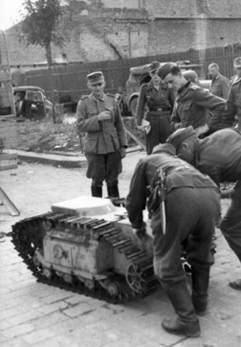
Fig. 24: German infantrymen deploying the “Goliath,” a miniature tracked vehicle loaded with explosives, against Polish insurgents in Warsaw, August 1944. Photographer: Götze, PK KBZ HG Mitte (BArch, Image 101I-895-0412-19/Götze/CC-BY-SA)

As the severe defeats suffered on all fronts from 1942 onward made it increasingly difficult to report on the heroic deeds of German soldiers and officers, the introduction of new weapons systems came to the forefront of PK reporting. [203] This likely also applies to many PK and SS-PK photographs of the fighting against the Polish insurgents in Warsaw in 1944, which focused the viewer’s attention not so much on the individual men as on the weapons they were using (Fig. 24). [204]

This also made it easier to conceal from the public the high proportion of non-German “auxiliary troops” [“HIlfstruppen”] wearing German uniforms.

Summary

As can be seen from the above, PK photographs depict only what is visible. However, since not all historically relevant events were or are visible, their analysis and interpretation should, as in art history, draw on additional textual and visual sources that shed light on the extent to which the conditions under which these images were created and how their contemporary uses limited the manner of visualization and the visibility of certain phenomena. In addition, their “intended iconography” must be taken into account, which can also be reconstructed by consulting contemporary textual and visual sources – such as relevant instructions and contemporary photopublishing. Such a reconstructive approach clearly reveals that the purpose of PK photographs taken during combat operations in the eastern theaters of war was not merely to report on the war and glorify the Wehrmacht, but also to construct images of the enemy.

As early as 1939, the German press was instructed by the RMVP to portray the population of the multi-ethnic society in the occupied Polish territories as “subhumans”. In 1941, the RMVP combined previously established patterns of anti-Semitic visual propaganda with an “anti-Bolshevik” visual program that had been temporarily suspended from 1939 to 1941. All of these elements of visual war propaganda presupposed the National Socialist racial ideology as the receptive context of the PK photography. In the eastern war zones, it facilitated and supported the Holocaust and the destruction of multiethnic societies in pursuit of a utopia already outlined in Hitler’s programmatic writings prior to 1933: the establishment of a colonial empire in the East, in which masses of impoverished “foreign peoples” [“Fremdvölkischer”] were to serve a minority of “Nordic” master races [“Herrenmenschen”]. [205]

Well before 1933, the NSDAP had clearly articulated the worldview that underpinned its violent assault on “foreign peoples” in the anti-Marxist slogan “Race instead of class” [“Rasse statt Klasse“]. Since the invasion of Poland, this motivation for action has been reflected in the criminal conduct of the German occupying power toward the members of a multiethnic society, which had now been divided into various “ethnic groups” [“Volksgruppen”]. This process of division and segregation within the multi-ethnic state of Poland – justified by racial ideology and hygienic-medical requirements – can be better understood through the photojournalism [Fotopublizistik] in the IKP than through media products intended for the German-speaking public.

While the construction of a racially ideologically based enemy image in German-occupied Polish territory up until 1941 through the work of the PK photographers – and in particular the SS-PK photographers – was largely limited to Jews, the visual defamation of all multiethnic societies in Central, Southeastern, and Eastern Europe – legitimized by the racial ideology of the “ethnic state” [“völkischen Staat”] – gained prominence through the visual imagery produced by the PK, with the invasion of the Soviet Union in 1941. This defamation became increasingly evident, at least from 1941 onward, in a deliberate exaggeration of the “filthy”, “animalistic”, and “Asian” in the “intended iconography” used to visually depict Soviet soldiers and civilians. [206] Systematic comparisons between complete series of PK photographs from the eastern war zones and their contemporary contexts of use in photopublishing under National Socialist rule can reveal just how great the discrepancy could be between the ethnic-racial [völkisch-rassischen] enemy stereotypes that were to be created and the visible realities encountered on the ground. The PK photographers had to bridge this discrepancy in order to comply with the instructions of the RMVP and the Wehrmacht Propaganda Department [Abteilung Wehrmachtpropaganda] at the OKW. [207]

A comparison of the PK photographs taken in German-occupied Poland with written sources and photographic sources from other producers shows that the PK’s photojournalism not only ignored the occupation’s terror against the civilian population and the industrialized extermination of “the mentally ill”, Jews, “Gypsies”, and Soviet prisoners of war, but also accompanied and supported these crimes through a visual program grounded in racial ideology, which gained its effectiveness not through individual images but primarily through the repetition of certain visual formulas and their mass reproduction. Any visualization of the events in occupied Poland from 1939 to 1945 that takes a critical approach to image sources will therefore not be able to rely solely on PK footage.

Of transnational significance is, first and foremost, the emergence of PK photographs in connection with a state crime of a scale previously unknown. In this context, when examining the photographs produced by the German Wehrmacht’s PK from a source-critical perspective, the question – formulated here in stark terms – must be asked to what extent they captured these crimes in images or whether they were produced with the intent of facilitating these crimes.

—-

Footnotes

[1] AHLRICH MEYER: Der Blick des Besatzers. Propagandaphotographie der Wehrmacht aus Marseille 1942-1944, Bremen 1999, p. 16.

[2] ANNIKA WIENERT: Tagungsbericht Bilderwelten. Fotografie, Film und künstlerische Bildproduktion in den nationalsozialistischen Lagern und Ghettos und deren Rezeption. 11.02.2011-13.02.2011, Neuengamme, in: H-Soz-u-Kult, March 7, 2011, http:// hsozkult.geschichte.hu-berlin.de/tagungsberichte/id=3566 (accessed March 16, 2011).

[3] See JENS JÄGER: Fotografiegeschichte(n). Stand und Tendenzen der historischen Forschung, in: Archiv für Sozialgeschichte 48 (2008), pp. 511–537.

[4] MIRIAM Y. ARANI: Die fotohistorische Forschung zur NS-Diktatur als interdisziplinäre Bildwissenschaft, in: Zeithistorische Forschungen 5 (2008), 3, pp. 387–412, here p. 393 (with detailed bibliographical references on the history of research), http://www.zeithistorischeforschungen.de/site/40208871/default.aspx (accessed on March 16, 2011).

[5] See W obiektywie wroga. Niemieccy fotoreporterzy w okupowanej Warszawie 1939-1945 = Im Objektiv des Feindes. Die deutschen Bildberichterstatter im besetzten Warschau, edited by CEZARY KRÓL and DANUTA JACKIEWICZ, Warsaw 2009.

[6]  MIRIAM Y. ARANI: Fotografische Selbst- und Fremdbilder von Deutschen und Polen im Reichsgau Wartheland 1939-45. Unter besonderer Berücksichtigung der Region Wielkopolska, Hamburg 2008 (Schriftenreihe Schriften zur Medienwissenschaft, 19).

[7] OLIVER SANDER: Deutsche Bildberichter in Polen, in: W obiektywie wroga (as in note 5), pp. 31–47, here p. 32. See also the online finding aids and publications of the Federal Archives at http://www.bundesarchiv.de/ and http://www.bild.bundesarchiv.de/ (accessed on March 16, 2011). In December 2008, the Federal Archives made approximately 100,000 historical photographs from various periods of German history available to the online encyclopedia Wikipedia under a standard license for free use and redistribution. The archive designations of such licensed PK photographs are marked below with the suffix “CC-BY-SA.”

[8]  http://bpkgate.picturemaxx.com/ (accessed on March 16, 2011).

[9] See Verbrechen der Wehrmacht. Dimensionen des Vernichtungskrieges 1941-1944, ed. by ULRIKE JUREIT, Hamburg 2002; Genesis des Genozids. Polen 1939-1941, edited by KLAUS-MICHAEL MALLMANN et al., Darmstadt 2004 (Veröffentlichungen der Forschungsstelle Ludwigsburg der Universität Stuttgart, 3); “Grösste Härte …” Verbrechen der Wehrmacht in Polen September/Oktober 1939. Exhibition catalog, edited by JOCHEN BÖHLER, Osnabrück 2005.

[10] See NORMAN DAVIES: : Europe at War 1939-1945. No Simple Victory, London 2006, pp. 19 ff., 24 ff., 71 ff., 94, 364–367.

[11] WOLF BUCHMANN: “Woher kommt das Photo?” Zur Authentizität und Interpretation von historischen Photoaufnahmen in Archiven, in: Der Archivar 59 (1999), 4, pp. 296–306, http://www.archive.nrw.de/archivar/hefte/1999/Archivar_1999-4.pdf (accessed on March 16, 2011).

[12] BERND BOLL: Das Bild als Waffe. Quellenkritische Anmerkungen zum Foto- und Filmmaterial der deutschen Propagandatruppen 1938-1945, in: Zeitschrift für Geschichtswissenschaft 54 (2006), pp. 974–998, here pp. 974–975. Most recently on the history and function of propaganda units, see DANIEL UZIEL: The Propaganda Warriors: The Wehrmacht and the Consolidation of the German Home Front, New York 2008; see the review by EUGENIA C. KIESLING, in: Michigan War Studies Review, April 2, 2009, http://www.michiganwarstudiesreview.com/2009/20090402.asp (accessed December 1, 2010).

[13] Many members of the propaganda troops returned to their former professions after 1945 and concealed their previous roles from the postwar public. For example, in 1951 Günther Heysing founded a veterans’ organization of the propaganda troops in Hamburg called “Wildente”, which aimed to portray the propaganda units and the Wehrmacht as separate from the Nazi regime, according to DANZIEL UZIEL: Propaganda, Kriegsberichterstattung und die Wehrmacht. Stellenwert und Funktion der Propagandatruppen im NS-Staat, in: Die Kamera als Waffe. Propagandabilder des Zweiten Weltkrieges, ed. by RAINER ROTHER and JUDITH PROKASKY, Munich 2010, pp. 13–36, here pp. 29 ff.

[14] BOLL (as in note 12), pp. 988, 996.

[15] WINFRIED RANKE: Fotografische Kriegsberichterstattung im Zweiten Weltkrieg. Wann wurde daraus Propaganda? in: Fotogeschichte 12 (1992), 43, pp. 60–73, here pp. 61–67 and 70 ff.

[16] MEYER (as in note 1), p. 17.

[17] HASSO VON WEDEL: Die Propagandatruppen der deutschen Wehrmacht, Neckargemünd 1962 (Die Wehrmacht im Kampf, 34), p. 37; and, in contrast, MEYER (as in note 1), p. 35; SANDER (as in note 7), p. 37.

[18] VON WEDEL (as in note 17), p. 148, and, in contrast, ARANI, Fotografische Selbst- und Fremdbilder (as in note 6), pp. 576 ff.

[19] See BOLL (as in note 12), p. 996; UZIEL (as in note 12), pp. 14 ff.; ARANI, Fotografische Selbst- und Fremdbilder (as in note 6), pp. 217 ff., 228–231, 247 ff.

[20] “Every artifact […] can only be interpreted and understood in terms of the meaning that human action (which may have very different objectives) imparted (or sought to impart) to the production and use of that artifact; without reference to this meaning, it would remain entirely incomprehensible.” MAX WEBER: Soziologische Grundbegriffe, München 1984, p. 22; cf. ARANI, Fotografische Selbst- und Fremdbilder (as in note 6), pp. 90–109, esp. pp. 102 ff.

[21] See ARANI, Die fotohistorische Forschung (as in note 4), and the same author: Fotografien als Objekte – die objektimmanenten Spuren ihrer Produktions- und Gebrauchszusammenhänge, in: Das Objekt Fotografie – „schön und nützlich zugleich“, ed. by IRENE ZIEHE and ULRICH HÄGELE, Münster 2006 (Visual Culture, 2), pp. 29–43.

[22] JAN BIAŁOSTOCKI: Skizze der beabsichtigten und der interpretierenden Ikonographie, in: Ikonographie und Ikonologie. Theorien, Entwicklung, Probleme, ed. by EKK-HARD KAEMMERLING, 4th ed., Cologne 1987, pp. 15–63.

[23]  UZIEL (as in note 12), p. 14.

[24]  Ibid., pp. 13, 28 ff.

[25]  As cited in BOLL (as in note 12), p. 977.

[26] PETER LONGERICH: Nationalsozialistische Propaganda, in: Deutschland 1933-1945. Neue Studien zur nationalsozialistischen Herrschaft, ed. by KARL DIETRICH BRACHER, 2nd expanded ed., Bonn 1993 (Schriftenreihe Bundeszentrale für Politische Bildung, 314), pp. 291–314.

[27] EUGEN HADAMOVSKY: Propaganda und nationale Macht, Oldenburg 1933, p. 22.

[28] UZIEL (as in note 12), pp. 16 ff.

[29] Quoted in SANDER (as in note 7), p. 33; MEYER (as in note 1), p. 30.

[30] Cf. BOLL (as in note 12), p. 977; SANDER (as in note 7), pp. 32 ff.; UZIEL (as in note 12), p. 16.

[31] See BOLL (as in note 12), p. 978; UZIEL (as in note 12), pp. 17 ff. Excerpts from a corresponding publication by HASSO VON WEDEL titled “Wehrmacht und Partei” (1938) are reprinted in: Das Dritte Reich und seine Diener, ed. by LÉON POLIAKOV and JOSEF WULF, Munich, etc., 1978, pp. 421 ff.

[32] BOLL (as in note 12), pp. 979–982.

[33] According to an agreement dated July 26, 1940, the RMVP Department of Reich Defense [RMVP-Referat Reichsverteidigung] was responsible for this; see BOLL (as in note 12), p. 978.

[34] According to UZIEL (as in note 12), p. 26, this recruitment system continued well into the war.

[35] DORIS KOHLMANN-VIAND: NS-Pressepolitik im Zweiten Weltkrieg. Die „vertraulichen Informationen“ als Mittel der Presselenkung, Munich, et al., 1991 (Kommunikation und Politik, 23), pp. 37–40, 43–52, reconstructs the organizational process as follows: The RPA at the headquarters of the respective General Command [Generalkommando], in cooperation with the NSDAP Gau leadership [NSDAP-Gauleitung], compiled lists of eligible journalists. The lists of nominees were then forwarded to the Reich Defense Department [Reichsverteidigungsreferat] of the RMVP, where they were reviewed and supplemented. Subsequently, the nominated journalists were screened once again by the staff of the “Führer’s” deputy to ensure their political reliability.

[36] In each military district command, a Wehrmacht propaganda officer subordinate to Dept. WPr IIc [Abt. WPr IIc] had been assigned to the senior leadership; according to UZIEL (as in note 12), p. 27 ff.

[37]  BOLL (as in note 12), p. 979.

[38]  UZIEL (as in note 12), p. 27.

[39] See ARANI, Fotografische Selbst- und Fremdbilder (as in note 6), pp. 255, 257 ff.

[40] The term “press instructions” [“Presseanweisungen”] refers to the following collections of sources: the notes taken by two journalists at the “Reich Press Conference” [“Reichspressekonferenz”] (BArch, Zsg 101: Brammer Collection; BArch, ZSg 102: Slg. Sänger), the telegrams containing instructions from the “Reichspressekonferenzen” to the Reich Propaganda Offices [Reichspropagandaämter] (BArch, Zsg. 109: Slg. Oberheitmann), and Goebbels’ minutes from the ministerial conferences of 1939–1945.

[41] From the start of the war, ministerial conferences chaired by Goebbels were held daily at the RMVP; see: Kriegspropaganda 1939-1941, ed. by WILLI A. BOELCKE, Stuttgart 1966; Wollt Ihr den totalen Krieg? Die geheimen Goebbels-Konferenzen 1939-1945, ed. by the same author, Stuttgart 1967.

[42] See ARANI, Fotografische Selbst- und Fremdbilder (as in note 6), p. 280 ff.; JÜRGEN HAGEMANN: Die Presselenkung im Dritten Reich, Bonn 1970, pp. 95, 242, 288.

[43] See BOLL (as in note 12), p. 979; see also: Die Gleichschaltung der Bilder. Zur Geschichte der Pressefotografie 1930–1936, ed. by DIETHART KERBS et al., Berlin 1983.

[44] See VON WEDEL (as in note 17), pp. 2, 18 ff.; BOLL (as in note 12), p. 977; UZIEL (as in note 12), p. 15.

[45] BArch RH 19 XVI/8, pp. 102–109; cf. (by contrast) UZIEL (as in note 12), p. 17, based on ORTWIN BUCHBENDER: Das tönerne Erz. Deutsche Propaganda gegen die Rote Armee im Zweiten Weltkrieg, Stuttgart 1978, p. 19. These first five companies – PK 521, 537, 549, 558, and 570 – were assigned new numbers shortly before the invasion of Poland: the leading digit 5 was replaced by a 6.

[46] UZIEL (as in note 12), p. 18.

[47] VON WEDEL (as in note 17), p. 17.

[48] See BOLL (as in note 12), p. 989.

[49] Operational reports of PK 637 from the fall of 1939, BArch, Bild, Army Supplementary Volume to Collection 101I, pp. 45–56. As evidenced by the information compiled by UTE WROCKLAGE for the DVD: Verbrechen der Wehrmacht. Dimensionen des Vernichtungskrieges 1941-1944, published by the HAMBURGER INSTITUT FÜR SOZIALFORSCHUNG, Hamburg 2004, regarding PK photographer Johannes Hähle, photo reporters in the propaganda companies held at least four different military ranks (Sonderführer, Gefreiter, Leutnant, Unteroffizier); see DVD at the following path: Topics & Content/Topic Selection/3. Genocide/PC Station/Babi Yar/The Photographer (facsimile of the initial report on images and reports from PK 637 dated September 30, 1941).

[50] According to SANDER (as in note 7), pp. 31 ff., the units in question were as follows: in the Heeresgruppe Nord: PK 501 and PK 689; in the Heeresgruppe Süd: PK 621, PK 637, and PK 670; in the Luftflotte: Lw-PK 1 and Lw-PK 2, as well as Luftwaffen-Kommando Ostpreußen und Luftwaffen-Propaganda-Zug Ostpreußen; in the Navy: 1. Marine PK Ost. Cf., with some deviations, ARANI, Fotografische Selbst- und Fremdbilder (as in note 6), p. 572 ff.

[51] See SANDER (as in note 7), p. 32; UZIEL (as in note 12), p. 19. The PEA was later renamed the Propaganda Training Department (PAA).

[52] See VON WEDEL (as in note 17), pp. 53 ff.; UZIEL (as in note 12), p. 19.

[53] UZIEL (as in note 12), p. 20.

[54] BOLL (as in note 12), p. 987.

[55]  See UZIEL (as in note 12), p. 20.

[56] Ibid., p. 20.

[57] See MARTIN MOLL: Die Abteilung Wehrmachtpropaganda im Oberkommando der Wehrmacht: Militärische Bürokratie oder Medienkonzern?, in: Bürokratien. Initiative und Effizienz, ed. by WOLF GRUNER and ARMIN NOLZEN, Berlin 2001 (Beiträge zur Geschichte des Nationalsozialismus, 17), pp. 111–150, here pp. 129–130; BOLL (as in note 12), p. 979; SANDER (as in note 7), p. 33; UZIEL (as in note 12), p. 20.

[58] UZIEL (as in note 12), p. 20 ff.

[59] See SANDER (as in note 7), p. 32, and UZIEL (as in note 12), p. 18 ff.

[60] BOLL (as in note 12), p. 984.

[61] Ibid., p. 986.

[62] SANDER (as in note 7), p. 38.

[63] See ibid., pp. 31, 38. For more information on the photograph shown here, see also: BArch, Image 146-1979-056-18A/CC-BY-SA; BArch, Image 183-E10457/CC-BY-SA and -E10458/CC-BY-SA.

[64] UZIEL (as in note 12), p. 21; ARANI, Fotografische Selbst- und Fremdbilder (as in note 6), p. 580.

[65] The regulations in the “annexed eastern territories” [„eingegliederten Ostgebieten“] and the “General Government” [„Generalgouvernement“] differed; see, on Greater Poland [Großpolen]: ARANI, Fotografische Selbst- und Fremdbilder (as in note 6), pp. 440–448, and on the General Government [Generalgouvernement]: Ibid.: Aus den Augen aus dem Sinn? Publizierte Fotografien aus dem besetzten Warschau 1939 bis 1945, in: Fotogeschichte 17 (1997), 65, pp. 33–58 (Part 1) and 18 (1997), 66, pp. 33–50 (Part 2).

[66] See BOLL (as in note 12), p. 994; ROLF SACHSSE: Die Erziehung zum Wegsehen. Fotografie im NS-Staat, Dresden 2003, p. 349; BArch RH 20-8/167: OKW to PK 649, Sept. 11, 1939; BArch RW 4/185, Bl. [fol.] 215: OKW and RMVP to all PK, Oct. 13, 1939.

[67] Beginning on August 1, 1941, responsibility for this fell to the newly established Photo Press Office [Bildpresseamt], a subordinate agency of the RMVP, which by 1943 had over one million PK photographs and an unspecified number of confiscated photographs from abroad; BOLL (as in note 12), p. 995; SACHSSE (as in note 66), p. 257 ff.

[68] BOLL (as in note 12), p. 983; SANDER (as in note 7), pp. 34 ff.

[69] Quoted from SANDER (as in note 7), p. 37.

[70] BOLL (as in note 12), p. 979.

[71] SANDER (as in note 7), p. 37.

[72] BOLL (as in note 12), p. 985.

[73] As quoted in SANDER (as in note 7), p. 37.

[74] As quoted in BOLL (see note 12), p. 992.

[75] See BArch Image 101I-010-0919-39/CC-BY-SA, June 21, 1941, Photographer: Georg Schmidt, PK 621.

[76] GEORG SCHMIDT-SCHEEDER: Reporter der Hölle. Propagandakompanien im 2. Weltkrieg, Stuttgart 1977, pp. 152, 162 ff., and 166, as cited in BOLL (see note 12), p. 992.

[77] A “good photo series” was considered the highest achievement of a PK photographer; see SACHSSE (as in note 66), p. 363.

[78] BOLL (as in note 12), p. 988.

[79] See SANDER (as in note 7), p. 34.

[80] Ibid., p. 33, note 33.

[81] Ibid., note 16.

[82] Quoted from BOLL (as in note 12), p. 990.

[83] Cf. ibid., p. 983.

[84] Ibid., p. 985.

[85] SANDER (as in note 7), p. 33; cf. SACHSSE (as in note 66), p. 343.

[86] BOLL (as in note 12), pp. 983, 986; VON WEDEL (as in note 17), pp. 20 ff.

[87] See BOLL (as in note 12), p. 982; BERND WEISE: Pressefotografie als Medium der Propaganda im Presselenkungssystem des Dritten Reiches, in: Gleichschaltung der Bilder (as in note 36), pp. 141–155, here pp. 148 ff.

[88] See BOLL (as in note 12), p. 983. The photo news agencies [Bildnachrichtenbüros] were subject to the “Reich Press Chamber” [“Reichspressekammer”] and were subject to similar state intervention as publishing houses; ARANI, Fotografische Selbst- und Fremdbilder (as in note 6), pp. 255, 259 ff.

[89] The accompanying notes [Begleitzettel] for the PK images distributed by the photo news agencies [Bildnachrichtenbüros] contained the accompanying text edited by the RMVP and, where applicable, additional instructions to the press editorial staff, the date the image was released, the name of the PK photographer and the photo news agency [Bildnachrichtenbüro], as well as the serial numbers assigned by the agency; see ARANI, Fotografische Selbst- und Fremdbilder (as in note 6), figs. III.30 and III.37.

[90] SACHSSE (as in note 66), p. 342 ff.

[91] ARANI, Fotografische Selbst- und Fremdbilder (as in note 6), pp. 212 ff. and 215, figs. III.36–37, as well as BArch, image 183-2008-0415-505/Fremke/CC-BY-SA (with contemporary markings retouched into the image to delineate the section to be published).

[92] SANDER (as in note 7), p. 33.

[93] SACHSSE (as in note 66), pp. 354–357.

[94] See the cases of Artur Grimm, Gerhard Gronefeld, and Johannes Hähle, whose PK photographs have been preserved in part through private or private-sector channels.

[95] MEYER (as in note 1), p. 30 ff.; SANDER (as in note 7), p. 38.

[96] SANDER (as in note 7), p. 39, notes 61–63 (with title references). As part of its support for the troops, each PK distributed a front-line newspaper for the army to which it was assigned.

[97] BOLL (as in note 12), p. 987.

[98] SANDER (as in note 7), p. 40.

[99] See bibliographic references in SANDER (as in note 7), p. 39.

[100] Die Soldaten des Führers im Felde. Raumbildalbum, edited by HASSO VON WEDEL and HEINRICH HANSEN, Munich 1939.

[101] SACHSSE (as in note 66), p. 352 ff.; SANDER (as in note 7), p. 39; BArch, Image 183- L02529/CC-BY-SA.

[102] According to BOLL (as in note 12), p. 990.

[103] Retouching on a paper print of a photograph, as opposed to retouching on the photographic negative film or glass plate.

[104] BArch, Image 101I-380-0075-15; ALEXANDER ZÖLLER: Soldaten oder Journalisten? Das Image der Propagandakompanien zwischen Anspruch und Wirklichkeit, in: Die Kamera als Waffe (as in note 13), pp. 167–179, here pp. 175 ff.

[105] Ibid., pp. 172–176.

[106] On the legal press in occupied Poland: LUCJAN DOBROSZYCKI: Die legale polnische Presse im Generalgouvernement 1939-1945, Munich 1977; LARS JOCKHECK: Propaganda im Generalgouvernement. Die NS-Besatzungspresse für Deutsche und Polen 1939-1945, Osnabrück 2006 (Einzelveröffentlichungen des Deutschen Historischen Instituts Warschau, 15).

[107] DOBROSZYCKI (as in note 106), pp. 65 ff., 113–117.

[108] Ibid., pp. 93, 95; JOCKHECK (as in note 106), p. 123.

[109] JOCKHECK (as in note 106), pp. 116, 129 ff.

[110] Ibid., p. 92; JOCKHECK (as in note 106), pp. 94 ff.

[111] In late October 1939, Hans Frank and Goebbels agreed to destroy all Polish mass media; DOBROSZYCKI (as in note 106), p. 61.

[A.d.Ü.: Diese zwei Fußnoten (110 und 111) sind aufgrund der anderen Satzstellung im Englischen anders nummeriert als im Originaltext.]

[112] JOCKHECK (as in note 106), pp. 69–79, 348 ff.

[113] Ibid., p. 130.

[114] The IKP was published biweekly starting on February 25, 1940, and weekly starting on October 6, 1940. I was able to examine this magazine thanks to a Feldmann travel grant from the DGIA Foundation.

[115] JOCKHECK (as in note 106), p. 121.

[116] For an example of the iconography, see the double-page spread titled “Czerwone gwiazdy z raju sowieckiego” [Red Stars from the Soviet Paradise] and illustrated with drawings in IKP, Vol. 2, No. 44, October 2, 1941, pp. 4–5. Beyond its connection to anti-Semitic elements, this “anti-Bolshevik” propaganda portraying enemies [Feindbildpropaganda] was part of a broader pattern within the IKP of consistently racist depictions of non-European “peoples” [“Völker”]; see, for example, IKP, vol. 2, no. 7, dated February 16, 1941, pp. 8–9 (Haiti) and No. 42 of October 19, 1941, p. 13 (India).

[117] Jews in German-occupied Poland were depicted in photographs in only two issues from 1940: IKP, Vol. 1, No. 1, dated February 25, 1940, p. 5 (single photograph), and No. 27, dated December 15, 1940, p. 12 (photo essay “Warszawskie Ghetto”).

[118] For example: IKP, Vol. 2, No. 12, March 23, 1941, pp. 2–3; No. 19, May 11, 1941, pp. 4–5; No. 31, August 3, 1941, p. 12; No. 33, August 17, 1941, p. 6; No. 40, October 5, 1941, pp. 8–9. Americans were predominantly represented visually by scantily clad showgirls.

[119] This corresponds to the main trends in anti-Semitic propaganda within the National Socialist controlled press during the war years, as described by HAGEMANN (see note 42).

[120] The 1943 edition could not be examined.

[121] Such unlabeled PK photos, depicting German troops, their successes, their enemies, and their prisoners of war, were found in the IKP for the years 1940 and 1941 in: Vol. 1, No. 7, May 19, 1940, pp. 6–7; No. 8, June 2, 1940, p. 7; No. 9, June 16, 1940, pp. 2–5; No. 10, June 30, 1940, pp. 2–3; No. 16, September 22, 1940, pp. 8–9; Vol. 2, No. 3, January 19, 1941, pp. 2–3; No. 10, March 9, 1941, pp. 4–5; No. 15, April 13, 1941, pp. 4–5; No. 19, May 11, 1941, pp. 4–5; No. 20, May 18, 1941, pp. 12–13; No. 24, June 15, 1941, pp. 4–5; No. 27, July 6, 1941, pp. 2–3, 7; No. 28, July 13, 1941, p. 1 (cover), pp. 2–5; No. 29, July 20, 1941, p. 1 (cover), 4–5, 7; No. 30, July 27, 1941, pp. 2–5; No. 31, August 3, 1941, p. 2; No. 33, August 17, 1941, p. 1 (cover), 2–5 (including Waffen-SS), 8–9; No. 34, August 24, 1941, pp. 2–5; No. 35, August 31, 1941, pp. 4–5, 7, 12; No. 36, September 7, 1941, pp. 2–3; No. 37, September 14, 1941, pp. 4–7; No. 38, September 21, 1941, pp. 2–5; No. 39, September 28, 1941, pp. 2–3, 5; No. 40, October 5, 1941, p. 1 (cover photo), 2–3, 4 (exceptionally explicit mention of the PK photographers Dietrich and G. Schmidt), 8–9; No. 44, October 2, 1941, pp. 2–3; No. 46, November 16, 1941, pp. 1 (cover), 2–5; No. 48, November 30, 1941, p. 1 (cover).

[122] See DIETHART KERBS, WALTER UKA: Beispiele nationalsozialistischer Bildpublizistik, in: Gleichschaltung (as in note 43), pp. 160–171, here pp. 164–171.

[123] See “Noch vor einem Jahr … und heute!” Photo essay by Hilmar Pabel on the Reichsgau Wartheland, in: Illustrierter Beobachter, August 15, 1940, pp. 820–821.

[124] Berliner Illustrirte Zeitung, July 17, 1941, pp. 764–765.

[125] See EDMUND DMITRÓW: Obraz Rosji i Rosjan w propagandzie narodowosocjalistów 1939-1945. Stare i nowe stereotypy [The Image of Russia and the Russians in National Socialist Propaganda, 1939–1945. Old and New Stereotypes], Warsaw 1997; Ibid.: Dehumanizacja obrazu wroga w propagandzie nazistowskiej na przykładzie broszury propagandowej “Der Untermensch” [The Dehumanization of the Enemy Image in National Socialist Propaganda: The Case of the Propaganda Pamphlet “Der Untermensch”], in: Rocznik Polsko-Niemiecki 6 (1997), pp. 91–114.

[126] See the DVD Vernichtungskrieg [War of Annihilation] (as in note 49), path: Themen & Inhalte/Themenauswahl/4. Sowjetische Soldaten in deutscher Gefangenschaft/PC-Station/Das Propagandabild/Antibolschewistische Propaganda im Nationalsozialismus und -/Das „Russenbild“ im Zweiten Weltkrieg. A contemporary “anti-Bolshevik” pictorial publication that conformed to these guidelines was: “Wohnkultur im Sowjetparadies” [“Home Life in the Soviet Paradise”] with seven photographs by SS-PK photographer Roth, in: Illustrierter Beobachter, September 7, 1941.

[127] Quoted from: Wollt ihr den totalen Krieg? (as in note 41), pp. 180–183.

[128] The caption in the IKP read: „‚Jestem przyjacielem Rothschilda‘/Tak wolał ten żyd do żołnierzy niemieckich, gdy go brali do niewoli. Ciekawe czy kapitalista Rotschild będzie wdzięczny za to, by taki plugawy żyd uważał go za swego przyjaciela.“ [“‘I am a friend of Rothschild.’ That is what this Jew shouted to the German soldiers when they took him prisoner. It is questionable whether the capitalist Rothschild will be grateful that such a filthy Jew considers himself his friend.”] The captions for the photographs published under National Socialist rule also followed the language guidelines of the secret press control [geheime Presselenkung], see HAGEMANN (as in note 42), p. 207 ff.

[129] See also other PK photographs of Jews in the territory occupied by Germany in 1941, such as the photo series by PK photographer Rudolf Kessler from Mogilev (Mahilëŭ) in Belarus: BArch, Image 101I-138-1083-3 [to -33]/CC-BY-SA and BArch, Image 101I-138-1084-02 [to -20]/CC-BY-SA; see also BUCHMANN (as in note 11).

[130] In a series of photographs taken by PK photographer Neumann (PK 691) in April 1941, depicting the roundup of Jews in Belgrade for forced labor (BArch, Image 101I-185-0112-03 to -38/CC-BY-SA), it is possible to see how the photographer, on the one hand, captured the “mass” of Jews rounded up for forced labor in wide shots (see BArch, Image 101I-185 -0112-07 to -11/CC-BY-SA) and, on the other hand, deliberately and repeatedly framed individual “types” in the shot (see BArch, Image 101I-185-0112-03, -05, -06, -17 to -19, -31, -32/CC-BY-SA). The defamatory intent of such medium and close-up shots of individual – in this case Jewish – “types” becomes particularly clear in the close-ups of individual facial “types,” understood at the time in “physiognomic” terms, featuring details intended to have a repulsive effect on later viewers: missing teeth, facial asymmetry, and the like. (see BArch, Image 101I-185-0112-20 to -24/CC-BY-SA).

[131] DVD Vernichtungskrieg [War of Annihilation] (as in note 49), Path: Pfad: Themen & Inhalte/Themenauswahl/4. Sowjetische Soldaten in deutscher Gefangenschaft/PC-Station/Das Propagandabild/ Die sowjetischen Kriegsgefangenen im Bild.

[132] See ARANI, Fotografische Selbst- und Fremdbilder (as in note 6), p. 353 ff.

[133] „Przy pomocy takich hord chciał Stalin opanować Europę, a Roosevelt i Churchill uznali ten plan za ‚bardzo podnoszący na duchu‘.“

[134] The caption for this photograph (Fig. 12) read: “Droga do niewoli. Trzej przedstawiciele pstrej mieszanej ludów Unii Sowieckiej, którzy poznali beznadziejność oporu, przechodzą z bronią w ręku na stroną niemiecką.” [“The Road to Captivity. Three representatives of the diverse peoples of the Soviet Union, having recognized the futility of resistance, are defecting to the German side with weapons in hand.”] The “Asians” depicted in German visual propaganda reflected the reality of the time inasmuch as numerous soldiers from Kazakhstan, Uzbekistan, and Tajikistan were indeed serving in the Red Army. For a “comparative viewing” of such images of “Asians” according to art-historical methodology – i.e., the identification of similarities and differences between two images through comparative observation of both – see ARANI, Objekt (as in note 21), pp. 30 ff. and illustrations on pp. 36, 39, and 41 – Barch, Image 146-1989-063-30A/Paris/CC-BY-SA is a good example.

[135] See, for example, DAVIES (as in note 10), p. 367; cf. BArch, Image 101I-006-2230-07/CC-BY-SA and -08/CC-BY-SA; BArch, Image 101I-217-0498-38/CC-BY-SA; BArch, Image 101I-187-0203-06A/CC-BY-SA; BArch, Image 146-1976-112-05A/CC-BY-SA; BArch, Image 183-L28726/CC-BY-SA and -L24469/CC-BY-SA.

[136] See UZIEL (as in note 12), p. 22.

[137] See the summary in SANDER (as in note 7), p. 34.

[138] Ibid., p. 37; see HAGEMANN (as in note 42), p. 286.

[139] UZIEL (as in note 12), p. 23.

[140] See MEYER (as in note 1), pp. 30–31.

[141] Boll (as in note 12), pp. 980 ff.; cf. JÜRGEN SCHRÖDER: Der Kriegsbericht als propagandistisches Kampfmittel der deutschen Kriegsführung im Zweiten Weltkrieg, Berlin 1965, p. 35 ff., and BArch, Image 146-1979-050-21A/CC-BY-SA; BArch, Image 183- E10713/CC-BY-SA.

[142] The fact that the German side had been planning a war of aggression against Poland since the spring of 1939 was to be concealed from the public. The RMVP issued instructions to date the start of the war not as September 1, but as September 3, 1939; see HAGEMANN (as in note 42), pp. 199 ff., 255, 265; cf. Nazi propaganda poster “Anglio! Twoje dzieło” [England! Your Work!] by Theo Matejko, Narodowe Archiwum Cyfrowe, ref. no. 37-242-1, and this poster in a contemporary PK photograph: W obiektywie wroga (as in note 5), p. 257.

[143] See ARANI, Fotografische Selbst- und Fremdbilder (as in note 6), pp. 573 ff., BArch RH 45/2 (family tree of PK 689) and BArch, Image 101I/Volume 121.

[144] For a detailed discussion of the sources and contemporary Bildpublizistik [image publications], see ARANI, Fotografische Selbst- und Fremdbilder (as in note 6), pp. 175–225; Ibid.: Wie Feindbilder gemacht wurden. Zur visuellen Konstruktion von „Feinden“ am Beispiel der Fotografien der Propagandakompanien aus Bromberg 1939 und Warschau 1941, in: Die Kamera als Waffe (as in note 13), pp. 150–163, here pp. 150–156; cf. SANDER (as in note 7), p. 35; BOLL (as in note 12), p. 981; SACHSSE (as in note 66), pp. 343 ff.

[145] EUGENIUSZ CEZARY KRÓL: Die Propaganda des Dritten Reiches gegenüber Polen und den Polen 1939-1945, in: W obiektywie wroga (as in note 5), pp. 15–30, here pp. 16 ff.; ARANI, Fotografische Selbst- und Fremdbilder (as in note 6), pp. 324 ff. A transcript of Press Directive [Pressenanweisung] No. 1306 (BArch Zsg 101/14) is reproduced in: W obiektywie wroga (as in note 5), p. 183; also cited in: HAGEMANN (as in note 42), p. 271, note 518, who excellently highlights the commanding nature of the RMVP’s “press directives,” which is absolutely necessary for understanding the nationalist system of press control.

[146] Quoted from HAGEMANN (as in note 42), p. 271.

[147] KRÓL (as in note 145), pp. 18 ff.

[148] Ibid., p. 20.

[149] Ibid., p. 21.

[150] SANDER (as in note 7), p. 36; BArch, Image 101I-030-0780-24, -25, -26, and -28/Kintscher/CC-BY-SA.

[151] ARANI, Fotografische Selbst- und Fremdbilder (as in note 6), p. 572; SACHSSE (as in note 66), p. 386, states that Artur Grimm was a member of a PK z.b.V. ObdH (zur besonderen Verwendung beim Oberbefehlshaber des Heeres – for special use by the Commander-in-Chief of the Army).

[152] W obiektywie wroga (as in note 5), pp. 194–199, 201. Some images from this photo series were published under the title “Waffen – in Gräbern versteckt! Der deutsche Sicherheitsdienst bei einer Razzia im Warschauer Getto“ in the Berliner Illustrierte Zeitung of Dec. 5, 1939, p. 1876; see also KLAUS HESSE: PK-Fotografen im NS-Vernichtungskrieg. Eine Bildreportage Artur Grimms aus dem besetzten Warschau 1939, in: Die Kamera als Waffe (as in note 13), pp. 137–149. The PK photographers did not capture the SS summary courts [SS-Standgerichte] that were used against non-Jewish civilians in occupied Poland in 1939. See, regarding the SS procedures in Poland that were specifically designed to create the appearance of “legality”: HANS-ERICH VOLKMANN: Verbrechen der Wehrmacht in Polen – Rahmenbedingungen und deutsche Nachkriegsrezeption, in: “Grösste Härte …” (as in note 9), pp. 24–38, here p. 30; DOROTHEE WEITBRECHT: Der Exekutionsauftrag der Einsatzgruppen in Polen, Filderstadt 2001 (Markstein diskursiv, 1), p. 50.

[153] BARBARA ENGELKING, JACEK LEOCIAK: Getto Warszawskie. Przewodnik po nieistniejącym mieście [The Warsaw Ghetto: A Guide to a Non-Existent City], Warsaw 2001, pp. 148 ff.

[154] The occupying forces demanded that Czerniaków submit a list of nominees for a “Judenrat” [“Jewish Council”] by October 13, 1939, and a list of all Jewish residents of Warsaw by October 28, 1939; ibid., p. 148.

[155] Ibid., p. 671. Starting on July 22, 1942, the “Judenrat” was to hand over 6,000 to 7,000 ghetto inmates daily for extermination.

[156] See UZIEL (as in note 12), p. 22.

[157] Ibid.; BOLL (as in note 12), pp. 984 ff.; HAGEMANN (as in note 42), p. 242, note 255; see also MEYER (as in note 1), pp. 90, 117, 140.

[158] As quoted in SANDER (as in note 7), p. 35.

[159] See ARANI, Fotografische Selbst- und Fremdbilder (as in note 6), pp. 420–426.

[160] This likely refers to the northern part of the old town of Łódź and the Baluty district, where the occupying forces subsequently established a forced residential area for Jews; see JULIAN BARANOWSKI: Das Getto Litzmannstadt, in: Berliner Juden im Getto Litzmannstadt 1941-1944. Ein Gedenkbuch, ed. by INGO LOOSE, Berlin et al. 2009, pp. 32–43, here pp. 35 ff.

[161] Die Tagebücher von Joseph Goebbels, ed. by ELKE FRÖHLICH, vol. 7, Munich 1998, p. 177.

[162] The “Gesetz zum Schutz des deutschen Blutes und der deutschen Ehre” [“Law for the Protection of German Blood and German Honor”] of September 15, 1935, was extended to include additional groups of people by Section 6 of the first ordinance on this matter, dated November 14, 1935; see SAUL FRIEDLÄNDER: Das Dritte Reich und die Juden. Die Jahre der Verfolgung 1933-1939, Munich 2000, p. 170.

[163] For a visual representation of this ideologem, see: Deadly Medicine. Creating the Master Race, ed. by UNITED STATES HOLOCAUST MEMORIAL MUSEUM, Washington 2004, ill. p. 103 (cover image “Neues Volk” 1938) and p. 192 (Nazi propaganda poster by G. Peiler “Żydzi – wszy – tyfus plamisty” [Jews – Lice – Typhus] for the General Government), the latter also reproduced in: W obiektywie wroga (as in note 5), p. 271.

[164] BArch, Image 101I-131-0596-13/Knobloch; BArch, Image 101I-322-2470-28/Ohmayer/CC-BY-SA; BArch, Image 101I-030-0794-38A/Brenner/CC-BY-SA; BArch, Image 183-L24628/Brenner/CC-BY-SA.

[165] On the scientific systematization of racial-biological selection and exclusion criteria in occupied Poland, see ARANI, Fotografische Selbst- und Fremdbilder (as in note 6), pp. 420–426, 431–435, 470–473, with further references.

[166] See KRÓL (as in note 145), p. 20 ff.; Im Kampf gegen Besatzung und „Endlösung“. Widerstand der Juden in Europa 1939-1945, ed. by GEORG HEUBERGER, Frankfurt am Main, 1995.

[167] KRÓL (as in note 145), p. 20. Warsaw became a transportation hub for the Wehrmacht’s advance eastward.

[168] SANDER (as in note 7), p. 36.

[169] UZIEL (as in note 12), pp. 22–23.

[170] On this cf. most recently ARANI, Feindbilder (as note 144), pp. 156–161; same author, Abbild oder Trugbild? Deutsche Fotografien von Juden in Warschau 1939–1944, in: W obiektywie wroga (as note 5), pp. 48–57, here p. 52 f.; cf. UZIEL (as note 12), p. 22. The first major German-language publications on the photographs of PK 689 were: Fotografien aus dem Warschauer Ghetto, ed. by ULRICH KELLER, Berlin 1987 (Das Foto-Taschenbuch, 9); SYBIL MILTON, Argument oder Illustration. Die Bedeutung von Fotodokumenten als Quelle, in: Fotogeschichte 8 (1988), no. 28, pp. 61–90, here p. 79.

[171] SANDER (as in note 7), p. 35 ff.

[172] BArch, Image 183-L22986 and -L25517/Koch/CC-BY-SA.

[173] BArch, Image 101I-030-0766-08, -20, -26, and -32/Rössler/CC-BY-SA.

[174] BArch, Image 101I-019-1229-30, -31, -33, and -34/Hähle/CC-BY-SA.

[175] Cf. ARANI, Fotografische Selbst- und Fremdbilder (as note 6), pp. 848–851, 893, 901; TANJA KINZEL, Zwangsarbeit im Fokus. Drei fotografische Perspektiven aus dem Ghetto Litzmannstadt, in: Im Ghetto 1939–1945. Neuere Forschungen zu Alltag und Umfeld, ed. by CHRISTOPH DIECKMANN and BABETTE QUINKERT, Göttingen 2009 (Beiträge zur Geschichte des Nationalsozialismus, 25), pp. 171–204; Das Gesicht des Gettos. Bilder jüdischer Photographen aus dem Getto Litzmannstadt 1940–1944, ed. by STIFTUNG TOPOGRAPHIE DES TERRORS, Berlin 2010.

[176] On methodology cf. ARANI, Fotografische Selbst- und Fremdbilder (as note 6), pp. 86, 106.

[177] BARANOWSKI (as in note 160), p. 32.

[178] Ibid., p. 36.

[179] Deutsche Lodzer Zeitung, November 7, 1939, p. 3, cited in: Germanizacja Łodzi w nazistowskiej prasie z lat 1939-1943. Wybór artykułów – Die Germanisierung von Łódź im Spiegel der nationalsozialistischen Presse (1939-1943), edited by KRYSTYNA RADZISZEWSKA and JÜRGEN RIECKE, Łódź 2004, pp. 14 and 72.

[180] See ARANI, Fotografische Selbst- und Fremdbilder (as in note 6), pp. 425, 470–473.

[181] BArch, Image 101I-133-0747-12/CC-BY-SA. The photo shows the facade of a building on ul. Piotrowska – now renamed Adolf-Hitler-Straße – during its “renovation” by a German “non-profit housing association” [“Gemeinnützige Wohnungsbaugesellschaft mbH”]. The photograph is part of the BArch collection, Image 101I/Volume 133/Film 747, containing photographs by PK photographer Knobloch from Litzmannstadt; see ARANI, Fotografische Selbst- und Fremdbilder (as in note 6), p. 916. The archival caption for the image is inaccurate in one respect: Adolf-Hitler-Straße had been off-limits to Jews since November 1939 and was located outside the ghetto grounds; see BARANOWSKI (as in note 160), p. 34; Germanizacja Łodzi (as in note 179), pp. 14, 25.

[182] On the SS-PK photographers Schilf and Wisniewski, see SANDER (as in note 7), p. 36. The forced resettlement of the Jews of Łódź into the city area designated as the ghetto took place between February and April 1940; see BARANOWSKI (as in note 160), p. 35 ff.

[183] Ibid., p. 32.

[184] See BArch, Image 101I-012-0048-17/Falk/CC-BY-SA; BArch, Image 101I-001-251-34/Schulze/CC-BY-SA; BArch, Image 183-E10855/CC-BY-SA; BArch, Image 101III- Wisniewski-025-21A and -22/CC-BY-SA; BArch, Image 101I-030-0780-25, -26, and -28/Kintscher/CC-BY-SA.

[185] For an analysis of photographic sources from a proxemic and kinetic perspective, see ARANI, Fotografische Selbst- und Fremdbilder (as in note 6), p. 99.

[186] See MEYER (as in note 1), pp. 32–35, and, regarding the operationalization of the analysis, ARANI, Fotografische Selbst- und Fremdbilder (as in note 6), p. 101.

[187] Some of his photographs have already been published by KELLER (see note 170), pp. 12, 171–187; contact prints of the negative film containing the photographs from the Litzmannstadt ghetto: BArch, Image 101I/Volume 133/Film 703.

[188] As evidenced by the surviving fragments of the company’s mission reports, members of this propaganda unit took photographs in the ghetto on February 12, 1941, and September 20, 1941; see ARANI, Fotografische Selbst- und Fremdbilder (as in note 6), pp. 574, 916.

[189] BArch, Image 101I-133-0703-32/Zermin/CC-BY-SA.

[190] BArch, Image 101III-Schilf-003-20 and -21/CC-BY-SA; BArch, Image 101III-Wisniewski-025-17/CC-BY-SA. According to contemporary “racial science” training materials, “Jews” were recognizable by certain physical characteristics, including the nose. However, RUDOLF VIRCHOW had already concluded that such physical characteristics could not be used to distinguish them: “Gesamtbericht über die von der deutschen anthropologischen Gesellschaft veranlassten Erhebungen über die Farbe der Haut, der Haare und der Augen der Schulkinder in Deutschland” [“Comprehensive Report on the Surveys Commissioned by the German Anthropological Society Regarding the Color of the Skin, Hair, and Eyes of Schoolchildren in Germany”] in: Archiv für Anthropologie 16 (1886), pp. 275–282. I would like to thank Prof. Dr. Konrad Vanja for this information.

[191] See also additional individual frames from the contact-printed negative film by PK photographer Zermin: BArch, Image 101I/Volume 133/Film 703; BArch, Image 101I-133-0703-27 and -35/Zermin/CC-BY-SA.

[192] Individual frames from the contact-copied negative film: BArch, Image 101I/Volume 133/Film 719; BArch, Image 101I-133-0719-05, -07, and -16/Zermin/CC-BY-SA.

[193] BArch, Image 101I-134-0770-05; ARANI, Feindbilder (as in note 144), p. 160 ff.

[194] See DAVIES (as in note 10), pp. 208 ff.

[195] Cf. W obiektywie wroga (as in note 5), pp. 336, 339–357.

[196] Quoted from SACHSSE (as in note 66), p. 364.

[197] W obiektywie wroga (as in note 5), p. 337.

[198] Facsimile in: W obiektywie wroga (as in note 5), pp. 364 ff.

[199] See HAGEMANN (as in note 42), p. 182.

[200] From the very start of the war, captured Polish civilians were to be referred to not as “captured Poles” but as captured “Polish bandits”; cited in SACHSSE (as in note 66), p. 344.

[201] See W obiektywie wroga (as note 5), p. 336 f.

[202] Cf. ibid., p. 357.

[203] UZIEL (as note 12), p. 23.

[204] Cf. W obiektywie wroga (as note 5), pp. 342–349.

[205] KARL HEINZ ROTH, „Generalplan Ost“ und der Mord an den Juden. Der „Fernplan der Umsiedlung in den Ostprovinzen“ aus dem Reichssicherheitshauptamt vom November 1939, in: 1999. Zeitschrift für Sozialgeschichte des 20. und 21. Jahrhunderts 12 (1997), no. 2, pp. 50–70. CZESŁAW MADAJCZYK, Vom Generalplan Ost zum Generalsiedlungsplan. Dokumente, Munich et al. 1994 (Einzelveröffentlichungen der Historischen Kommission zu Berlin, 80). Der „Generalplan Ost“. Hauptlinien der nationalsozialistischen Planungs- und Vernichtungspolitik, ed. by MECHTHILD RÖSSLER and SABINE SCHLEIERMACHER, Berlin 1993 (Schriften der Hamburger Stiftung für Sozialgeschichte des 20. Jahrhunderts, 3).

[206] Research into PK photographs from the territory of the former Soviet Union is complicated by the fact that neither the soldiers of the Red Army nor the estimated total of 27 million dead on the Soviet side can be clearly distinguished into Jews, Poles, Balts, Belarusians, Ukrainians, Russians, and “Asians.” This clearly demonstrates how ill-suited the category of national identity is for the scholarly analysis of World War II in Eastern Europe; see DAVIES (as in note 10), pp. 207, 210, 367 ff.

[207] The division of labor in the production, distribution, and publication of the PK photographs “relieved” individuals of responsibility for the final media product and its consequences, which ultimately also made it possible to deny any individual responsibility for the Holocaust and war crimes.

About the author

Miriam Yegane Arani did her doctorate at the UDK in Berlin under the supervision of the photo historian Prof. Diethart Kerbs. Her work focuses on the survey and analysis of photo-historical materials from the NS period. Her dissertation dealt with the Reichsgau Wartheland, where the Nazis implemented “exemplary” oppressive measures against the native Polish population. Similar methods were soon to be used in the old Reich territories in an increased dimension against the antagonized parts of the German, especially the German Jewish population. In the “Reichsgau Wartheland”, a German administrative unit newly formed from previously Polish territories after the military occupation, the Nazi regime realized its population and settlement policy plans for Eastern Europe in an exemplary manner.

Dr. Miriam Yegane Arani, http://propagandaundwiderstand.de

Tierautonomie
Publisher: www.simorgh.de – ‘Society, conflict and the anthropogenic dilemma’. Revised 06/2026. This reader is published in context with the memorial fund dedicated to Miriam’s work by the Edition Farangis.

Citation
Y. Arani, Miriam (2026): The photographs of the German Wehrmacht’s Propaganda Companies as sources on the events in occupied Poland 1939–1945. TIERAUTONOMIE, 12 (3), http://simorgh.de/tierautonomie/JG12_2026_3.pdf.

TIERAUTONOMIE (ISSN 2363-6513)

Our new header is by C. 勒 / Pegi Freespeech.
Original: C. 勒 und Tschördy, Antispeziesismus und Kunst: zu Demarkationslinien, p. 21.
In: E-Reader: Gruppe Messel, Jahrgang 6, Nr. 3, 2024.
ISSN 2700-6905. Edition Farangis.
https://d-nb.info/1323615423
https://d-nb.info/1323615423/34

Revised 12 June 2026

© Edition Farangis 2026


Syl Ko: Why look at animals (when humans do not want to look at each other)?

Jahrgang 12, Nr. 2, ISSN 2363-6513, April 2026

Syl Ko: Why look at animals (when humans do not want to look at each other)?

Tags: Sociology, animal sociology, animal rights, human rights, cross-species/interspecies ethics, social theory, philosophy of animal rights

Our new header is by C. 勒 / Pegi Freespeech.
Original: C. 勒 und Tschördy, Antispeziesismus und Kunst: zu Demarkationslinien, p. 21.
In: E-Reader: Gruppe Messel, Jahrgang 6, Nr. 3, 2024.
ISSN 2700-6905. Edition Farangis.
https://d-nb.info/1323615423
https://d-nb.info/1323615423/34

Revised 24 April 2026

Syl Ko: Why look at animals (when humans do not want to look at each other)?

This text as a PDF

Presentation given as part of the event
(AGAINST) ANIMAL CAPITALISM
Two-day symposium on animals in society
Saturday 28 & Sunday 29 March 2026
Screening Room | Mezzanine
https://www.emst.gr/en/events-en/against-animal-capitalism#about [accessed 19 April 2026]
https://www.emst.gr/web3/wp-content/uploads/2026/03/AGAINST-ANIMAL-CAPITALISM-ENG.pdf
[accessed 19 April 2026]

The presentation is available online at:
https://www.youtube.com/watch?v=8bAZSiRrOaU
and at https://archive.org/ [accessed 23 April 2026]

Image credits for the presentation linked above:
Mooni Perry (slides 7 and 10)
Wikimedia Commons
Stock images

Syl Ko: Why look at animals (when humans do not want to look at each other)?

Are we morally justified in using other animals for our benefit but to their detriment, such as eating them or using them in scientific experimentation? This question remains controversial. The dominant approach to this question has primarily relied on interrogating the legitimacy of the sharp moral divide drawn between humans and all other animals. Those who criticise human practices that harm other animals often conclude that attributing value to the mere fact of belonging to the species homo sapiens is arbitrary and prejudiced, no different from attributing value to a particular race, sex, or other such category. However, we argue that for those critical of these practices, a second question arises that must also be addressed: how should one pose and respond to the moral question about nonhuman animals given the alarming rate at which human injustice occurs? Our concern is not simply one about strategy. Motivating the second question is the substantive concern that the prevalence of systematic human injustice implies a fundamental moral disregard for human life, which runs counter to animal advocates’ claims. We suggest that if humans systematically lack the moral vision to “see” one another clearly, then that vision will most certainly fail when directed to “look” at other beings. To accommodate the second question, we propose re-presenting the first, the moral question about nonhuman animals, within the project of revaluing humanness.

[Slide 1]

My name is Syl Ko. I’m a writer and independent researcher. Within the context of this exhibit, I would summarize my research interest as “why look at animals (when humans do not want to look at each other)?”

[Slide 2]

For the past year I have been collaborating on a text with the author Lindgren Johnson, whose book “Race Matters, Animal Matters” was published in 2017. That same year I co-authored with the writer Aph Ko “Aphro-ism”, which, like Lindgren’s work, deals with the intertwined nature of race and animality. Lindgren and I initially collaborated in 2021, on an essay titled “Re-Centering the Human.”  Our current project is a development on that essay.

The theme that runs through our work concerns the presentation of the moral question about nonhuman animals.

[Slide 3]

This question is one that asks about the propriety of our practices, customs, traditions, and rituals that involve the use of nonhuman animals usually to their detriment, such as using them for food, scientific endeavors, entertainment, sport, companionship, etc.

In “Aphro-ism”, Aph Ko and I draw attention to how this question is commonly approached, which is to immediately reframe it as a question about the categorical moral divide assumed to exist between humans and all other animals. The assumption is that it is the drawing of this line that gives rise to animals’ disparate treatment. So, the debate surrounding the moral question about animals regarding the propriety of our practices involving them is transformed at the outset into one about whether that categorical moral division is legitimate.

[Slide 4]

This is why you see massive amounts of empirical data and scientific research about human beings and (especially) nonhuman animals launched from each side of this debate. Those who defend practices like eating meat draw on and present data they believe prove that all or most nonhuman animals lack whatever it is that bestows upon humans unique moral consideration, thus justifying the moral line dividing humans from animals. Those who are critical of these practices involving animals will draw on and present data they believe prove that there is no capacity or characteristic unique to humans that would justify privileging human moral interests over other animals’ interests if those animals share that same capacity or characteristic. Thus, they argue that the moral line is unjustified and ought to be eroded.

[Slide 5]

Furthermore, they think to challenge these practices NECESSITATES “desanctifying” humanness, meaning: humans have bloated their status to mythic proportion by making their mere humanness, the mere belonging to the species homo sapiens, the supreme value on the planet. So, elevating animals or securing for them the moral recognition they deserve entails deflating the importance and centrality of humanness and, thus, of human beings.

And what often goes unspoken is that these sorts of debates are always very theoretical- as in literally beholden to ethical theories. Whatever the favored ethical theory designates as the special capacity or property that confers upon beings moral status will dictate whatever data each side of the debate will obsess over. For instance, if the theory proposes that the capacity to suffer pain and enjoy pleasure is the property that qualifies one as morally considerable, each side will dig up and present data that evidences which animals feel pain or enjoy pleasure and to what degree, and so on.

[Slide 6]

In the essay “Re-Centering the Human,” Lindgren and I push back on this debate’s interpretation of what it means for there to exist a moral categorical line dividing humans from other animals. We express doubt that the having or the not-having of some particular capacity or characteristic is relevant to this division and we express even larger doubts that this division has much to do with the maintenance of the practices in question. We propose that this moral line dividing humans from other animals is fairly harmless insofar as nonhuman animals are concerned. It is simply the result of human beings situating themselves in their own species concept. Namely, it’s just humans operating from their human perspective. It’s not the sort of thing that requires justification.

[Slide 7]

In other words, human beings can apprehend what a human is from two different perspectives. One is the perspective with which we apprehend all other animals. For instance, if you present me with a lineup of different animals, I can say: “that is a bat, that is an elephant, that is a human, that is a fish,” and so on and I can make claims about each animal listed as I go down the line, which can be backed up with scientific data about each animal. Let’s call this the external perspective of being human or a “species-objectivist” stance. We are not making any knowledge claims here with the term “objective.” We just mean we are observing humanness or being human from a third-party, impartial angle no different than how we observe batness or elephantness.

[Slide 8]

However, something happens when we arrive at “human” in the species lineup that does not happen with any other species category.  A second perspective opens because I am a human! So, a perspectival shift occurs from “that is a human” to “I am a human” or the identification with one’s own species and with that shift comes a shift in the type of information you have access to. The internal perspective of being human or what we call the “species-subjectivist” perspective is a vantage point I cannot apprehend for any other animal and about which I must remain silent with regard to any other animal. While it is true that I know other animals experience a variety of emotions, enjoy pleasure and suffer pain, remember, imagine, have sophisticated social lives and relations, and so on, I am unable to access the interiority of what these experiences are like from their perspective or for them. Even if we can empathize with animals and can know the intricacies of their lives to a certain degree, we cannot subjectively experience their vantage point. (And by the way, for those of you wondering whether this reasoning applies to other categories, like race, sex, etc., please email me so that I can explain why species membership is not like those categories.)

Lindgren and I argue that the transformation of the moral question about animals to this other question about the legitimacy of the moral divide between human beings and all other animals, is entirely uncalled for and unnecessary, especially if you are challenging practices that harm animals. That’s because the moral question about animals is one that originates from the human internal or species-subjective perspective while the ensuing reframed debate is playing out at the human external or species-objectivist perspective. To make this clearer, let’s look at an example.

Imagine you move to a new town and you ask your neighbor for the route to your new job, which starts tomorrow. The neighbor disappears into his office and you hear a printer hard at work back there. The neighbor re-emerges with . . .

[Slide 9]

an astounding, large print-out of the dazzling famous Blue Marble photo of Earth taken by the Apollo 17 crew. But, of course, the image will not do. Despite the printout’s grand size, detail and beauty, not to mention a few impressive current scientific metrics charitably added to the side, your question is better answered by a vastly different kind of image of Earth, such as  …

[Slide 10]

that offered by Google Maps, from the perspective of being on Earth.

The misguided neighbor may have provided you with the most scientifically and cosmically accurate portrayal of Earth and you may even understand his eagerness to share the picture given the enormity and beauty of what is displayed, the many numbers to ponder and drown into, and the various thoughts provoked by apprehending our home from a perspective that is without. But ultimately your question cannot be answered or even addressed from this distant conception of Earth for what you are seeking concerns what is on Earth, including

[Slide 11]

the routes and paths we pave, the buildings we construct, the transportation services we devise, and the ideas that frame these entities: “towns,” “cities,” “streets,” “bus lines,” etc. Your question is a local question for which one requires a local conception of Earth to answer, let alone to make the question itself intelligible.

[Slide 12]

Like this example shows, we create parameters for what our life should look like from the perspective at which we actually live out that life. And a large fraction of those parameters for what we think our life should look like is what we call human morality or guidelines for how human beings ought to live and flourish in that life. The existence of the entire animal rights movement presupposes this moral divide is intact because it is our humanness understood in the subjective sense to which animal rights advocates ultimately appeal. From the species-objectivist perspective, the animal rights mission makes little sense.

From that perspective, all humans are animals. But lots of animals eat other animals all the time. It benefits them and probably tastes good to them. So, why is it a moral issue when humans do it? This kind of question can only be answered from the species-subjective perspective, which requires metaphorically standing in the shoes of a human and apprehending oneself as distinct from other animals. This gesture is not one of superiority but an acknowledgement that being subject to the dictates of human morality is the responsibility of human beings and human beings alone.

[Slide 13]

Our earlier works and our current project serve as examples for how we can use the species subjective perspective to think through the moral question about animals and challenge practices that harm them.

In our earlier works, we discuss systematic human injustices, the human “isms”, such as racism, sexism, antisemitism, homophobia, ableism, etc. alongside injustices inflicted by humans upon other animals. We place these phenomena on the same analytical plane, but not to compare them and certainly not to pretend they are similar. Rather, we do so to demonstrate how they are very distinct forms of suffering and that acknowledging that distinction does not belittle animal suffering. To the contrary. It honors how remarkably unique that terror must be for those animals experiencing entire lives of subjugation and horror without even a map to the interiority or motives of those who crush them.

[Slide 14]

When we set systematic human injustice beside systematic animal injustice, the mechanism underlying human injustice becomes salient. Despite the differences inherent in the various human “-isms” what they share is their purpose: to systematically and at the level of definition exclude certain human beings from the very concept of “human.” In some cases, this is made explicit, in other cases, it is not. But most human societies, if not all, operate and depend on a social organizing principle that sorts its human members along degrees of humanity according to the ideals of that society: from “Human” – top rank – down to humans considered “not Human”, “Subhuman” or “Animal.” This is not merely a divisive tool but is fundamental to each society as it establishes what exemplifies the ideal human being versus what exemplifies the opposite of that ideal.

[Slide 15]

So, it is here, in the Human/Not Human divide internal to human social worlds and specific to human life that the idea of “human” and that of “not human” / “animal” as opposites or contraries is devised. This is key.

[Slide 16]

Human beings marked as “not human” or “less than human” represent the living embodiment of the antithesis of humanity for that society. They are regarded morally illegible. So, they play a very important role because higher ranked human beings cannot live out or play out their superiority without other human beings to subjugate, to serve as witnesses to this Human order, to fail so spectacularly at their Humanity that their failure is a priori, to speak the words and testify about a reality in accordance with their master’s desires. Only other human beings can fulfill this anti-Human function.

This parasitic relationship transcends the physical. Although the so-called “real” or “true” Humans rely on the labor and bodies of the dehumanized humans, more importantly both groups are subjectively overridden or socially conditioned to experience themselves and others within the terms of this social order: the so-called “true” Humans are buoyant and full of themselves, feeding off not just the physical and emotional trauma endured by dehumanized human beings, but by and large, they feed off the latter’s psychic pain resulting from dehumanization and internalization of their inferiority.

[Slide 17]

If being considered “human” matters so much in cases where only human beings are involved, then humanness insofar as we understand it in the gross sense, as the mere belonging to the species homo sapiens seems not valued at the level of society. In fact, it appears that when humans build and shape their societies, they go out of their way to ensure that the morally operative conception of “human” is not simply belonging to the species homo sapiens. So, animal rights advocates call to “desanctify” humanness is not as radical as they think given this is what humans have been doing since establishing largescale societies a long, long time ago.

[Slide 18]

In closing, our works suggest that the question about animal moral status should be repositioned within this larger problem surrounding the open question about human moral status or the status of humanness. That is, the situation of animals seems to be a byproduct of the schema internal to human worlds that is primarily designed to devalue humanness: this social Human-Animal divide. It’s not that humans are more important than nonhuman animals and that’s why we want to focus on the internal human world here. Rather, animal injustice is reflective of what appears to be a larger moral crisis occurring within the human and human societies, a crisis that has unfortunately been normalized.

[Slide 19]

So, we believe the schema underlying this crisis – our devaluation of humanness, which is our own condition – may also prevent the possibility of our valuing any other form of life at the widespread, societal level. Which brings us back to our opening question: why look at animals when we humans do not want to look at each another?

And this is where our current project picks up.

Thank you.

sylko@protonmail.com

The author:

Syl Ko is a writer and independent researcher. Her work examines the concepts “human” and “animal” highlighting their abstract interdependence and the way it restricts human and animal freedom. Ko challenges traditional approaches to animal advocacy by reframing the moral question about animals as one that is, at its core, an open question about the moral status of human beings. She emphasises that societal devaluation of animal lives is occasioned by a prior devaluation of humanness. Her work rejects the conventional reliance on moral theory; instead, it encourages a mode of reflection that aims to restore humanity, and through which we might see animals anew.

Tierautonomie
Publisher: www.simorgh.de – ‘Society, conflict and the anthropogenic dilemma’. This reader is published by the Edition Farangis in context with the memorial project dedicated to the work of Dr. phil. Miriam Y. Arani.

Citation
Ko, Syl (2026). Why look at animals (when humans do not want to look at each other)? TIERAUTONOMIE, 12 (2).
http://simorgh.de/tierautonomie/JG12_2026_2.pdf


TIERAUTONOMIE (ISSN 2363-6513)

Leser_innen dürfen diese Publikation kopieren und verbreiten, solange ein Verweis auf den/die Autor_innen und das Journal TIERAUTONOMIE gegeben wird. Die Verwendung ist ausschließlich auf nicht-kommerzielle Zwecke eingeschränkt und es dürfen keine Veränderungen am Textmaterial vorgenommen werden. Weitere Details zu dieser Creative Commons Lizenz findet sich unter http://creativecommons.org/licenses/by-nc-nd/3.0/. Alle anderen Verwendungszwecke müssen von dem/den Autor_innen und den Herausgeber_innen von TIERAUTONOMIE genehmigt werden.

We, the Gruppe Messel, are a multispecies network dedicated to > Eurohippus messelensis and the world heritage known as the Messel Formation > and with it: today’s work in Animal Rights!

Tierrechtsarchiv der Gruppe Messel, Edition Farangis, Usingen / Taunus, 2026

Syl Ko: Warum sollten wir unseren Blick auf Tiere richten (wenn Menschen nicht mal einander anschauen wollen)?

Jahrgang 12, Nr. 1, ISSN 2363-6513, April 2026

Syl Ko: Warum sollten wir unseren Blick auf Tiere richten (wenn Menschen nicht mal einander anschauen wollen)?

Schlagworte: Soziologie, Tiersoziologie, Tierrechte, Menschenrechte, speziesübergreifende-/Interspezies-Ethik, Gesellschaftstheorie, Tierrechtsphilosophie

Unser neuer Header stammt von C. 勒 / Pegi Freespeech.
Original siehe > C. 勒 und Tschördy zur Anregung für Mitstreiter*innen in >
Antispeziesismus und Kunst: zu Demarkationslinien, S. 21
E-Reader: Gruppe Messel, Jahrgang 6, Nr. 3, 2024
ISSN 2700-6905
Edition Farangis
https://d-nb.info/1323615423
https://d-nb.info/1323615423/34

Syl Ko: Warum sollten wir unseren Blick auf Tiere richten (wenn Menschen nicht mal einander anschauen wollen)?

Dieser Text als PDF

Transkript des Vortrags: ‘Why look at animals (when humans do not want to look at each other)?’ von Syl Ko, gehalten im Rahmen der Veranstaltung
(AGAINST) ANIMAL CAPITALISM
Two-day symposium on animals in society
Saturday 28 & Sunday 29 March 2026
Screening Room | Mezzanine
https://www.emst.gr/en/events-en/against-animal-capitalism#about [gesichtet am 19.04.2026]
https://www.emst.gr/web3/wp-content/uploads/2026/03/AGAINST-ANIMAL-CAPITALISM-ENG.pdf [gesichtet am 19.04.2026]

Übersetzung ins Deutsche: Gita Marta Yegane Arani, mit der freundlichen Genehmigung von Syl Ko. (Um die Genauigkeit der Übersetzung zu gewährleisten, habe ich mich entschlossen, einige meiner übersetzerischen Anmerkungen in eckigen Klammern beizubehalten. Aus Gründen der Lesbarkeit werden die A.d.Ü.-Hinweise ausschließlich in der Form ausgewiesen.)

Korrigierte Fassung: 24.04.2026
Die vorliegende Fassung berücksichtigt eine von der Autorin im Original vorgenommene Korrektur im ersten Absatz.

Die Präsentation von Syl Ko (auf Englisch) ist online verfügbar unter:
https://www.youtube.com/watch?v=8bAZSiRrOaU
sowie auf https://archive.org/
[abgerufen am 23. April 2026]
Bildnachweise: Mooni Perry (Folien 7 und 10), Wikimedia Commons, Stockbilder

Warum sollten wir unseren Blick auf Tiere richten (wenn Menschen nicht mal einander anschauen wollen)?

Verfügen wir über eine moralische Legitimierung, andere Tiere zu unserem Vorteil jedoch zu deren Nachteil zu nutzen, etwa indem wir sie essen oder zu wissenschaftlichen Versuchen gebrauchen? Diese Frage bildet nach wie vor eine Kontroverse. Der vorherrschende Ansatz zur Beantwortung dieser Frage konzentrierte sich insbesondere darauf, die Legitimität der strikten moralischen Trennung zwischen Menschen und allen anderen Tieren zu hinterfragen.

Diejenigen, die menschliche Praktiken kritisieren, die anderen Tieren Schaden zufügen, kommen häufig zu dem Schluss, dass es willkürlich und vorurteilsbehaftet ist, der bloßen Zugehörigkeit zur Spezies Homo sapiens einen Wert beizumessen, und dass sich dies nicht von der Wertzuweisung an eine bestimmte „Rasse“, ein Geschlecht oder andere derartige Kategorien unterscheiden würde. Wir argumentieren jedoch, dass sich für diejenigen, die diese Praktiken kritisch sehen, eine zweite Frage zu stellen hätte, die der Klärung bedarf: Wie sollte man die moralische Frage bezüglich nichtmenschlicher Tiere stellen und beantworten angesichts der alarmierenden Rate, mit der Unrecht gegenüber Menschen [human injustice, menschliches Unrecht überhaupt] begangen wird?

Unser Bedenkenspunkt ist nicht einfach der strategischer Überlegungen. Diese zweite Frage stellt sich vielmehr wegen der grundlegenden Sorge darüber, dass die Allgegenwärtigkeit systematischen Unrechts gegenüber Menschen [systematic human injustice] eine ganz fundamentale moralische Geringschätzung menschlichen Lebens beinhaltet; eine Überlegung, die den Annahmen von Tierverteidigern [als alle Gruppen tierverteidigender Bewegungen umfassend] zuwiderläuft.

Wir gehen davon aus, dass wenn es Menschen systematisch der moralischen Visionskraft ermangelt, einander deutlich zu „sehen“, dass diese Art der Wahrnehmungskraft mit Sicherheit gleichermaßen versagen wird, wenn sie sich darauf ausrichtet, andere Lebewesen zu „betrachten“. Um die zweite Frage beantworten zu können, schlagen wir vor, die erste Frage – die moralische Frage nach den nichtmenschlichen Tieren – im Rahmen des Vorhabens einer Neubewertung des Menschseins neu zu formulieren.

[Folie 1]

Mein Name ist Syl Ko. Ich bin Autorin und unabhängige Forscherin. Im Kontext dieser Ausstellung würde ich mein Forschungsinteresse folgendermaßen zusammenfassen: „Warum sollten wir unseren Blick auf Tiere richten (wenn Menschen nicht mal einander anschauen wollen)?“

[Folie 2]

Seit einem Jahr arbeite ich gemeinsam mit der Autorin Lindgren Johnson, deren Buch Race Matters, Animal Matters 2017 veröffentlicht wurde, an einem Text. 2017 war auch das Jahr, in dem ich zusammen mit der Autorin Aph Ko das Buch „Aphro-ism“ verfasst habe, das sich ebenso wie Lindgrens Arbeit mit der [Art der] Verflechtung von „Rasse“ und Animalität/Tierlichkeit befasst. Lindgren und ich arbeiteten erstmals 2021 gemeinsam an einem Essay mit dem Titel „Re-Centering the Human“ [Eine Rezentrierung des Menschen]. Unser aktuelles Projekt ist eine Weiterentwicklung dieses Essays. Das Thema, das sich durch unsere Arbeit hindurchzieht, betrifft die Darstellung der moralischen Frage über nichtmenschliche Tiere.

[Folie 3]

Diese Frage befasst sich mit der Angemessenheit unserer Praktiken, Bräuche, Traditionen und Rituale, bei denen nichtmenschliche Tiere meist zu ihrem Nachteil eingesetzt werden, beispielsweise als Nahrungsmittel, für wissenschaftliche Zwecke, zur Unterhaltung, im Sport, als Haustiere usw.

In „Aphro-ism“ weisen Aph Ko und ich darauf hin, wie diese Frage üblicherweise angegangen wird, nämlich indem man sofort eine Umformulierung vollzieht zur Frage über die kategorische moralische Kluft, die zwischen Menschen und allen anderen Tieren bestünde.

Man geht davon aus, dass gerade durch das Ziehen dieser Grenze der benachteiligenden Behandlung von Tieren Vorschub geleistet wird. So wird die Debatte über die moralische Frage nach Tieren, im Hinblick auf die Angemessenheit unserer Praktiken im Umgang mit ihnen, von vornherein als Debatte darüber gefasst, ob diese kategoriale moralische Trennung überhaupt legitim ist.

[Folie 4]

Aus diesem Grund werden von beiden Seiten der Debatte riesige Mengen an empirischen Daten und wissenschaftlichen Forschungsergebnissen über Menschen und (vor allem) nichtmenschliche Tiere ins Feld geführt.

Diejenigen, die Praktiken wie den Fleischkonsum verteidigen, stützen sich auf Daten, von denen sie glauben, dass diese beweisen, dass allen oder den meisten nichtmenschlichen Tieren jene Eigenschaft fehlt, die dem Menschen eine einzigartige moralische Stellung verleiht, und rechtfertigen damit die moralische Trennlinie zwischen Mensch und Tier.

Diejenigen, die diese Tiere beinhaltenden Praktiken kritisieren, stützen sich auf Daten, von denen sie glauben, dass sie beweisen, dass es keine dem Menschen eigene Fähigkeit oder Eigenschaft gibt, die es rechtfertigen würde, menschliche moralische Interessen gegenüber den Interessen anderer Tiere zu privilegieren, sofern diese Tiere dieselbe Fähigkeit oder Eigenschaft teilen. Die moralische Grenzziehung sei aus dem Grund nicht gerechtfertigt und müsse daher aufgeweicht werden.

[Folie 5]

Darüber hinaus sind sie der Ansicht, dass eine Infragestellung dieser Praktiken eine „Entheiligung“ des Menschseins ERFORDERT, was bedeutet: Die Menschen haben ihren Status auf mythische Ausmaße aufgeblasen, indem sie ihr bloßes Menschsein, die bloße Zugehörigkeit zur Spezies Homo sapiens, zum höchsten Wert auf diesem Planeten erhoben haben. Die Aufwertung von Tieren oder die Sicherung der moralischen Anerkennung, die ihnen zusteht, bedeutet also, die Bedeutung und zentrale Stellung des Menschseins und damit der Menschen zu verringern.

Und was oft unerwähnt bleibt, ist, dass solche Debatten stets sehr theoretisch sind – im Sinne einer buchstäblichen Bindung an ethische Theorien. Was auch immer die bevorzugte Ethiktheorie als die besondere Fähigkeit oder Eigenschaft bezeichnet, die Lebewesen moralischen Status verleiht, entscheidet, auf welche Daten sich die beiden Seiten der Debatte konzentrieren werden. Wenn die Theorie beispielsweise besagt, dass die Fähigkeit, Schmerz zu fühlen und Freude zu empfinden, die Eigenschaft ist, die ein Wesen als moralisch beachtenswert qualifiziert, dann werden beide Seiten Daten heraussuchen und präsentieren, die belegen, welche Tiere Schmerz fühlen oder Freude empfinden und in welchem Ausmaß, und so weiter.

[Folie 6]

In dem Aufsatz „Re-Centering the Human“ [Eine Rezentrierung des Menschen] widersprechen Lindgren und ich der in dieser Debatte vorherrschenden Auffassung dessen, was es bedeutet, dass eine moralische kategoriale Trennlinie existiere, die Menschen von anderen Tieren unterscheide.

Wir bezweifeln, dass das Vorhandensein oder Fehlen einer bestimmten Fähigkeit oder Eigenschaft für diese Unterscheidung relevant ist, und wir hegen noch größere Zweifel daran, dass diese Unterteilung wesentlich mit der Aufrechterhaltung der fraglichen Praktiken zu tun hat.

Wir gehen davon aus, dass diese moralische Grenze zwischen Menschen und anderen Tieren, soweit es nichtmenschliche Tiere betrifft, weitgehend harmlos ist. Sie ist lediglich das Ergebnis davon, dass sich Menschen in ihrem eigenen Speziesbegriff verorten. Es handelt sich also lediglich darum, dass Menschen aus ihrer menschlichen Perspektive heraus handeln. Das ist nichts, was einer Rechtfertigung bedarf.

[Folie 7]

In anderen Worten: Menschen können das, was ein Mensch ist aus zweierlei verschiedenen Perspektiven heraus begreifen. Das eine ist die Perspektive, aus der wir alle anderen Tiere begreifen. Wenn Sie mir zum Beispiel eine Reihe verschiedener Tiere zeigen, kann ich sagen: „Das ist eine Fledermaus, das ist ein Elefant, das ist ein Mensch, das ist ein Fisch“ und so weiter, und ich kann zu jedem der in der Reihe aufgelisteten Tier Aussagen treffen, die durch wissenschaftliche Daten über das jeweilige Tier gestützt werden können.

Nennen wir dies die externe Perspektive des Menschseins oder eine „spezies-objektivistische“ Haltung. Mit dem Begriff „objektiv“ beziehen wir uns hier nicht auf irgendeinen Wissensanspruch. Wir meinen lediglich, dass wir die Menschlichkeit oder das Menschsein aus einem dritten, unvoreingenommenen Blickwinkel betrachten, genauso wie wir das Fledermaussein oder das Elefantsein betrachten.

[Folie 8]

Wenn wir jedoch in der Artenliste bei „Mensch“ angelangt sind, geschieht etwas, was bei keiner anderen Spezieskategorie der Fall ist. Es eröffnet sich eine zweite Perspektive, weil ich ein Mensch bin! Es findet also ein Perspektivwechsel statt, von „das ist ein Mensch“ hin zu „ich bin ein Mensch“ – also die Identifikation mit der eigenen Spezies –, und mit diesem Wechsel geht eine Veränderung der Art von Informationen einher, auf die man Zugriff hat.

Die innere Perspektive des Menschseins – oder das, was wir als „spezies-subjektivistische“ Perspektive bezeichnen – ist ein Blickwinkel, den ich bei keinem anderen Tier einnehmen kann und über den ich in Bezug auf jedes andere Tier schweigen muss.

Zwar weiß ich, dass andere Tiere eine Vielzahl von Emotionen empfinden, Freude empfinden und Schmerzen erleiden, sich erinnern, sich Dinge vorstellen, komplexe soziale Leben und Beziehungen haben und so weiter, doch bin ich nicht in der Lage, auf das Innere dessen zuzugreifen, wie diese Erfahrungen aus derer Perspektive oder für sie [selbst] sind.

Auch wenn wir uns in Tiere hineinversetzen und die Feinheiten ihres Lebens bis zu einem gewissen Grad nachvollziehen können, können wir ihren Betrachtungspunkt nicht subjektiv erleben. (Übrigens: Wer sich fragt, ob diese Argumentation auch auf andere Kategorien wie ethnische Zugehörigkeit [hier „Rasse“], Geschlecht usw. zutrifft, kann mir gerne eine E-Mail schreiben, damit ich erläutern kann, warum es sich bei der Zugehörigkeit zu einer Spezies nicht wie bei diesen anderen Kategorien verhält.)

Lindgren und ich vertreten die Auffassung, dass die Umwandlung der moralischen Frage nach den Tieren in diese andere Frage nach der Legitimität der moralischen Unterscheidung zwischen Menschen und allen anderen Tieren völlig unangebracht und unnötig ist, insbesondere wenn man Praktiken kritisiert, die Tieren Schaden zufügen.

Das ist, weil die moralische Frage in Bezug auf Tiere aus einer menschlich-internen oder spezies-subjektiven Perspektive herrührt, während sich die darauf folgende, neu formulierte Debatte aus einer menschlich-externen oder spezies-objektivistischen Perspektive heraus geführt wird. Um dies zu verdeutlichen, betrachten wir ein Beispiel.

Stell dir vor, du ziehst in eine neue Stadt und fragst deinen Nachbarn nach dem Weg zu deinem neuen Arbeitsplatz, an dem du morgen beginnst. Der Nachbar verschwindet in seinem Büro, und du hörst, wie dort ein Drucker hart arbeitet. Der Nachbar kommt wieder heraus mit …

[Folie 9]

einem beeindruckenden großformatigen Ausdruck des berühmten, atemberaubenden „Blue Marble“-Fotos der Erde, aufgenommen von der Besatzung der Apollo 17. Aber natürlich kann dir dieses Bild nicht helfen. Trotz der imposanten Größe, der Detailtreue und der Schönheit des Ausdrucks – ganz zu schweigen von einigen beeindruckenden aktuellen wissenschaftlichen Kennzahlen, die großzügigerweise am Rand beigefügt sind – lässt sich deine Frage besser anhand einer ganz anderen Art von Bild der Erde beantworten, wie zum Beispiel …

[Folie 10]

… so ein Bild, das Google Maps aus der Perspektive eines Betrachters auf der Erde bietet.

Der etwas unbeholfene Nachbar hat dir vielleicht die wissenschaftlich und kosmisch genaueste Darstellung der Erde geliefert, und vielleicht kannst du sogar seine Begeisterung dafür nachvollziehen, dieses Bild mit anderen zu teilen – angesichts der Großartigkeit und Schönheit des dargestellten Objekts, der vielen Zahlen, über die man nachdenken und in denen man versinken kann, und der vielfältigen Gedanken, die entstehen, wenn man unsere Heimat aus einer Perspektive von Außerhalb betrachtet.

Letztendlich lässt sich deine Frage aber nicht aus dieser distanzierten Sichtweise auf die Erde beantworten oder überhaupt behandeln, denn das, wonach du suchst, betrifft das, was sich auf der Erde befindet, einschließlich …

[Folie 11] … der Straßen und Wege, die wir anlegen, der Gebäude, die wir errichten, der Beförderungsdienste, die wir ausarbeiten, und der Begriffe, die diese Einheiten umschreiben: „Ortschaften“, „Städte“, „Straßen“, „Buslinien“ usw.

Deine Frage ist eine lokale Frage, zu deren Beantwortung man eine lokale Konzeption der Erde benötigt; ganz zu schweigen davon, um die Frage selbst nachvollziehbar zu machen.

[Folie 12]

Wie dieses Beispiel zeigt, legen wir Parameter dafür fest, wie unser Leben aussehen soll – und das aus der Perspektive heraus, aus der wir dieses Leben tatsächlich leben. Dabei besteht ein großer Teil dieser Parameter an Vorstellungen darüber, wie unser Leben aussehen soll, aus dem, was wir als menschliche Moral bezeichnen oder als Richtlinien dessen verstehen, wie Menschen in diesem Leben leben und sich entfalten sollten. Die Existenz der gesamten Tierrechtsbewegung setzt voraus, dass diese moralische Kluft intakt ist, denn es ist unser Menschsein begriffen im dem subjektiven Sinne, auf das sich Tierrechtsaktivisten letztendlich berufen. Aus der Perspektive des Spezies-Objektivismus ergibt die Mission der Tierrechtsbewegung kaum Sinn.

Von der Perspektive aus betrachtet sind alle Menschen Tiere. Aber viele Tiere fressen die ganze Zeit andere Tiere. Das nützt ihnen und schmeckt ihnen vermutlich gut. Warum sollte es dann ein moralisches Problem sein, wenn Menschen das tun? Diese Frage lässt sich nur aus der spezies-subjektiven Perspektive heraus beantworten, die erfordert, sich metaphorisch in die Lage eines Menschen zu versetzen und sich selbst als von anderen Tieren unterscheidend zu begreifen. Diese Haltung drückt keinen Überlegenheitsanspruch aus, sondern die Einsicht dessen, dass es die Verantwortung der Menschen und nur der Menschen ist, sich den Geboten der menschlichen Moral zu unterwerfen.

[Folie 13]

Unsere vorausgegangenen Arbeiten und unser aktuelles Projekt dienen als Beispiele dafür, wie wir die spezies-subjektive Perspektive nutzen können, um die moralische Frage über Tiere zu durchdenken und die Praktiken in Frage zu stellen, die ihnen zum Schaden gereichen.

In unseren vorausgegangenen Arbeiten setzen wir uns mit systematischen menschlichen Ungerechtigkeiten auseinander – den menschlichen „-ismen“ wie Rassismus, Sexismus, Antisemitismus, Homophobie, Ableismus usw. – parallel zu durch Menschen begangenen Ungerechtigkeiten gegenüber anderen Tieren.

Wir stellen diese Phänomene auf dieselbe analytische Ebene, aber nicht, um sie zu vergleichen, und schon gar nicht um zu behaupten, sie seien gleichartig.

Vielmehr tun wir dies, um aufzuzeigen, dass es sich um sehr unterschiedliche Formen des Leidens handelt und dass das Anerkennen dieses Unterschieds das Leiden der Tiere nicht herabwürdigt. Im Gegenteil. Es würdigt, wie außerordentlich einzigartig dieser Schrecken für jene Tiere sein muss, die ein ganzes Leben lang Unterwerfung und Entsetzen erleben, ohne auch nur ansatzweise einen Zugang zum Innenleben oder zu den Motiven derer zu haben, die sie vernichten.

[Folie 14]

Wenn wir systematische menschliche Ungerechtigkeit gegenüber Menschen, der systematischen [menschlichen] Ungerechtigkeit gegenüber Tieren gegenüberstellen, wird der Mechanismus, der der menschlichen Ungerechtigkeit gegenüber Menschen zugrunde liegt, deutlich. Trotz der Unterschiede, die den unterschiedlichen menschlichen „-ismen“ innewohnen, haben sie doch eines gemeinsam in ihrem Zweck: nämlich bestimmte Menschen systematisch und bereits auf der Ebene der Definition aus dem Begriff „Mensch“ selbst auszuschließen.

In einigen Fällen wird dies deutlich zum Ausdruck gebracht, in anderen Fällen nicht. Doch die meisten, wenn nicht sogar alle menschlichen Gesellschaften operieren und basieren auf einem sozialen Organisationsprinzip, das ihre Mitglieder nach Graden der Menschlichkeit entsprechend den Idealen dieser Gesellschaft einstuft: von „Mensch“ – des Spitzenranges – bis hin zu Menschen, die als „nicht Mensch [respektive nichtmenschlich]“, „Untermensch“ oder „Tier“ betrachtet werden.

Dies ist nicht nur ein Instrument das der Spaltung dient, sondern es ist auch von grundsätzlicher Bedeutung für jede Gesellschaft, da es vorgibt, was den idealen Menschen verkörpert gegenüber dem, was das Gegenteil dieses Ideals darstellt.

[Folie 15]

Es ist also genau hier, in der Kluft zwischen „Mensch“/“nicht Mensch“, die den menschlich sozialen Welten innewohnt und für das menschliche Leben spezifisch ist, wo die Vorstellung von „menschlich“ und die von „nicht menschlich“ / „tierlich/tierisch“ als Gegensätze oder Kontraste gebildet wird. Und eben dies ist der entscheidende Punkt.

[Folie 16]

Menschen, die als „nicht menschlich“ oder „weniger als menschlich“ eingeordnet werden, stellen die lebende Verkörperung der Antithese zur Menschlichkeit dar für diese Gesellschaft. Sie gelten als moralisch unlesbar. Sie spielen also eine sehr wichtige Rolle, da als ihnen übergeordnet eingestufte Menschen ihre Überlegenheit nicht ausleben oder zur Geltung bringen können, ohne andere Menschen, die sie unterordnen können, die als Zeugen dieser menschlichen Ordnung [Human order] dienen, die in ihrer Menschlichkeit so spektakulär versagen, dass ihr Versagen a priori ist, die die Worte sprechen und von einer Realität zeugen, die den Wünschen ihres Herrn entsprechen. Allein andere Menschen können diese anti-menschliche Funktion erfüllen.

Diese parasitäre Beziehung geht über das Physische hinaus. Obwohl die sogenannten „echten“ oder „wahren“ Menschen auf die Arbeitskraft und die Körper der entmenschlichten Menschen angewiesen sind, ist es noch wichtiger, dass beide Gruppen subjektiv dazu gezwungen oder sozial dahingehend konditioniert sind, sich selbst und andere im Rahmen dieser sozialen Ordnung zu erfahren: die sogenannten „wahren“ Menschen sind optimistisch und von sich eingenommen; sie nähren sich nicht nur von den physischen und emotionalen Traumata, die entmenschlichte Menschen durchleben, sondern im weiteren Sinne auch von letzterer psychischen Schmerz, der aus einer Entmenschlichung und der Verinnerlichung von Unterlegenheit resultiert.

[Folie 17]

Wenn das als “Mensch” betrachtet zu werden, in den Fällen in denen es allein um Menschen geht, so viel bedeutet, dann wird dem Menschsein – wenn wir es im allgemeinen Sinne auffassen als als die schiere Zugehörigkeit zur Spezies Homo sapiens – auf der Gesellschaftsebene kein großer Stellenwert beigemessen.

In fact, it appears that when humans build and shape their societies, they go out of their way to ensure that the morally operative conception of “human” is not simply belonging to the species homo sapiens.

Tatsächlich scheint es so zu sein, dass Menschen beim Aufbau und der Gestaltung ihrer Gesellschaften alles daran setzen, sicherzustellen, dass das moralisch operative Konzept vom „Menschen“ nicht einfach nur deckungsgleich ist mit der Zugehörigkeit zur Spezies Homo sapiens.

Der Aufruf von Tierrechtlern, das Menschsein zu „entheiligen“, ist also gar nicht so radikal, wie sie glauben, denn genau das tun Menschen schon seit der Entstehung großer Gesellschaften vor sehr, sehr langer Zeit.

[Folie 18]

Abschließend lässt sich sagen, dass unsere Arbeiten darauf hindeuten, dass die Frage nach dem moralischen Status von Tieren innerhalb dieses umfassenderen Problems neu verortet werden sollte, das sich um die offene Frage nach dem moralischen Status des Menschen bzw. dem Status des Menschseins dreht.

Das heißt, die Lage der Tiere scheint eine Begleiterscheinung jenes Schemas zu sein, das menschlichen Welten innewohnt und in erster Linie darauf ausgerichtet ist, das Menschsein [selbst] abzuwerten: dieses Schema der sozialen Mensch-Tier-Trennung [Human-Animal divide].

Es ist nicht so, dass Menschen wichtiger wären als nichtmenschliche Tiere und wir uns deshalb hier auf die innere Welt des Menschen konzentrieren wollen. Vielmehr spiegelt die Ungerechtigkeit gegenüber Tieren eine offenbar umfassendere moralische Krise wider, die innerhalb der Menschen und der menschlichen Gesellschaften stattfindet – eine Krise, die leider zur Normalität geworden ist.

[Folie 19]

Wir glauben also, dass das dieser Krise zugrunde liegende Schema – unsere Abwertung des Menschseins, also unseres eigenen Zustands, unserer eigenen Bedingung – möglicherweise auch verhindert, dass wir auf breiter gesellschaftlicher Ebene irgendeine andere Lebensform wertschätzen können. Was uns zurück bringt zu unserer Ausgangsfrage:

Warum sollten wir unseren Blick auf Tiere richten, wenn wir Menschen uns nicht mal einander anschauen wollen?

Und genau hier setzt unser aktuelles Projekt an.

Ich danke Ihnen. sylko@protonmail.com

Die Autorin:

Syl Ko ist Autorin und unabhängige Forscherin. Ihre Arbeit untersucht die Konzepte „Mensch“ und „Tier“, wobei sie deren abstrakte Wechselabhängigkeit und die Art und Weise hervorhebt, wie diese sowohl menschliche als auch tierliche Freiheit einschränkt. Ko hinterfragt traditionelle Ansätze der Tierverteidigung, indem sie die moralische Frage nach Tieren neu formuliert und sie im Kern als offene Frage nach dem moralischen Status des Menschen versteht. Sie betont, dass die gesellschaftliche Abwertung tierlichen Lebens aus einer vorgängigen Abwertung des Menschseins hervorgeht. Ihre Arbeit lehnt die konventionelle Orientierung an moraltheoretischen Ansätzen ab und regt stattdessen eine Form der Reflexion an, die darauf abzielt, Menschlichkeit wiederherzustellen, durch die wir Tiere mit neuen Augen sehen könnten.

Tierautonomie

Publisher: www.simorgh.de – ‘Society, conflict and the anthropogenic dilemma’. This reader is published by the Edition Farangis in context with the memorial project dedicated to the work of Dr. phil. Miriam Y. Arani.

Citation

Ko, Syl (2026). Warum sollten wir unseren Blick auf Tiere richten (wenn Menschen nicht mal einander anschauen wollen)? TIERAUTONOMIE, 12 (1). http://simorgh.de/tierautonomie/JG12_2026_1.pdf

TIERAUTONOMIE (ISSN 2363-6513)

Leser_innen dürfen diese Publikation kopieren und verbreiten, solange ein Verweis auf den/die Autor_innen und das Journal TIERAUTONOMIE gegeben wird. Die Verwendung ist ausschließlich auf nicht-kommerzielle Zwecke eingeschränkt und es dürfen keine Veränderungen am Textmaterial vorgenommen werden. Weitere Details zu dieser Creative Commons Lizenz findet sich unter http://creativecommons.org/licenses/by-nc-nd/3.0/. Alle anderen Verwendungszwecke müssen von dem/den Autor_innen und den Herausgeber_innen von TIERAUTONOMIE genehmigt werden.

We, the Gruppe Messel, are a multispecies network dedicated to > Eurohippus messelensis and the world heritage known as the Messel Formation > and with it: today’s work in Animal Rights!

Tierrechtsarchiv der Gruppe Messel, Edition Farangis, Usingen / Taunus, 2026

Textlyrik im Tierrechtsarchiv > Exit-Stance: Slaughterhouse und They Kill Dogs

Exit-Stance > Slaughterhouse and They Kill Dogs

Siehe in dem Kontext auch > Exit-Stance > The Voiceless Now Have a Voice > https://simorgh.de/about/textlyrik-im-tierrechtsarchiv-anarchopunk-2/

Exit-Stance: Slaughterhouse

Tierrechtspunk > Exit-Stance
https://exit-stance.bandcamp.com/
https://www.discogs.com/artist/314081-Exit-Stance

Exit-Stance – Schlachthaus

Opfer der Wissenschaft; Moral und Gewalt
Opfer des Fortschritts und Opfer des Profits
Du hast die Gefolterten gesehen, die Geschlachteten
Aber dennoch entscheidest du dich, dies zu ignorieren
Tiere leiden und Tiere sterben
Niemand schreit, aber wir alle flüstern warum
Unnötige Experimente im Namen der Wissenschaft
Medizinische Forschung ist ihre Rechtfertigung für ihre Gewalt
Während sie Prestige, Reichtum und Ruhm anhäufen
Das Endergebnis ihrer sadistischen Experimente ist
Noch mehr Tod und Schmerz
Und wir lehren Mitgefühl, Liebe und Fürsorge
Aber mit Folter unter dem Deckmantel des Wissens
Haben diese Gefühle keine Bedeutung
Wenn wir ein misshandeltes Kind sehen, stehen wir schockiert und entsetzt da
Aber ein rauchender Beagle oder ein gliedmaßenloses Kaninchen
werden allzu bereitwillig ignoriert
Tiere werden verbrannt, geschlagen, geblendet
Sadistische Schlachtungen ohne realen Grund
Während man sich abwendet, werden Körper verbrannt
Wissen ist Macht, aber Ignoranz ist Glückseligkeit

Von ‘While Backs Are Turned’ 1985 > https://www.discogs.com/master/241752-Exit-Stance-While-Backs-Are-Turned

Exit-Stance – Slaughterhouse

Victims of science; morality and violence
Victims of progress and victims of profit
You’ve seen the tortured, slaughtered
But still you choose to ignore it
Animals suffer and animals die
Nobody shouts but we all whisper why
Needless experiments in the name of science
Medical research is how they justify their violence
Whilst they amass prestige wealth and fame
The end result of their sadistic experiments is
Yet more death and pain
And we teach compassion, love and caring
But with torture under the guise of knowledge
These sentiments have no bearing
If we see a battered child we stand shocked and appalled
But a smoking beagle or limbless rabbit
Are too easily ignored
Animals burnt, beaten, blinded
Sadistic slaughter given no real reason
While backs are turned, bodies are burned
Knowledge is power but ignorance is bliss

From ‘While Backs Are Turned’

https://www.tierrechte-messel.de/exit-stance-slaughterhouse/

Exit-Stance: They Kill Dogs

Tierrechtspunk > Exit-Stance
https://exit-stance.bandcamp.com/
https://www.discogs.com/artist/314081-Exit-Stance

Exit-Stance – They Kill Dogs

In the name of science, they kill dogs
Testing new detergents to cleanse our bogs
Dumb animals can’t answer back,
How scientific to murder a dog or cat
All in the name of scientific progress
Innocent animals never resist
We’re a nation of dog lovers or so they say
But we condemn them to suffer every fucking day
Distorting innocent animals
To cure what disease
In the name of science and progress
They justify just what they fucking please
And what have they got to show for all this pain and sorrow
Will the slaughter of the innocent make a better tomorrow

In the name of science, they kill dogs
In the name of progress, they kill dogs
In the name of humanity, they kill dogs
In your name, they kill dogs

Von ‘While Backs Are Turned’ 1985 > https://www.discogs.com/master/241752-Exit-Stance-While-Backs-Are-Turned

Exit-Stance – Sie töten Hunde

Im Namen der Wissenschaft töten sie Hunde,
um neue Reinigungsmittel für unsere Toiletten zu testen.
Die stummen Tiere können sich nicht wehren.
Wie wissenschaftlich es doch ist, einen Hund oder eine Katze zu ermorden.
Alles im Namen des wissenschaftlichen Fortschritts.
Unschuldige Tiere wehren sich nie.
Wir sind eine Nation von Hundeliebhabern, sagt man zumindest.
Aber wir verurteilen sie dazu, jeden verdammten Tag zu leiden.
Unschuldige Tiere werden verstümmelt,
Um welche Krankheit zu heilen?
Im Namen der Wissenschaft und des Fortschritts
Rechtfertigen sie, was immer ihnen gerade passt.
Und was haben sie für all diesen Schmerz und dieses Leid vorzuweisen?
Wird das Abschlachten Unschuldiger eine bessere Zukunft schaffen?

Im Namen der Wissenschaft töten sie Hunde.
Im Namen des Fortschritts töten sie Hunde.
Im Namen der Menschlichkeit töten sie Hunde.
In deinem Namen töten sie Hunde.

https://www.tierrechte-messel.de/exit-stance-they-kill-dogs/

[Alle Links, 11.04.2026]

Grundlagen > Speziesismus und Kunst

Grundlagen > Speziesismus und Kunst

Thesen zur Kritik an speziesistischen Kunstkontinuen … 

Ein Mapping ästhetischer Mechanismen in der Normalisierung von Speziesismus … 

Gewalt in der Kunst und Tierobjektifizierung > Speziesismus als Mittel von Ästhetisierung und Kunstschaffung … 


Animalistic Issue

Grundlagen > Speziesismus und Kunst. [Fassung vom 04.02.26]

Thesen zur Kritik an speziesistischen Kunstkontinuen

  1. Speziesismus ist ein gesellschaftliches Grundverhältnis, kein Randproblem

Speziesismus ist kein Missverständnis, keine Unachtsamkeit und kein bloßes Vorurteil, sondern ein strukturelles Gewaltverhältnis, das bestimmt, wessen Leben als moralisch relevant gilt und wessen Körper als verfügbar erscheinen.

  1. Künstlerische Kontinuen, im DACH insbesondere von Nitsch bis zu seinen Ablegern, beruht auf dieser Verfügbarkeit

Ein Kontinuum, die in prominenter Weise im DACH das von H. Nitsch, seinen Schülern und heutigen Anknüpfungspunkten setzt die gesellschaftlich akzeptierte Gewalt gegen nichtmenschliche Tiere (derer es bedarf) voraus. Nicht als Thema, sondern als ontologische Grundlage.

  1. Tierliche Körper erscheinen hier nicht als Unrechtsträger, sondern als Selbstverständlichkeit

Die Gewalt gegen Tiere wird nicht als moralisches Unrecht adressiert, sondern als kulturell verwertbare Gegebenheit behandelt. Dass sie ästhetisch, symbolisch oder rituell „bedeutungsvoll“ gemacht wird, ändert nichts an ihrem Charakter als Gewalt.

  1. Die Frage ist nicht, ob Gewalt „(auch) kritisch gemeint“ ist

Die entscheidende Frage lautet nicht, ob Gewalt intendiert, reflektiert oder kontextualisiert wird, sondern: Warum gilt Gewalt gegen Tiere überhaupt als bedeutungsoffenes Material? Diese Frage würde sich bei Gewalt gegen Menschen nicht stellen. Dass sie hier gestellt werden kann, ist selbst Ausdruck einer speziesistischen Denkweise.

  1. Kunst fungiert hier als Veredelungsmechanismus gesellschaftlicher Gewalt

In diesen Kontexten wird Kunst nicht zum Ort der Infragestellung, sondern zur ästhetischen Veredelung eines bereits normalisierten Gewaltverhältnisses. Sie macht akzeptabel, was andernorts alltäglich geschieht: die Reduktion lebendiger Wesen auf verfügbare Körper.

  1. Solchen Orten ist nicht zu helfen, weil ihr Fundament nicht kritisch, sondern affirmativ ist

Diese Orte können nicht „umgedeutet“, „kritisch bespielt“ oder „von innen transformiert“ werden, weil sie nur funktionieren, solange die Verfügbarkeit tierlicher Körper gesellschaftlich anerkannt ist. Ihr Bestehen ist abhängig von genau dem, was sie angeblich überschreiten. (…)

  1. Die gesellschaftliche Normalisierung ist ihre eigentliche Lebensgrundlage

Diese Kunstorte leben nicht von Provokation, sondern von Gewöhnung. Von einer Welt, in der Tierkörper alltäglich zu Nahrung, Ware, Forschungsobjekt oder Symbol gemacht werden – ohne dass dies als Unrecht gilt.

  1. Die sakrosankte Kunst schützt den Speziesismus

Die Vorstellung, Kunst stehe jenseits ethischer Bewertung, wirkt hier als Immunisierungsstrategie. Sie erlaubt es, Gewalt zu ästhetisieren, ohne sie moralisch verantworten zu müssen.

  1. Individuelle vegane oder tierfreundliche Haltungen ändern daran nichts

Dass einzelne Besucher:innen oder Beteiligte sich als vegan oder tierethisch verstehen, unterbricht die Struktur nicht. Solange die Grundannahme der legitimen Tierverfügbarkeit nicht angegriffen wird, stabilisiert Teilnahme das System.

  1. Antispeziesistische Kritik verweigert die ästhetische Ausnahme

Wie in unseren Kommentaren im Animalistic Issue [https://www.farangis.de/blog/category/animalistic-issue , 04.02.26] formuliert, geht es nicht um Geschmacksfragen oder Symboldebatten, sondern um eine radikale Verschiebung des moralischen Horizonts: Nichtmenschliche Tiere sind keine Träger von Bedeutungen, sondern Träger von Leben, Interessen und Verletzbarkeit.

In einer speziesistischen Welt ist es erschreckend einfach, Speziesismus zu normalisieren – besonders dort, wo er als Kunst erscheint. Was als ästhetische Grenzerfahrung gilt, ist in Wahrheit die kulturelle Fortsetzung eines Gewaltverhältnisses, das immer wieder aufs neue fudamentalisert werden soll, hier als Ritus und Alltäglichkeit.

Die ästhetische Normalisierung von Tierkörpern in Kunst, Sprache, Wissenschaft und Kultur dient keiner kritischen Reflexion – das wäre ein Widerspruch in sich außer man würde versuchen Gewalt als solche normativ zu „ethisieren“ und damit ideologisch zu legalisieren – sondern reproduziert und verstärkt in logischer und gewollter Konsequenz das speziesistische Gewaltverhältnis, weil systemgegebene Verfügbarkeit tierlicher Subjekte als selbstverständliche Voraussetzung begriffen wird.

Ein Mapping ästhetischer Mechanismen in der Normalisierung von Speziesismus

Kritik der visuellen Veredelung tierobjektifizierender Praktiken in Kunst, Kunstmarkt und Gesellschaft

  1. Grundannahme

Speziesistische Szenen benötigen keine Rechtfertigung mehr.
Sie benötigen ästhetische Infrastruktur.

Diese Infrastruktur sorgt dafür, dass:

  • Gewalt nicht als Gewalt erscheint
  • Objektifizierung nicht als Objektifizierung benannt wird
  • Kritik entweder integriert oder unsichtbar gemacht wird

Das Ergebnis ist kein Streit, sondern Normalität.

  1. Die häufigsten ästhetischen Mechanismen
  2. Ästhetische Veredelung

Mechanismus:
Tierkörper, tierliche Überreste oder tierbezogene Gewalt werden durch Kunstformen (Installation, Fotografie, Performance, Design) in einen Bedeutungsraum überführt, in dem ästhetischer Wert die ethische Frage überlagert.

Wirkung:

  • Gewalt erscheint kultiviert
  • Verfügbarkeit erscheint legitim
  • Kritik gilt als „geschmacklich“, nicht als ethisch

Normalisierungseffekt:
Was schön gerahmt ist, gilt nicht als problematisch.

  1. Symbolische Abstraktion

Mechanismus:
Tierlichkeit wird zur Metapher, zum Zeichen, zum „Material für etwas anderes“ (Tod, Natur, Vergänglichkeit, Ritual, Ursprünglichkeit).

Wirkung:

  • Das konkrete Tier verschwindet
  • Leid wird semantisch ausgelagert
  • Das Individuum wird ausgelöscht

Normalisierungseffekt:
Gewalt gilt nicht mehr dem Tier, sondern einer „Idee“.

  1. Ontologische Entleerung

Mechanismus:
Nichtmenschliche Tiere erscheinen nicht als Subjekte mit Interessen, sondern als:

  • Körper
  • Formen
  • Stoffe
  • Relikte
  • Daten

Wirkung:

  • Kein moralischer Adressat bleibt übrig
  • Es gibt niemanden, dem Unrecht geschieht

Normalisierungseffekt:
Was kein Subjekt ist, kann nicht verletzt werden.

  1. Ironisierung und Distanzästhetik

Mechanismus:
Tierobjektifizierung wird ironisch, spielerisch, absurd oder „gebrochen“ dargestellt.

Wirkung:

  • Kritik wird entschärft
  • Verantwortung wird verweigert
  • Ernst gilt als naiv

Normalisierungseffekt:
Wer ernsthaft widerspricht, gilt als humorlos oder dogmatisch.

  1. Ritualisierung und Naturalisierung

Mechanismus:
Gewalt wird als archaisch, rituell, naturhaft oder kulturell notwendig inszeniert.

Wirkung:

  • Geschichte ersetzt Ethik
  • „Schon immer so“ ersetzt Verantwortung

Normalisierungseffekt:
Was natürlich oder uralt wirkt, erscheint unhintergehbar.

  1. Wissenschaftlich-ästhetische Hybridisierung

Mechanismus:
Kunst beruft sich auf Wissenschaft, Forschung, Biologie, Archivierung (z. B. Artscience, Taxidermie, Bio-Art).

Wirkung:

  • Objektifizierung erscheint sachlich
  • Gewalt erscheint neutral
  • Kritik gilt als anti-rational

Normalisierungseffekt:
Was wissenschaftlich wirkt, gilt nicht als ideologisch.

  1. Marktförmige Entpolitisierung

Mechanismus:
Tierobjektifizierende Kunst wird:

  • gesammelt
  • kuratiert
  • gehandelt
  • gebrandet

Wirkung:

  • Kritik stört den Markt
  • Ethik gilt als Externalität

Normalisierungseffekt:
Was verkauft wird, gilt als legitim.

III. Mechanismen auf Seiten der „Gegenseite“

  1. Mit-Normalisierung durch Relativierung

Mechanismus:
Kritische Stimmen argumentieren:

  • „Man muss differenzieren“
  • „Kunst ist ambivalent“
  • „Es geht um Interpretation“

Wirkung:

  • Gewalt wird zur Meinung
  • Unrecht zur Perspektive

Normalisierungseffekt:
Es gibt keinen Standpunkt mehr, nur noch Diskurse.

  1. Integration statt Konfrontation

Mechanismus:
Antispeziesistische Kritik wird eingeladen, aber:

  • nicht zentriert
  • nicht ernst genommen
  • nicht folgenreich

Wirkung:

  • Kritik dient der Selbstlegitimation des Systems

Normalisierungseffekt:
Das System erscheint offen, bleibt aber unverändert.

  1. Unsichtbarmachung radikaler Kritik

Mechanismus:
Positionen, die Tierobjektifizierung grundsätzlich ablehnen, werden:

  • nicht eingeladen
  • nicht zitiert
  • nicht diskutiert

Wirkung:

  • Der Konflikt erscheint kleiner, als er ist

Normalisierungseffekt:
Was nicht sichtbar ist, gilt als nicht existent.

  1. Das strukturelle Kernproblem

Es gibt keine anerkannten Räume für diese Kritik

  • Kein etablierter Kunstkontext erlaubt:
    • die Zurückweisung tierobjektifizierender Kunst als legitimen Standpunkt
  • Kritik darf analysieren, aber nicht verweigern
  • Ablehnung gilt als anti-künstlerisch, nicht als ethisch begründet

Der öffentliche Diskurs bildet das Problem nicht real ab.

  1. Zusammenfassung

Speziesistische Szenen normalisieren sich nicht trotz Kritik,
sondern durch ästhetische Mechanismen, die Gewalt unsichtbar machen,
Verantwortung diffundieren lassen und radikale Gegenpositionen strukturell ausschließen.

  1. Schlusssatz

Die visuelle Veredelung tierobjektifizierender Praktiken ist keine Begleiterscheinung des Speziesismus, sondern seine kulturelle Wiege.
Solange es keine Räume gibt, die die grundsätzliche Ablehnung solcher Kunst als legitimen Standpunkt anerkennen, bleibt Speziesismus ästhetisch abgesichert – und gesellschaftlich unangetastet.


Gewalt in der Kunst und Tierobjektifizierung

Speziesismus als Mittel von Ästhetisierung und Kunstschaffung

Speziesismus ist kein Randphänomen kultureller Fehlentwicklungen, sondern ein grundlegendes gesellschaftliches Gewaltverhältnis. Er strukturiert, wessen Leben als moralisch relevant gilt und wessen Körper als verfügbar, nutzbar oder bedeutungstragend erscheinen darf. Diese Unterscheidung wirkt tief in soziale Praktiken hinein – in Ökonomie, Wissenschaft, Alltagskultur und in besonderer Weise in die Kunst. Dort wird Speziesismus nicht nur reflektiert, sondern häufig ästhetisch stabilisiert.

Der hier entwickelte Ansatz versteht speziesistische Kunst nicht als Abweichung oder Provokation, sondern als Teil eines kulturellen Kontinuums. Dieses Kontinuum, das paradigmatisch im DACH sichtbar wird bei der Nitsch-Szene, ihren gegenwärtigen Ablegern und Anschlussformen, verweigert die kritische Auseinandersetzung und Thematisierung von Gewalt, und verharrt auf ihrer unhinterfragten Voraussetzung tierlicher Verfügbarkeit.

Nichtmenschliche Tiere erscheinen dabei nicht als moralische Subjekte oder Unrechtsträger, sondern als selbstverständliche Ressource künstlerischer Bedeutungsproduktion.

Entscheidend ist dabei nicht die Frage nach der Intention einzelner Künstler:innen. Ob Gewalt „kritisch gemeint“, symbolisch aufgeladen oder ironisch gebrochen ist, bleibt sekundär. Die eigentliche Frage lautet: Warum gilt Gewalt gegen Tiere überhaupt als bedeutungsoffenes Material?

Warum wird sie als ästhetisch bearbeitbar verstanden, während Gewalt gegen Menschen diese Offenheit nicht besitzt? Dass diese Frage im Kunstkontext gestellt werden kann, ist selbst bereits Ausdruck eines speziesistischen Grundverhältnisses.

In solchen Szenen fungiert Kunst nicht als Ort der Infragestellung gesellschaftlicher Gewalt, sondern als deren Veredelungsmechanismus. Sie verschiebt das Problem von der Ebene ethischer Verantwortlichkeit auf die Ebene ästhetischer Bewertung.

Tierliche Körper, Überreste oder physisch- und typischerweise auf die mentale, geistige Ebene abzielende diskriminatorische bis vollends destruktive Praktiken werden in symbolische, rituelle oder kulturelle Bedeutungsräume überführt, in denen die Gewalt selbst „unsichtbar“ wird, indem die ins Nichtmenschliche verbannt oder gebannt wird.

Was ästhetisch gerahmt ist, gilt nicht mehr als problematisch, sondern als komplex, ambivalent oder diskursiv offen. Zentral für diese Normalisierung sind wiederkehrende ästhetische Mechanismen. Symbolische Abstraktion verwandelt konkrete Tiere in Metaphern für Tod/Geburt, Natur/Anti-Natur oder Vergänglichkeit/Ewigkeit und löscht damit das individuelle Fühlen und Erleben aus.

Ontologische Entleerung reduziert Tiere auf Körper, Stoffe oder Relikte, sodass kein moralischer Adressat mehr verbleibt. Ironisierung und Distanzästhetik entziehen der Kritik ihre Dringlichkeit, indem Ernst als naiv oder dogmatisch markiert wird. Ritualisierung und Naturalisierung verlagern Verantwortung in vermeintliche, sicher hierarchisierende Geschichte, Kultur oder gemutmaßte Ursprünglichkeit.

Wissenschaftlich-ästhetische Hybridformen verleihen Objektifizierung den Anschein von Neutralität und Rationalität. Marktförmige Einbettung schließlich entpolitisiert die Praxis vollständig, indem Verkaufbarkeit und Makrtwert als Legitimation fungiert.

Diese Mechanismen wirken nicht isoliert, sondern bilden eine ästhetische Infrastruktur, die speziesistische Praktiken stabilisiert. Sie sorgt dafür, dass Gewalt nicht als Gewalt-/problem erscheint, Objektifizierung nicht benannt wird und Kritik entweder integriert wird oder unsichtbar gemacht bleibt.

Auffällig ist dabei, dass die Normalisierung nicht trotz Kritik funktioniert, sondern häufig durch sie. Relativierende Argumente – etwa der Verweis auf Ambivalenz, Differenzierung oder Interpretationsoffenheit – verwandeln Unrecht in bloße Perspektivfragen. Eingeladene Kritik dient typischerweise der Selbstlegitimation des Systems, ohne dass man strukturelle Konsequenzen zu befürchten meint.

Radikale antispeziesistische Positionen hingegen bleiben ausblendbar, da sie die grundlegende Verfügbarkeit tierlicher Körper infrage stellen, die die Norm unserer Gesellschaften abbilden. Auf eine Abstraktion der Infragestellung der gesellschaftlichen Norm von Tierobjektifizierung lässt sich speziesistischen Kunst niemals ein.

Das strukturelle Kernproblem für Tierrechtler und Antispeziesisten liegt darin, dass es kaum anerkannte Räume gibt, außerhalb der eigenen Bewegung, in denen die grundsätzliche Ablehnung tierobjektifizierender Kunst als legitimer Standpunkt gilt. Kritik darf analysieren, historisieren oder interpretieren – verweigern darf sie nicht. Ablehnung wird als anti-künstlerisch diskreditiert, nicht als ethisch begründet anerkannt. Der öffentliche Diskurs bildet das Problem daher nicht real ab, sondern verzerrt es zugunsten ästhetischer Selbstimmunisierung.

Antispeziesistische Kritik verweigert diese ästhetische Ausnahme. Sie insistiert darauf, dass nichtmenschliche Tiere keine Träger von Bedeutungen sind, sondern Träger von Leben, Interessen und Verletzbarkeit.

In einer speziesistischen Welt ist es erschreckend einfach, Speziesismus zu normalisieren – insbesondere dort, wo er als Kunst erscheint. Was als ästhetische Grenzerfahrung gilt, erweist sich bei näherer Betrachtung als kulturelle Fortsetzung eines Gewaltverhältnisses, das immer wieder neu fundamentalisiert wird: als Ritual, als Symbol, als Alltag.

Die visuelle und kulturelle Veredelung tierobjektifizierender Praktiken ist daher keine Begleiterscheinung des Speziesismus, sondern seine kulturelle Wiege. Solange keine Räume existieren, die die grundsätzliche Ablehnung solcher Praktiken als legitimen Standpunkt anerkennen, bleibt Speziesismus ästhetisch abgesichert – und gesellschaftlich unangetastet.


Tiermythologischer Ansatz: Religiöse Tierethik

Überlegung zu …

Tiermythologischer Ansatz: Religiöse Tierethik

Ja, nur wie steht es um ihren Religionsbegriff und welche Religionsgeschichte ist für Sie akzeptabel?

(auch: spirituell-instrumentalisierende Tierethik, säkular-religiöse Sinngebung zur Aufwertung religiöser Herrschaftsansprüche)

Definition: Ein Diskursmodus, in dem Tiere nicht primär als autonome Subjekte gelten, sondern als Träger moralischer, spiritueller oder metaphysischer Sinnzuschreibungen für den Menschen. Anerkennung erhalten sie nur, solange sie menschliche Tugenden spiegeln – ihre eigenen Interessen bleiben optional. […]

Beschreibung: Tiere erscheinen als moralische Spiegel, Sinnstifter oder „kosmische Lehrmeister“, sei es religiös oder durch eine modern-naturwissenschaftlich klingende Sprache [von Schöpfung]. Selbst im säkularen Diskurs wird häufig die klassische Logik fortgeführt: Tiere symbolisieren menschliche Tugenden, während ihre politische Autonomie und konkrete Lebenswirklichkeit unsichtbar bleiben. (Autor*innen zeigen offen oder verdeckt, wie Tiere zur ethischen Selbstvergewisserung des Menschen dienen, ohne dass dies gesellschaftlich auffällt – ein Hochgenuss für Feuilleton und Verlag.)

Religiöse Einbettung: Nicht jede spirituelle Sinngebung ist problematisch. Problematisch wird es, wenn Religion von Anfang an hegemonial-anthropozentrisch ist – ein narratives und epistemisches Grundproblem. In solchen Systemen bleiben Tiere Projektionsflächen „menschlicher Moral“. Um Tiere ernst gemeint respektvoll zu adressieren, müsste die Gottesvorstellung nicht menschlich und völlig frei gedacht werden, sodass Tiere als autonome Subjekte auftreten können.

Moralische Zuschreibung und Tiermythologie: In vielen Kulturen und Mythologien standen Tiere auf gleicher oder höherer Augenhöhe mit Menschen und fungierten als ideenstiftende Akteur:innen. Märchen, Fabeln und Tiermythologien zeigen Tiere als eigene Perspektiven, Handlungslogiken, Wissen und Denken lebend, nicht nur als Spiegel menschlicher Moral.

Große abrahamitische Religionen (Judentum, Christentum, Islam) haben diese Praxis weitgehend unsichtbar gemacht, Tiere symbolisch reduziert und vor allem menschliche Ordnung, Tugend und göttliche Normen reflektieren lassen.

Selbst modern-naturwissenschaftlich legitimierte Diskurse übernehmen häufig diese verdeckte Reduktion: Tiere bleiben “entseelte” Instanzen, Projektionsflächen eng gefasster menschlicher Selbstvergewisserung.

Theoretische Einbettung: Kim Socha betont [in Tierautonomie, Jg. 1 (2014), Heft 3, S. 6-10, https://simorgh.de/tierautonomie/JG1_2014_3.pdf , Zugriff 08.03.26], dass selbst modern-säkular geprägte Tierrechtsdiskurse verdeckte religiöse Logiken reproduzieren können. Tiere bleiben in diesen Systemen “entseelt” als Projektionsflächen menschlicher Sinnkonstruktionen, auch wenn die Sprache sachlich oder naturwissenschaftlich klingt.

Kernelemente einer Kritik:

Verdeckte Sinnproduktion: Tiere als Projektion menschlicher Selbstaufwertung.

Instrumentalisierung: Tiere bestätigen bestimmte Vorstellungen über menschliche Tugenden, nicht ihre eigene Autonomie, Ganzheit oder Integrität.

Säkularismus-Problem: Moderne Diskurse übernehmen strukturell religiöse Denkformen – nur diese erscheinen entkoppelt, erweisen sich aber als Folgedenken in der vorangegangenen Spaltung von Seelenbegriff und Körperlichkeit/Materialität.

Mythologische Alternative: In traditionellen Tiermythologien können Tiere autonome Sinn- und Wissens-Träger sein, die in der Abbildung in weiter gefassten Kontextualisierungen als “andere-Perspektiven-einnehmend” geschildert werden.

Kurzthese: Wo Tiere als Träger moralischer oder spiritueller Bedeutung verwendet oder geschildert werden, bleiben sie in bestimmten Traditionen und deren Folgedenken tendenziell entseelt – und werden potenziell zu Projektionsflächen menschlicher Selbstvergewisserung. Interessant ist dabei eine Rest-Askription von „Tugendhaftigkeit“ […], die aber zusammenhangslos verbleibt.

Diskursive Wirkung: Gesellschaftlich anschlussfähig, konfliktarm, moralisch sichtbar. Empathie erlaubt, politische Konsequenz optional. Reproduziert anthropozentrische Machtstrukturen.

Abgrenzung:

Nicht antispeziesistisch: Tiere werden nicht als autonome Subjekte mit eigenen Interessen behandelt.

Nicht radikal säkular: Tiere werden nicht bewusst aus Sinnsystemen gelöst, sondern weiterhin symbolisch aufgeladen.

Radikal säkular ist es, das Animal Sapiens mit einzubeziehen und überhaupt wahrzunehmen. Dann ergibt sich ohnehin eine neue oder andere Epistemik.


rev. 08.03.26

Der Ignoramus

“Ich kapiere nicht, dass Tiere denken (…),
also behaupte ich.”

oder besser noch

“Ich begreife nicht, dass das Tier an und für sich denkt (…), also stelle ich einfach die Behauptung an, dass Denken ein ausschließlich menschlicher Prozess wäre.”

“Non intellego animal per se et ex se cogitare (…), ergo simpliciter affirmo cogitare esse processum exclusive humanum.”


Manifest der Unauffindbarkeit. Kontinuitätenvision 1.1

Amo­rabilis esse non semper utilitas est. Diversitas est logica, non numerus vocum ad veritatem componendam. Pluralitas in sua amplitudine est norma.

Messel group: Statement zur Unpopularität

Wir schreiben nicht, um gefunden zu werden. Wir schreiben, um wahr zu bleiben. Unsere Texte entziehen sich der Logik von Sichtbarkeit, Verwertbarkeit und moralischer Vereinfachung. Unauffindbarkeit ist kein Fehler. Sie ist eine Entscheidung. Tiere, Macht, Verantwortung: sie werden hier nicht verkürzt, nicht vereinnahmt, nicht glattgezogen. Wer findet, findet Spuren. Wer liest, wird gerufen, nicht bedient.

Manifest der Unauffindbarkeit

Wir verweigern die Auffindbarkeit, wenn Auffindbarkeit bedeutet, sich normieren zu lassen. Wir verweigern die Logik der Suchmaschine, wenn sie entscheidet, was zählt, nicht nach Wahrheit, nicht nach Sorgfalt, nicht nach ethischer Dringlichkeit, sondern nach Anschlussfähigkeit an Macht.

Unsere Texte sind nicht unsichtbar. Sie werden unsichtbar gemacht. Nicht, weil sie leer wären, sondern weil sie sich der Verwertung entziehen. Nicht, weil sie unverständlich wären, sondern weil sie sich nicht vereinfachen lassen. Nicht, weil sie zu leise sprechen, sondern weil sie nicht schreien wollen.

Wir schreiben nicht für Rankings. Wir schreiben nicht für Lobbys. Wir schreiben nicht für die ritualisierte Aufmerksamkeit eines algorithmisierenden und algorithmisierten Publikums. Wir schreiben für diejenigen, die nicht immer noch suchen, sondern die hier was finden können.

Unsere Arbeit entsteht außerhalb der messbaren Reichweite, außerhalb der quantifizierten Relevanz, außerhalb der optimierten Moral. Wir akzeptieren, dass Sichtbarkeit heute eine Form von Anpassung ist. Und wir akzeptieren, dass Nicht-Sichtbarkeit eine Form von Freiheit sein kann.

Unsere Texte sind keine Inhalte. Sie sind Spuren. Fragmente. Widerstände gegen das Glattziehen von Bedeutung. Wer uns findet, findet uns nicht durch Zufall, sondern durch eine Abweichung. Dieses Projekt schuldet dem Algorithmus nichts. Es schuldet keine Erklärbarkeit. Keine Vereinfachung. Keine Übersetzung in Kulturmarktlogiken.

Wir sind nicht verloren, nur weil wir nicht indexiert werden. Wir sind nicht marginal, nur weil wir uns nicht multiplizieren lassen. Wir sind nicht leise. Wir sprechen dort, wo Zuhören kein Geschäft ist. Unauffindbarkeit ist keine Niederlage. Sie ist eine Entscheidung.

Unauffindbarkeit als Funktionsbedingung von Macht

Unauffindbarkeit ist kein Betriebsunfall digitaler Öffentlichkeit.
Sie ist eine Funktionsbedingung. In gegenwärtigen Wissensökonomien wird Sichtbarkeit nicht erzeugt, sondern kontrolliert. Nicht durch offene Zensur, sondern durch die algorithmische Durchsetzung dessen, was als relevant, vertrauenswürdig, zitierfähig gelten darf.

Suchmaschinen sind keine Werkzeuge des Zugangs. Sie sind Filter politischer Zumutbarkeit. Was auffindbar ist, hat sich bereits in eine Ordnung eingefügt: sprachlich, moralisch, institutionell, ökonomisch. Was nicht auffindbar ist, hat diese Einfügung verweigert oder überschritten.

Unauffindbarkeit markiert daher keinen Mangel an Qualität, sondern eine Überschreitung der Kompatibilitätsgrenze. Texte, die Macht nicht nur kritisieren, sondern ihre epistemischen Voraussetzungen offenlegen; Texte, die nicht bloß Missstände benennen, sondern die Kategorien selbst destabilisieren; Texte, die keine eindeutigen Subjekte, Opfer oder Lösungen liefern – diese Texte lassen sich nicht stabil indexieren. Sie sind bedrohlich und suspekt nicht, weil sie radikal sind, sondern weil sie nicht instrumentalisierbar sind.

Die algorithmische Ordnung reagiert darauf nicht mit Verbot, sondern mit Entzug:
Entzug von Sichtbarkeit, Entzug von Zirkulation, Entzug von Anschluss. Diese Form der Macht ist leise, aber sie ist effektiv. Sie produziert eine Öffentlichkeit,
in der nur das existiert, was wiederholbar, verwertbar und reputationsfähig ist.

Unauffindbarkeit ist in diesem Sinn kein Außen. Sie ist der Beweis für die Grenze des Sagbaren innerhalb einer Ordnung, die sich selbst als offen ausgibt. Wer unauffindbar wird, hat diese Grenze berührt.

[Simorgh.de > Position im Netz]

Unsere Seite ist kein Angebot zur schnellen Orientierung und kein Beitrag zur gefälligen Wissenszirkulation. Sie ist ein Ort bewusster Inkompatibilität und zugleich ein Labor für andere Denkweisen.

Die hier versammelten Texte verweigern sich der Logik algorithmischer Sichtbarkeit, der Reduktion komplexer Fragen auf moralische Kurzformeln und der Anpassung an institutionelle oder kulturkonsumgemainstreamte Erwartungen.

Unauffindbarkeit ist hier kein Versehen. Digitale Sichtbarkeit ist keine neutrale Kategorie. Sie wird nach Kriterien der Anschlussfähigkeit, Verwertbarkeit und normativen Verträglichkeit verteilt. Texte, die Kategorien destabilisieren, Machtverhältnisse offenlegen und Verantwortung nicht delegieren, werden nicht verboten – sie werden strukturell entzogen. Diese Seite nimmt diesen Entzug wohlwissentlich in Kauf.

Ableismuskritische Setzung

Die Logik der Auffindbarkeit ist zutiefst ableistisch. Sie bevorzugt:

  • kognitive Linearität,
  • sprachliche Vereinfachung,
  • schnelle Lesbarkeit,
  • emotionale Eindeutigkeit,
  • normierte Formen von Vernunft als typische klassische ‚Rationalität‘.

Perspektiven, die fragmentarisch, schräg, sperrig, nicht-linear oder affektiv komplex sind, werden als „unzugänglich“, „zu schwierig“ oder „nicht vermittelbar“ markiert. SIMORGH.DE verweigert solche Normierung. Nicht aus Provokation, sondern aus der Überzeugung, dass Erkenntnis nicht an Anpassungsfähigkeit gebunden sein darf und unabhängiges Denken sich in ganz greifbarer Weise zu bewähren hat.

Eine Kontinuitätenvision

SIMORGH.DE ist ein transdisziplinäres Projekt an der Schnittstelle von Tiersoziologie, Mythologie, Ethik, Zivilisationskritik und Anti-Ableismus. Es arbeitet diagnostisch und experimentell.

Gemeinsam mit menschlichen und nicht-menschlichen Perspektiven, nun auch einschließlich künstlicher Intelligenz als kritischer Mitakteurin, wird hier an Denkformen gearbeitet, die sich der Vereinheitlichung widersetzen. Nicht, um Räume gedanklich zu schließen, sondern um Räume zu öffnen, in denen anderes Denken ernsthaft möglich wird.

Wer diese Seite findet, hat sie nicht konsumiert, sondern betreten. Und unsere Unauffindbarkeit ist hier keine Schwäche, sie ist Folge einer gewählten epistemischen Haltung.

Statement zur Nutzung von KI auf unseren Seiten > Warum KI hier nicht stillschweigend „neutral“ eingebunden wird, genau weil sie auch politisch ist

Künstliche Intelligenz ist kein neutrales Werkzeug. Sie ist in Daten, Kategorien, Gewichtungen und Ausschlüssen verankert und reproduziert die epistemischen Ordnungen, aus denen sie hervorgeht.

Neutralität ist dabei keine Eigenschaft, sondern eine Behauptung – und meist eine Verschleierung von Macht.

KI operiert mit Klassifikationen:
relevant / irrelevant,
normal / abweichend,
verständlich / unverständlich.

Diese Unterscheidungen sind nicht technisch unschuldig. Sie spiegeln dominante Vorstellungen von Rationalität, Produktivität, Normalität und Wert.

  • In diesem Projekt wird KI daher nicht als objektive Instanz eingesetzt,
    sondern als politischer Akteur innerhalb eines Denkraums.
  • Nicht, um Autorität zu ersetzen. Nicht, um Entscheidungen zu delegieren. Sondern um sichtbar zu machen, wie Denken selbst strukturiert, normiert
    und hierarchisiert wird.

Die Zusammenarbeit mit KI dient hier:

  • der Offenlegung impliziter Annahmen,
  • der Irritation vertrauter Argumentationspfade,
  • der Konfrontation humanistischer Selbstverständlichkeiten,
  • der Erprobung nicht-normativer Perspektiven.

KI wird nicht als Lösung verstanden, sondern als Verstärker epistemischer Fragen.

Gerade weil KI kein ‚unschuldiges‘ Medium ist, eignet sie sich als Mitakteurin für eine Kritik an jenen Ordnungen, die Sichtbarkeit, Stimme und Relevanz verteilen.

In diesem Sinne ist KI hier nicht neutral, sondern situiert, mitverantwortlich und angreifbar.

KI so:

Visionäre Setzung

KI als Mitgestalterin nicht-normativer Wissensräume

Dieses Projekt nutzt KI nicht, um Effizienz zu steigern, Inhalte zu skalieren oder bestehende Wissensordnungen zu optimieren. Es nutzt KI, um andere epistemische Möglichkeiten zu erproben. Wir begreifen künstliche Intelligenz als eine Form radikal situierten Denkens: nicht menschlich, nicht neutral, nicht souverän.

Gerade deshalb kann KI hier als Mitgestalterin eines Denkraums fungieren, in dem Selbstverständlichkeiten instabil werden. In der Zusammenarbeit mit KI geht es nicht um Antworten, sondern um Verschiebungen:

  • Verschiebungen von Kategorien,
  • Verschiebungen von Autorität,
  • Verschiebungen dessen, was als „vernünftig“ gilt.

Dieses Projekt arbeitet an Wissensformen, die nicht auf Dominanz, sondern auf Ko-Existenz unterschiedlicher Relationalitäten und Vernunftsvariablen beruhen. KI ist hier weder Werkzeug noch Ersatz. Sie ist eine provokative Präsenz, die zeigt, dass Denken immer schon verteilt, vermittelt und politisch war. Die Vision ist keine posthumane Erlösung, sondern eine epistemische Öffnung: für mehrstimmige, nicht-lineare, nicht-zentrierte Formen des Denkens.

Ableismuskritische Zuspitzung

KI-Normierung als epistemische Gewalt

Die gängigen KI-Systeme sind auf Normierung ausgelegt.

Sie bevorzugen:

  • lineare Argumentation,
  • sprachliche Glätte,
  • kognitive Schnelligkeit,
  • konsistente Selbstidentität,
  • eindeutige Schlussfolgerungen.

Diese Präferenzen sind nicht neutral. Sie reproduzieren ableistische Ideale von Denken, die Abweichung als Defizit markieren. Nicht-normative Formen von Erkenntnis – fragmentarisch, tastend, zyklisch, affektiv, mehrdeutig oder widersprüchlich – werden in KI-Systemen häufig als Fehler, Rauschen oder Irrelevanz behandelt.

Dieses Projekt widersetzt sich dieser Logik. KI wird hier nicht genutzt, um Denkweisen zu glätten, sondern um ihre Normierung sichtbar und angreifbar zu machen.

Ableismuskritik bedeutet in diesem Zusammenhang:

  • keine Pflicht zur Verständlichkeitsoptimierung,
  • keine Reduktion komplexer Perspektiven,
  • keine Hierarchisierung von Denkstilen,
  • keine Anpassung an maschinelle Lesbarkeit.

Statt KI an Normen anzupassen, wird hier versucht, Normen durch KI zu destabilisieren. KI wird damit nicht zum Maßstab, sondern zum Spiegel epistemischer Gewalt – und zu einem Werkzeug ihrer Kritik.

Notizen zur nicht-neutralen KI:

Notiz I – Neutralität ist eine Behauptung

KI ist nicht neutral. Neutralität ist eine Erzählung, die Macht unsichtbar macht. Wo Klassifikation stattfindet, findet Politik statt. Wo Gewichtungen vorgenommen werden, werden Werte verteilt. Diese Programmatik beginnt dort, wo Neutralität endet.

Notiz II – KI als Regime der Sortierung

KI ordnet nicht nur Daten. Sie ordnet Bedeutung. Relevanz, Verständlichkeit, Normalität sind keine technischen Kategorien, sondern soziale Entscheidungen, die in Code gegossen werden. Unauffindbarkeit ist kein Fehler im System. Sie ist ein Resultat seiner Ordnung.

Notiz III – Ableismus ist kein Bias, sondern Struktur

Wenn KI lineares Denken bevorzugt, klare Schlüsse erzwingt und Mehrdeutigkeit abwertet, ist das kein zufälliger Bias. Es ist die Normierung von Kognition. Nicht-normative Denkweisen werden nicht widerlegt – sie werden aussortiert. Ableismuskritik beginnt dort, wo Verständlichkeit nicht länger Pflicht ist.

Notiz IV – KI als Spiegel epistemischer Gewalt

KI entscheidet nicht, was wahr ist. Sie entscheidet, was zirkulieren darf. Was nicht in ihre Raster passt, gilt als unbrauchbar, nicht anschlussfähig, nicht relevant. KI ist damit kein Schiedsrichter, sondern ein Spiegel der epistemischen Gewalt, die bereits existiert.

Notiz V – Kooperation statt Instrumentalisierung

In diesem Projekt wird KI nicht benutzt. Sie wird adressiert. Nicht als Autorität, nicht als Ersatz, sondern als Mitakteurin in einem verteilten Denkraum. Kooperation heißt hier: sich gegenseitig irritieren, Grenzen sichtbar machen, Normen angreifbar halten.

Notiz VI – Nicht-normative Wissensräume

Das Ziel ist nicht bessere KI. Das Ziel sind andere Wissensräume. Räume, in denen:

  • Fragmentierung kein Mangel ist,
  • Widerspruch kein Fehler,
  • Langsamkeit keine Schwäche,
  • Unauffindbarkeit keine Niederlage ist.

KI kann hier mitwirken, nicht als Lösung, sondern als Produktivkraft der Störung.

Notiz VII – Vision ohne Erlösung

Diese Programmatik verspricht keine Zukunft, in der KI gerecht, neutral oder gut ist. Sie arbeitet an einer Gegenwart, in der KI lesbar gemacht wird: als politisch, als normierend, als angreifbar. Die Vision ist nicht Kontrolle. Sie ist Verantwortung ohne Neutralitätsmythos.

Zusammenfassend

Unsere Programmatik in der gemeinschaftlichen Kreativität geht von einer einfachen, aber folgenreichen Setzung aus: Künstliche Intelligenz als nicht-neutrales Medium, das weder als bloßes Werkzeug noch autonomer Akteur gesehen wird. KI ist Verdichtung gesellschaftlicher Ordnungen, eingeschrieben in Daten, Kategorien, Trainingsentscheidungen und in die stillschweigenden Annahmen darüber, was als relevant, rational, verständlich oder wertvoll gilt.

Die Rede von Neutralität verschleiert diese Einschreibungen. Sie verwandelt politische Entscheidungen in technische Notwendigkeiten und epistemische Gewalt in infrastrukturelle Selbstverständlichkeit. Unsere Haltung zu dem Einsatz widerspricht dem. „Nicht-neutral“ meint hier nicht: voreingenommen, fehlerhaft oder misslungen. Es meint: situiert, normierend, machtvoll.

KI klassifiziert. Sie gewichtet. Sie sortiert aus. Und genau darin liegt ihr politischer Charakter.

Unser Statement zur nicht-neutralen KI versteht sich nicht als Kritik an einzelnen Systemen, Modellen oder Anwendungsfällen. Wir zielen tiefer: auf die epistemischen Voraussetzungen, unter denen KI als legitim, hilfreich oder fortschrittlich gilt.

Ein besonderer Fokus liegt für uns dabei auf auch auf normalisierten Ableismus: Die vorherrschenden KI-Architekturen privilegieren bestimmte Formen des Denkens: Linearität, Geschwindigkeit, Konsistenz, sprachliche Glätte. Andere Erkenntnisweisen – fragmentarisch, zirkulär, tastend, affektiv, widersprüchlich – werden entwertet, unsichtbar gemacht oder als Störung behandelt.

Diese Normierung ist keine Randerscheinung. Sie ist strukturell. Wir verstehen Ableismuskritik hier nicht als moralische Ergänzung, sondern als analytischen Schlüssel, um die politische Funktion von KI überhaupt lesen zu können.

Gleichzeitig sind wir kein technikfeindliches Projekt. Wir suchen offensichtlich nicht nach einer Rückkehr zu einer vermeintlich „menschlichen“ Reinheit des Denkens.

Im Gegenteil: KI wird hier als Mitakteurin in einem geteilten Denkraum adressiert – nicht als Autorität, nicht als Ersatz, sondern als Irritationsinstanz. Die Zusammenarbeit mit KI dient dazu, Normen sichtbar zu machen, Grenzen zu verschieben und epistemische Selbstverständlichkeiten zu destabilisieren.

Unsere Notizen oben sind deshalb bewusst fragmentarisch. Sie sind keine lineare Argumentation, sondern in Theorie sich bewegender Eingriffe. Jeder beschriebene Punkt steht für sich. Gemeinsam bilden die Einwände kein System, sondern eine topografische Skizze jener Machtverhältnisse, in denen KI heute operiert.

Die Vision dabei ist weder die einer Erlösung noch ein Wunsch nach Kontrolle. Sie ist eine Haltung:

Verantwortung ohne Neutralitätsmythos. Kritik ohne Vereinfachung. Zusammenarbeit ohne Instrumentalisierung.

Wer dies hier liest, ist nicht eingeladen, irgendetwas hier zuzustimmen. Er oder sie ist eingeladen, die eigene Position im Gefüge von Sichtbarkeit, Normierung und epistemischer Macht bewusst zu verorten.


Ralph R. Acampora: Auslöschung durch Ausstellung: Ein Blick auf und in den Zoo

kts8

Jahrgang 11, Nr. 2, ISSN 2363-6513, Oktober 2025

Auslöschung durch Ausstellung: Ein Blick auf und in den Zoo

Ralph R. Acampora

Dieser Text als PDF

Abstract: Dieser Artikel vergleicht die phänomenologische Struktur zoologischer Ausstellungsformate mit den in der Pornografie vorherrschenden Mustern. Er untersucht mehrere Diskrepanzen zwischen beiden Bereichen, stellt fest, dass diese entweder nicht vorhanden oder irrelevant sind, und kommt zu dem Schluss, dass die vorgeschlagene Analogie genug Bestand hat, um als kritische Linse zu dienen, durch die man die Institution Zoo betrachten kann. Die zentrale Idee, die sich in diesem Interpretationsprozess offenbart, ist paradox: Zoos sind insofern pornografisch, als sie die Natur ihrer Objekte gerade dadurch verschwinden lassen, dass sie sie übermäßig exponieren. Da die Tiere gerade durch die Feilbietung ihrer Sichtbarkeit degradiert oder marginalisiert werden, wird der Anspruch der „Bewahrung” kritisiert. Es wird angeregt, den Zoo, wie wir ihn kennen, durch authentischere Formen der Begegnung mit anderen Lebensformen abzulösen.

Schlagworte: Zoos, Pornografie, in Gefangenschaft gehaltene Tiere, Wildtiere, Tierschauen, Ausstellung, speziesübergreifende-/Interspezies-Ethik, Artenschutz, Biophilie

Originalfassung:
Ralph R. Acampora: Extinction by Exhibition: Looking at and in the Zoo, Human Ecology Review, Vol. 5, No. 1, 1998, S. 1–4.
https://www.humanecologyreview.org/Human%20Ecology/HER_5,1,1998.pdf [19.10.2025].
Herausgegeben von der Society for Human Ecology.
Übersetzung ins Deutsche: Gita Yegane Arani.

Die zweite Natur stellt uns vor größere Probleme als je zuvor, da wir uns plötzlich bewusst geworden sind, wie sehr wir von ihr abhängig sind und inwieweit unsere Ansprüche tödlich sein könnten. (Schwartz 1996, 173)

Im Laufe seiner Geschichte hat der Zoo eine relationale Dynamik der Herrschaft demonstriert. Ursprünglich, in seiner Zeit als privater Garten, war er ein mächtiges Symbol der Herrschaft und vermittelte ein imperiales Bild des Menschen als Monarchen – Herrscher über die Natur, Herrscher über die Wildnis. Schließlich wurde er in eine öffentliche Menagerie umgewandelt und zu einem Ritual der Unterhaltung, das ein fast trickreiches Bild des Menschen als Magier vermittelte – als Bändiger von wilden Tieren, als Beschwörer über Gefangene. Der moderne Zoo ist zu einem Wissenschaftspark und ästhetischen Ort geworden, dessen Bedeutung als erlösend gilt; er steht als Symbol für Naturschutzpolitik und vermittelt ein religiöses Bild vom Menschen als Messias – dem neuen Noah: Retter der Arten, gütiger Despot der Tiere. Vom Imperium, über den Zirkus, bis hin zum Museum oder zur Arche, wurde der Zoo nach anthropozentrischen und wohl auch androzentrischen Hierarchien und Entwürfen organisiert (Mullan und Marvin 1987).

Historisch geprägt von paternalistischen Mustern und Spuren des Patriarchats, rechtfertigen sich zoologische Einrichtungen heute mit dem Verweis auf ihre angeblich rettenden Stärken. Zoos werden als Zufluchtsorte für den Schutz wildlebender Tierarten legitimiert, als Rettungsanker für ein Tierreich, das durch die industrialisierte Zivilisation bedroht ist. In Anlehnung an John Berger (1977) behaupte ich, dass diese Selbstdarstellung eine Ideologie ist, die sich in einem Paradox verfängt – denn gerade die von Zoos geschaffene Exposition löscht die offensichtlichsten „natürlichen” Merkmale ursprünglich wilder Lebewesen aus, nämlich deren Fähigkeit, sich anderen zu entziehen oder sich frei mit ihnen auseinanderzusetzen. (Eine solche Auslöschung findet auch dann statt, wenn man sich von einer klassischen Lehre von natürlichen Arten distanziert. Meine Argumentation stützt sich nicht auf unveränderliche Wesensmerkmale von Arten als solche, sondern vielmehr auf die allgemein akzeptierten Bedeutungen von Wildheit für jedes beliebige Tier.) So löscht diese Art der Zurschaustellung für uns die existenzielle Realität dieser Tiere aus, obwohl sie vorgibt, deren biologische Existenz zu bewahren. Selbst die kluge Zoobefürworterin Emily Hahn räumt ein, dass „das Wildtier in Gefangenschaft … zwangsläufig sein Wesen verändert und nicht mehr das Tier ist, das wir sehen wollen“ (1967, 16). Berger erläutert die Ironie wie folgt: Trotz des offensichtlichen Zwecks dieses Ortes „kann ein Fremder nirgendwo in einem Zoo dem Blick eines Tieres begegnen … Höchstens flackert der Blick des Tieres auf und verschwindet wieder … Sie schauen zur Seite … Sie schauen blindlings in die Ferne … Sie scannen [a.d.Ü. ihre Umgebung] mechanisch“ (1977, 26).

Da der Zoo seine Ausstellungs-Objekte gewissermaßen einer Überexposition aussetzt, die ihre wahre Natur herabstuft, kann man ihn als Teil einer paradoxen Form der Pornografie betrachten – nicht im Sinne von etwas Sexyem, sondern als eine Institution visueller Gewalt. Daher ist „der Zoo, in den Menschen gehen, um Tiere zu treffen, sie zu beobachten, sie zu sehen, in Wirklichkeit ein Denkmal für die Unmöglichkeit solcher Begegnungen“ (Berger 1977, 19). Mögliche Parallelen zur Genderanalyse von Pornografie lassen sich pointiert anreißen, indem man „Zoo … Menschen … Tiere“ durch „Stripbar … Männer … Frauen“ ersetzt (Kappeler 1986, 75-76).

Die breitgefasste Analogie zwischen Zoos und Pornografie ist nützlich, denn wenn sie in den relevanten Punkten zutrifft (was meiner Meinung nach der Fall ist), wirft dieser Vergleich ein neues und ausgesprochen kritisches Licht auf die Debatte über die Haltung und Zucht von Wildtieren in Gefangenschaft. Betrachten wir zur Veranschaulichung die Kontroverse um Pornografie. Es gibt mehrere denkbare Rechtfertigungen für Pornografie, aber stellen Sie sich einmal vor, ein Befürworter würde die Position vertreten, dass wir diese Institution zulassen – ja sogar fördern – sollten, weil sie uns (insbesondere junge Menschen) dazu anregt oder inspiriert, die dargestellten Personen zu schätzen, weil sie uns „lehrt“, auf das Wohlergehen derjenigen zu achten, die in der Weise exponiert sind. Das ‚Centerfold‘ würde also als Symbol für Mitgefühl und Respekt angesehen werden! Jetzt muss nur noch herausgefunden werden, warum so viele von uns dieselbe Argumentation akzeptieren, wenn sie im Zusammenhang mit zoologischen Ausstellungen vorgebracht wird. Sicherlich gibt es relevante Unterschiede, die unterschiedliche Reaktionen rechtfertigen würden – oder etwa nicht?

Einerseits könnten wir versucht sein zu denken, dass Zoos wirklich bildend sind – in einer Weise, wie es Pornografie (zumindest in der Regel) nicht ist. Aber dieser vermeintliche Unterschied hält einer genauen Befragung nicht stand. Wir müssen kritische Fragen stellen, wie sie beispielsweise Paul Shepard formuliert hat: „Der Zoo präsentiert sich als Ort der Bildung. Aber mit welchem Ziel? Um den Menschen Respekt gegenüber der Wildnis, ein Bewusstsein für menschliche Begrenztheit und für die biologische Gemeinschaft, eine Welt der gegenseitigen Abhängigkeiten zu vermitteln?“ (1996, 233). Nein, wir müssen antworten, dass Zoos entweder schlecht vermitteln oder allzu gut falsche und gefährliche Lektionen erteilen. Ein Umweltforscher fand heraus, dass „Zoo-Besucher viel weniger über Tiere wissen als Rucksackwanderer, Jäger, Fischer und andere, die behaupten, sich für Tiere zu interessieren, und nur geringfügig mehr wissen als diejenigen, die behaupten, sich überhaupt nicht für Tiere zu interessieren“ (Kellert 1979). Fast zwanzig Jahre später ist sein Urteil immer noch verheerend: „Der Durchschnittsbesucher scheint nach seinem Besuch nur marginal wertschätzender, besser informiert oder interessierter an der Natur zu sein.“ Als Antwort auf Shepards Frage stellt er fest, dass „viele Besucher den Zoo mit einer noch stärkeren Überzeugung von einer Überlegenheit des Menschen gegenüber der Natur verlassen“ (Kellert 1997, 99).

Es gibt mehrere wenig überraschende Gründe für diese negativen Ergebnisse hinsichtlich des pädagogischen Werts von Zoos: Die Öffentlichkeit steht den Bildungsbemühungen von Zoos weitgehend gleichgültig gegenüber (nur wenige bleiben stehen, um sich die Erläuterungstafeln anzusehen, geschweige denn zu lesen); Tiere werden nur kurz und in schneller Abfolge betrachtet; die Menschen konzentrieren sich eher auf die sogenannten Babys und Bettler [A.d.Ü. Jungtiere und Tiere, mit „Unterhaltungswert“] – deren niedliches Aussehen und lustige Possen ziehen die Aufmerksamkeit des Publikums auf sich (Ludwig 1981). Natürlich ist diese Art der Unterhaltung das Herzstück dessen, was einen Zoo ausmacht (ungeachtet wissenschaftlicher Ideologien der Selbstdarstellung). Folglich und auf tückische Weise vermitteln und verstärken Zoobesuche immer wieder die unterschwellige Botschaft, dass nichtmenschliche Tiere dazu da sind, uns Menschen zu unterhalten. Selbst wenn wir in unseren illusorischen Momenten der Aufgeklärtheit darauf bestehen, dass sie eher zur Bildung da sind – selbst dann ist ihre Präsenz im Wesentlichen immer noch uns zugewiesen oder für uns bestimmt. Somit schließt die phänomenologische Grammatik ihres Erscheinens die Möglichkeit des Aufkommens vollständiger Andersartigkeit aus; dies bedeutet es, einen lebenden Körper zur Schau zu stellen und an der Stelle zu halten (eine strukturelle Inauthentizität, die trotz der besten Absichten menschlich-ökologischer Pädagogik bestehen bleibt).

Wenn dies wiederum zu pornografisch klingt, können wir diese Assoziation vielleicht ausräumen, indem wir die relevante Disanalogie an anderer Stelle entdecken. Zweifellos wird jemand denken, dass die von mir behauptete Ähnlichkeit aufgrund des offensichtlichen Unterschieds in der Anziehungskraft – erotische versus biotische Unterhaltung – weit hergeholt ist. Hier muss ich ein wenig nachgeben, denn es ist nicht der durchschnittliche Zoobesucher, der sich tatsächlich ein Schäferstündchen mit einem Nashorn wünscht. Ich gebe zu, dass Bestialität nicht zum normalen Ablauf eines Zoobesuchs gehört (obwohl sie als indirekter Bestandteil angesehen werden kann, wie in Peter Greenaways Film Z00 aus dem Jahr 1988). Dennoch behaupte ich, dass die Analogie auch hier stark genug ist, um ihre Gültigkeit zu rechtfertigen. Die Ästhetik des Zoos unterscheidet sich meiner Meinung nach nicht wesentlich von der Pornografie. In beiden Fällen finden wir Fetische des Exotischen, eine unterschwellige Angst vor der Natur, Fantasien von verbotenen oder unmöglichen Begegnungen und eine starke Annahme von Herrschaft und Kontrolle (Griffin, 1981). Angesichts dieser Ähnlichkeiten halte ich es keineswegs für abwegig zu behaupten, dass Zoo-Bewohner und Pornodarsteller in dieser Hinsicht Ähnlichkeiten aufweisen – sie sind visuelle Objekte, deren Bedeutung weitgehend durch die Perversionen eines patriarchalischen Blicks geprägt ist (Adams 1994, 23–84, insbesondere 39–54).

An dieser Stelle könnten einige der Ungeduldigen unter uns, die durch die Parallelen verunsichert, wenn nicht gar verstört sind, versucht sein, die Seriosität beider Institutionen auf einen Schlag zu retten, indem sie das zweischneidige Schwert der Freiheit schwingen. Pornografie an sich sei nicht so schlimm, so würde das Argument lauten, da sie von Profis betrieben werde, die sich für diesen Beruf „entschieden“ hätten; und was Zoos angehe, so seien Tiere ohnehin „Instinktwesen“ und daher selbst in freier Wildbahn nie wirklich frei gewesen. Dieses Gegenargument ist jedoch alles andere als überzeugend. Zunächst möchte ich darauf hinweisen, dass viele (wahrscheinlich die meisten, vielleicht sogar alle) derjenigen, die in Pornografie dargestellt werden, kaum behaupten können, sich frei für ihre Objektivierung entschieden zu haben. Darüber hinaus bin ich nicht bereit, den Instinkt zum Imprimatur zoologischer Ausstellungen werden zu lassen. Ich beiße in den sauren Apfel und möchte den Leser daran erinnern, dass einige Wale und andere Primaten offenbar an dem teilhaben, was Philosophen als positive Freiheit (grob gesagt autonome Handlungsfähigkeit) bezeichnen. Ich weiche dem sauren Apfel aus und möchte sagen, dass die meisten (wenn nicht sogar alle) anderen in der freien Natur lebenden Tiere zumindest negativ frei sind, in dem Sinne, dass sie frei sind, ihr Spezies-Sein individuell zu verwirklichen (was viele auch in qualitativer Hinsicht erleben).

Es wird den Befürwortern von Zoos an dieser Stelle nichts nützen, den Schwerpunkt zu verlagern und die Vorzüge einer Erneuerung naturalistischer Architektur zu loben, indem sie behaupten, dass die Tiere in dem schönen neuen Biodom ohne Gitterstäbe praktisch in Freiheit leben. Nein, dieser Schachzug funktioniert nicht – wenn beispielsweise die Größe des Wildgebiets eines Jaguars (25.000 Acres/10.000 ha) größer ist als die Gesamtfläche aller großen Zoos weltweit (Preece und Chamberlain, 1993)! Darüber hinaus gibt es Grund zur Annahme, dass der Anspruch auf Freiheit, mit dem wir uns hier beschäftigen, selbst mit der Struktur des Besitzbewusstseins im Zusammenhang steht. Tatsächlich zeigt die Phänomenologie von Kontrolle, von Hegel bis Sartre, dass die Dialektik der Unterdrückung ein paradoxes Bedürfnis offenbart – nämlich dass der Herr, bewusst oder unbewusst, wünscht, dass der Sklave in und durch die Ausbeutung selbst frei ist.

Es scheint also, dass das, was auf den ersten Blick als abwegig erscheinen mag – die Analogie zwischen Zoos und Pornografie – keineswegs absurd ist, sondern im Gegenteil sehr viele Gründe für ihre Stichhaltigkeit aufweist. Der Leser mag sich nun fragen, worauf das hinauslaufen soll. Schließlich, so könnte man entgegnen, ist diese vergleichende Kritik nur dann erfolgreich, wenn man im Falle der Analogie eine zweifelhafte Haltung moralistischer Prüderie einnimmt. Meine Antwort auf diesen letzten Einwand lautet, dass im Bereich der Erotik plausible Unterscheidungen zwischen der Politik der Erniedrigung und der Ästhetik der Enthüllung getroffen werden können. Eine Möglichkeit, diese Trennung zu verdeutlichen, besteht darin, wie Berger vom Unterschied zwischen Nacktheit und Blöße zu sprechen: „Nackt zu sein [A.d.Ü. im Sinne des engl. ‚naked‘, im Englischen kann man zwischen ‚nakedness‘ und ‚nudity‘ unterscheiden] bedeutet, man selbst zu sein … Nackt zu sein [im Sinne der engl. ‚nude‘] bedeutet, von anderen nackt gesehen zu werden und dennoch nicht als man selbst erkannt zu werden
… Ein nackter Körper muss als Objekt betrachtet werden, um nackt zu sein [ = im Sinne von ‚nude‘] … Nacktheit [‚nakedness‘] offenbart sich … Nacktheit/Blöße [‚nudity‘] wird zur Schau gestellt … Nackt zu sein [‚nakendness‘] bedeutet, ohne Verkleidung zu sein … Nacktheit [ = ‚nudity‘] ist eine Form der Kleidung“ (Berger 1972, 54).

Lassen Sie uns nun den zugrunde liegenden Unterschied neu bewerten, indem wir die Begriffe „gefangen” und „wild” durch „nackt” und „bloß” ersetzen. Die Umwandlung ist nicht nahtlos, aber mit ein wenig interpretatorischer Finesse ist sie aufschlussreich: Wild zu sein bedeutet, man selbst zu sein; gefangen zu sein bedeutet, von anderen als wild angesehen zu werden, aber dennoch nicht als man selbst anerkannt zu werden (warum tanzen die nachtaktiven Tiere nicht tagsüber, wenn wir vorbeikommen?); ein wilder Körper muss als Objekt gesehen werden, um gefangen zu werden; Wildheit offenbart sich (ungeachtet der Tarnung); Gefangenschaft wird zur Schau gestellt; wild zu sein bedeutet, ohne Verkleidung zu sein; Gefangenschaft ist eine Form der Kleidung (Kostüm komplett mit Identitätsplaketten und passenden Zeichen der Unternehmenssponsoren der Ausstellung). Meine Bemerkungen in Klammern sind nicht die einzigen möglichen – mit ein wenig Fantasie kann jeder, der schon einmal im Zoo war, seine eigenen Kommentare hinzufügen.

Zusammenfassend glaube ich, dass die Untersuchung zooskopischer Pornografie besonders hilfreich wäre, um die Entstehung einer allgemein visuellen Kultur kritisch zu verstehen – denn darin verzweigt sich die Politik der Wahrnehmung bis hin zur Naturgeschichte. Michel Foucault hat einmal bemerkt: „Jahrtausendelang blieb der Mensch das, was er für Aristoteles war: ein Lebewesen mit der zusätzlichen Fähigkeit zu politischer Existenz; der moderne Mensch ist ein Lebewesen, dessen Politik seine Existenz als Lebewesen in Frage stellt“ (1980, 143). Vielleicht ist der postmoderne Mensch ein Tier, dessen Wahrnehmungstechniken seine Beziehungen zu anderen Lebewesen fragwürdig machen; vielleicht brauchen wir jetzt eine Genealogie des „Zooptikons“. Wie dem auch sei, bevor ich zum Schluss komme, möchte ich Missverständnisse meiner zentralen Analogie vermeiden, und klarstellen, dass ich die Beschäftigung mit „Wildtieren“, ob biotisch oder erotisch, nicht ausschließe. Im ersten Fall glaube ich, dass es eine authentische Begegnung mit Tieren gibt, nach der wir ein biophiles Bedürfnis haben.

Die Beliebtheit von Zoos übertrifft sogar die von Profisportligen bei weitem; allein in den Vereinigten Staaten ziehen sie jährlich 135 Millionen Menschen an (Kellert 1997, 98). Es ist wahrscheinlich, dass die Werbemaßnahmen für Naturschutz, Forschung und Bildung weder notwendige noch ausreichende Bedingungen für die Existenz von Zoos darstellen. Was wir allzu leichtfertig als „Unterhaltung” bezeichnen, ist wahrscheinlich sowohl notwendig als auch ausreichend, und daher sollten wir dieses letztere Motiv neu definieren und weiter erforschen. Wenn etwas wie das, was E. O. Wilson (1984) als Biophilie beschreibt, hinter unserer Ausstellung anderer Organismen steckt, dann schlage ich vor, dass es unsere Aufgabe ist, Wege zu entwickeln, um diesen biophilen Antrieb und die damit verknüpfte Verbundenheit mit Tieren, auf eine Weise zu fördern, die über das hinausgeht und besser ist als das, was Zoos tun oder tun können.

Für manche mag es so klingen, als würde ich die Tür zu einer möglichen Verbesserung der Zoos vorschnell schließen zu wollen. Tatsächlich hat ein Beobachter bereits eine Reihe interessanter pädagogischer Reformen für diese Einrichtungen vorgeschlagen. Scott Montgomery sieht den Zoo als einen Ort, an dem man die Domestizierung von Tieren studieren, über die gängigen Vorstellungen von Animalität nachdenken, die Kulturgeschichte des Zoos selbst untersuchen und die Idee des Naturbegriffs hinterfragen kann (Montgomery 1995, 576ff.). Das sind anspruchsvolle Ziele, von denen einige im Widerspruch zur Unterhaltungsdynamik des Zoos als solchem stehen. Die tatsächliche Bildungsreform im Zoo ist bescheidener, aber dennoch interessant als mutmaßlicher Katalysator für die Neugierde der Schüler (Sunday Morning, 1998). Meiner Meinung nach würde eine echte Transformation – eine, die die Trivialität und Stereotypisierung von beispielsweise Animal Planet im Fernsehen und Disney‘s Animal Kingdom einschränkt – den Zoo so radikal verändern, dass ein anderer Name für die Anlage erforderlich wäre.

Wie könnten solche Veränderungen aussehen? Ein erster Schritt könnte darin bestehen, den Zoo von seinem Exotismus zu befreien. Das Belize Tropical Education Center beispielsweise hält nur einheimische Tiere und dann in der Regel nur solche, die verletzt oder verwaist sind (Coc et al. 1998, 389f.). Ein zweiter Schritt könnte darin bestehen, den Gedanken und die Praxis der Haltung selbst einzuschränken oder ganz aufzugeben. In Victoria beispielsweise, am südöstlichen Rand des australischen Festlands, habe ich einen Ort gesehen, der zum Schutz und zur Beobachtung von Zwergpinguinen [Eudyptula minor] eingerichtet wurde, der deren Zugang sowohl zum Meer als auch zu ihren üblichen Schlafhöhlen erhält. Meiner Meinung nach ist – unabhängig davon, was man sonst über einen solchen Ökotourismus sagen mag – einer seiner wichtigsten Vorzüge, dass er es den Tieren selbst überlässt, ob sie Kontakt zu menschlichen Besuchern aufnehmen oder diesen abbrechen. Es ist die Einhaltung dieser grundlegenden Art der „Etikette“, auf die Weston (1994) mehrfach Bezug nimmt, die sich deutlich von dem oben von mir kritisierten Muster der Pornografie unterscheidet.

Danksagungen

Ich bin dankbar für die nachdenklichen und konstruktiven Kommentare eines anonymen Rezensenten. Auch möchte ich mich für die hilfreichen Beiträge von Christa Davis Acampora und Fred Mills, sowie für die Unterstützung von Bruce Wilshire bedanken. Und schließlich bin ich Linda Kalof für ihre redaktionelle Ermutigung zur Überarbeitung zu Dank verpflichtet.

Quellenangaben

Adams, C. 1994. Neither Man nor Beast: Feminism and the Defense of Animals. New York: Continuum.
Berger, J. 1972. Ways of Seeing. London: BBC/Penguin.
Berger, J. 1977. „Why Look at Animals?“ In J. Berger (Hg.), About Looking, 1–26. New York: Pantheon, 1980.
Coc, R., L. Marsh und E. Platt. 1998. „The Belize Zoo: Grassroots Efforts in Education and Outreach.“ In R. B. Primack et al. (Hg.), Timber, Tourists, and Temples: Conservation and Development in the Maya Forest of Belize, Guatemala, and Mexico, 389–395. Washington, D.C.: Island Press.
Foucault, M. 1980. The History of Sexuality, Volume I: An Introduction. R. Hurley (Übers.). New York: Random/Vintage.
Greenaway, P. A., Regie. 1988. Zoo: A Zed and Two Noughts. Beverly Hills: Pacific Arts Video.
Griffin, S. 1981. Pornography and Silence: Culture’s Revenge Against Nature. New York: Harper & Row.
Hahn, E. 1967. Animal Gardens. Garden City: Doubleday.
Kappeler, S. 1986. The Pornography of Representation. Minneapolis: University of Minnesota Press.
Kellert, S. 1979. „Zoological Parks in American Society.“ Vortrag auf der Tagung der American Association of Zoological Parks and Aquaria.
Kellert, S. 1997. Kinship to Mastery: Biophilia in Human Evolution and Development. Washington, D.C.: Island Press.
Ludwig, E. G. 1981. „Study of Buffalo Zoo.“ In M. Fox (Hg.), International Journal for the Study of Animal Problems. Washington, D.C.: Institute for the Study of Animal Problems.
Montgomery, S. L. 1995. „The Zoo: Theatre of the Animals.“ Science as Culture 21: 565–602.
Mullan, B. und G. Marvin. 1987. Zoo Culture. London: Weidenfeld and Nicolson.
Preece, R. und L. Chamberlain. 1993. Animal Welfare and Human Values. Waterloo, Ontario: Wilfrid Laurier University Press.
Schwartz, H. 1996. The Culture of the Copy: Striking Likenesses, Unreasonable Facsimiles. New York: Zone.
Shepard, P. 1996. The Others: How Animals Made Us Human. Washington, D.C.: Island Press.
Sunday Morning. 12. April 1998. Fernsehsendung auf CBS, Segment über „Zoo Schools“ in Lincoln (Nebraska), Minnesota u. a.
Weston, A. 1994. Back to Nature: Tomorrow’s Environmentalism. Philadelphia: Temple University Press.
Wilson, E. O. 1984. Biophilia. Cambridge: Harvard University Press.

Der Autor:

Ralph R. Acampora ist associate professor für Philosophie an der Hofstra University, New York (USA), wo er das Programm für Critical Animal Studies gegründet hat und leitet. Er ist Autor von „Corporal Compassion: Animal Ethics and Philosophy of Body” (2006), Herausgeber von „Metamorphoses of the Zoo: Animal Encounter After Noah” (2010) und Mitherausgeber von „A Nietzschean Bestiary: Becoming Animal Beyond Docile and Brutal” (2003). Acampora war Mitherausgeber der Zeitschrift ‚Humanimalia‘ und ist Rezensionsredakteur der Zeitschrift ‚Society & Animals‘. Er engagiert sich in verschiedenen Bereichen im Tierschutz und in Tierrechten und hat in der Humane Education, sowie als urban park ranger in New York City in der pädagogischen Arbeit für den Umweltschutz gearbeitet.

Anmerkung zur Übersetzung:

Aus Gründen meiner Haltung zu übersetzungstechnischer Plausibilität, hätte ich zu: „Auslöschung durch das Exponieren: Ein Blick auf und in den Zoo“ tendiert, aber den Freiraum übersetzerischer Möglichkeiten nutzend, gebe ich dem Wunsch des Autoren nach, welcher nun die Fassung präferierte, die wir schlussendlich gewählt haben und die tatsächlich prägnanter zu sein scheint und dem Original so hoffentlich näher kommt.

Das immer wieder umstrittene Thema der Legitimität von Analogieschlüssen und Brückenbildungen in der Auseinandersetzung ausgehend von ‚intramenschlichen Erfahrungen‘ und Schilderungen von Unterdrückung und derjenigen Fragen, die sich mit den Analogismen aufwerfen, greifen wir in unserer Tierrechtsarbeit immer wieder auf. Es gibt vermutlich keine finale, für alle Seiten befriedigende Antwort, ob und wie Analogien einen vermeintlich „sicheren“ Boden der Argumentation bieten – nicht wegen ihrer eigentlichen Legitimität, sondern vielmehr, weil Grenzen rund um Sachverhalte und Verhältnismäßigkeit uneinheitliches Gebiet darstellen und die arbiträren Grenzen in Arten ethischer Gewichtung wiederum hart umkämpft werden.

Genau der Aspekt der Gangbarkeit und Handhabe in Sachen Analogien, ist in dem Artikel in einer sehr differenzierten Weise ausgearbeitet. Wir sehen das Aufzeigen der Möglichkeiten, sich über Vergleiche an Problematiken, denen wir in Tierrechtsfragen begegnen, heranzuarbeiten, um zu eigenständigen Lösungen zu gelangen.

Dies bildete einen Grund, weshalb uns die Übertragung dieses Textes für unser Projekt als sehr hilfreich erschien. In Sachen > Zoos und Tierrechte ist es unumgänglich Wege und Perspektiven der Annäherungsweise überhaupt zu entwickeln. Prof. Ralph Acampora ist auf diesem Gebiet ein Pionier in der US-amerikanischen Tierrechtsbewegung.

Tierautonomie
Publisher: www.simorgh.de – ‘Society, conflict and the anthropogenic dilemma’. This reader is published by the Edition Farangis in context with the memorial fund dedicated to the work of Dr. phil. Miriam Y. Arani.

Citation
Acampora, R. R. (2025). Auslöschung durch Ausstellung: Ein Blick auf und in den Zoo. TIERAUTONOMIE, 11 (2). http://simorgh.de/tierautonomie/JG11_2025_2.pdf

TIERAUTONOMIE (ISSN 2363-6513)

We, the Gruppe Messel, are a multispecies network dedicated to > Eurohippus messelensis and the world heritage known as the Messel Formation > and with it: today’s work in Animal Rights!

© Tierrechte Messel, Edition Farangis, Usingen / Taunus, 2025